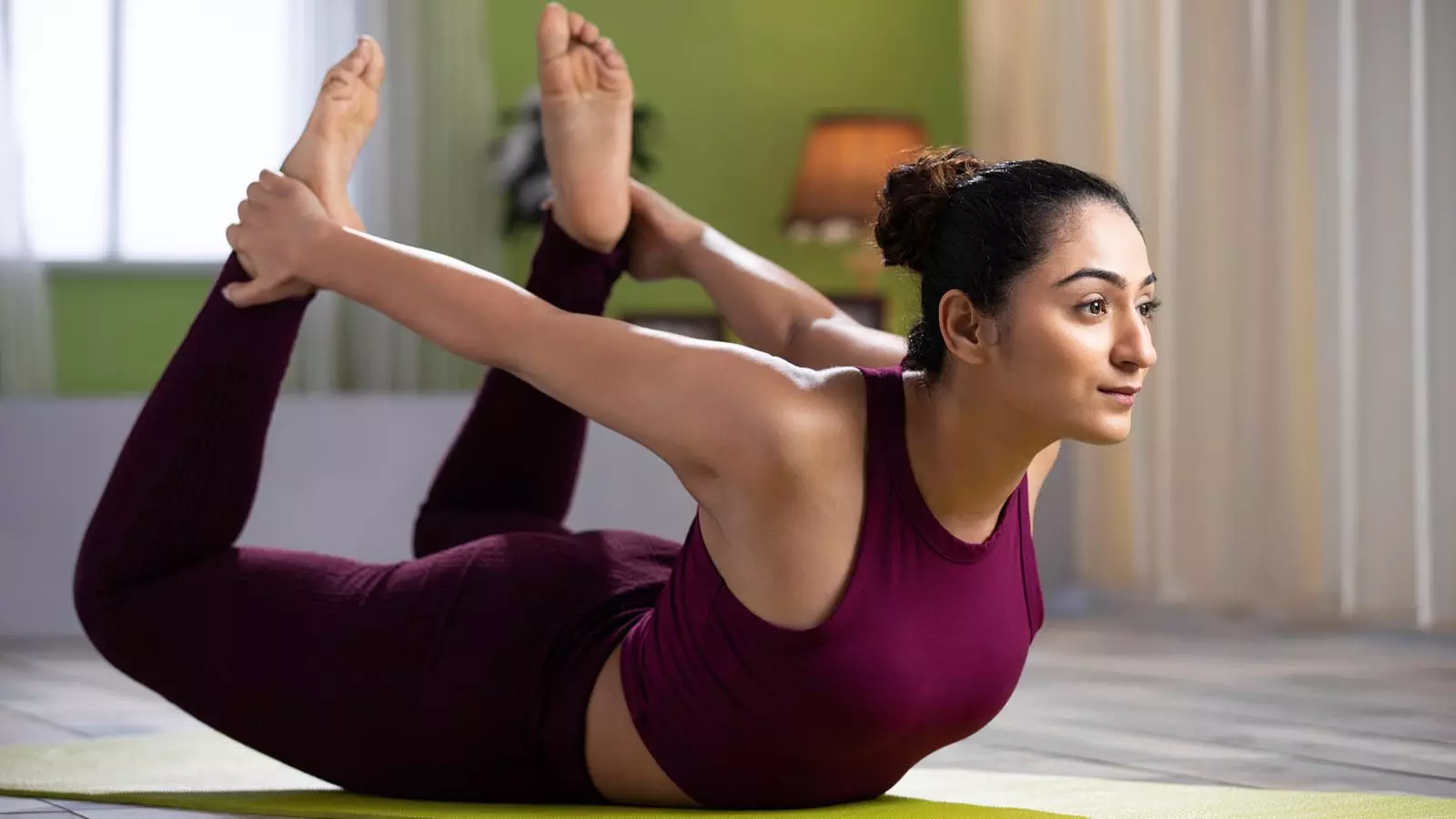
The decision as to who should choose which style is highly individualistic and is done best by trial and error only, says a yoga mentor. Photo: iStock
Hatha to Vinyasa to Iyengar, a guide to finding your ideal yoga practice
Wrong yoga practice can lead to injured muscles and sleepless nights instead of inner peace; here's how to make the right choice ahead of International Yoga Day

The 12th International Yoga Day is round the corner — June 21 — and neighbourhoods are already teeming with banners offering free yoga trials and masterclasses. WhatsApp is overflowing with yoga advice forwards and invitations to join free classes, and display pictures in complex yoga poses.
But, before you blindly jump into the wellness bandwagon, here is a word of caution: Yoga is not a one-size-fits-all practice. If you take up a yoga style that does not suit your body type, your capacity or need, it can easily leave you with a pulled muscle or sleepless nights, instead of inner peace and flexibility.
Also read | 5 simple yoga asanas to keep your kidneys healthy
From high-intensity fitness flows to slow-paced restorative routines to asanas to combat aches and ailments, there are many different styles to choose from. Pick a style tailored to your age and body type, and even your temperament, to get the maximum out of your yoga class.
Your age, body type and temperament matter
Bela Kothari, a Chennai-based former yoga teacher and practitioner told The Federal: “Yoga practices have to be completely tailored to a person, taking into account their age, body type and their physiological goals.
Your body type determines what kind of yoga you should be doing. Usually, yoga teachers assess a person’s capacity, their movements and flexibility. Then they give them practices that suit their body. A yoga teacher will never push any person beyond their capacity.”
Kochi-based Sonal Joshi, who runs a yoga centre called Samarth Yoga Darshan, told The Federal that a person's temperament has to be taken into account, too.
Watch/Read | Aerial Yoga in Chennai: Kids to adults fly to fitness
A person's inherent nature should dictate their practice, said Joshi. "Those with a tamasic personality, characterised by inertia and a laid-back disposition, benefit most from gentle, slow movements that gradually ease them into more vigorous flows. Conversely, highly active, rajasic individuals thrive on intense challenges, such as completing 108 Surya Namaskars," she said.
She emphasised that instructors must carefully assess a practitioner's temperament before prescribing a specific yoga routine.
A layered process
At Chennai's reputed Krishnamachari Yoga Mandiram (KYM), the approach is intensely individualised. "We don't offer a standard protocol; it's a more layered process," Shrilekha V, director, publications and integrated communication, KYM, told The Federal.
"We assess the person, their history, and we provide yoga practices on a one-on-one basis. We go deep into trying to understand a person's lifestyle practices, quality of life, food habits, before offering yoga practices," she added.
Also read: International Yoga Day: How asanas can boost liver, heart, kidney health
KYM is famous for its 50-year-old yoga therapy centre, where therapeutic yoga practices are offered for ailments ranging from musculoskeletal issues to acidity.
Risk of injury
S Sridharan, senior yoga therapist and mentor at KYM, echoes what Shrilekha said. "Every one of us is individually different at various levels — physical, mental and emotional. So, while the tools of yoga, i.e., asana, pranayama and dhyana, are the same, the choice of combination of the tools will differ from person to person," he told The Federal.
He added that the practice of yoga carries the risk of injury if done improperly. So, it's ideal to individualise yoga.
"However, we cannot ignore the various schools or styles of yoga which have been developing over the years. The common thing among all the styles or schools is the ‘protocol’: A set of combination of asanas, pranayamas and dhyanam," Sridharan added.
Different schools of yoga
Before you sign up for a yoga class ahead of June 21, here's a beginner's guide to some of the schools of yoga:
Hatha yoga: Focusses on slow, deliberate postures paired with controlled breathing. This gentle pace makes it an excellent choice for beginners who are keen to build their baseline stamina. The word ‘ha’ means Sun, ‘tha’ means Moon and Hatha means to balance the Sun and Moon energies inside a person.
It is the integration of the mind and body through breath and each asana is taught with breathing, and helps to reduce stress in people pursuing a fast-paced life.
Vinyasa yoga: Vinyasa is basically several postures strung into a flow. You move in and out of poses while linking movements to the breath. This kind of approach strengthens large muscle groups and joints and improves flexibility. The precise sequencing and counter-poses improve coordination and target the deep connective tissues.
This yoga style enhances oxygenation, expands lung capacity, and improves blood circulation. It is perfect for those who want flexibility and strength.
Sivananda yoga: Based strictly on the teachings of Sivananda Saraswati, this style generally focuses on a set sequence called the 12 basic postures, combined heavily with chanting and breathing (pranayama).
Also read: Which age groups practise yoga most? Millennials and Gen X, says study
This school uses a set sequence of 12 foundational postures (like the shoulder stand or headstand) to strengthen muscles, increase joint flexibility, and align the skeletal system. It also emphasises deep, conscious breathing (pranayama) to harmonise the nervous system and increase your daily energy reserves.
Therapeutic yoga: This style involves breathing exercises that help to calm the mind. The movements are precisely coordinated with the breathing.
Kothari, who did therapeutic yoga at KYM in Chennai for her acidity issues, said: "The movements here are done to ratios, for example, you slowly bend forward to the count of five. Ratios are given for breathing depending on a person's capacity."
Iyengar yoga: Largely relies on props like blocks, blankets, and belts to focus heavily on structural and precise anatomical alignment. It is a comprehensive yoga system for people who feel inflexible, obese or need support.
Yin or restorative yoga: It is not traditional yoga but includes specific passive poses (called yin poses) that are held for an extended time, usually 3 to 10 minutes. This allows the deeper, less flexible connective tissues in your body the time to stretch. Rather than strengthening your muscles, as other forms of yoga do, yin yoga is more likely to improve your overall flexibility and range of motion.
Yoga for specific ages
Children and teens: Youth benefit most from play-based Vinyasa or active Hatha. These practices effectively channel their endless energy, correct structural imbalances and posture damage caused by heavy school bags, and build psychological focus to combat modern exam stress.
Women: Women navigating the hormonal shifts of menstruation, pregnancy, or postpartum require tailored care.
Also read | Five most influential Indian yoga masters of the 20th century
Active Vinyasa or Iyengar yoga during non-menstrual phases builds vital bone density and core stability. During menstruation or pregnancy, transitioning to restorative or prenatal yoga helps regulate cortisol, soothe pelvic discomfort, strengthen the pelvic floor, and balance the endocrine system. Exercises like the butterfly posture or the hip opening one help women to relax during menopausal times, said Joshi.
For high-stress-prone men and women: High-pressure desk jobs leave both genders with chronic mental fatigue, tight hamstrings, and compressed shoulders. For deep stress relief, a combination of restorative yin yoga and pranayama is ideal. This combination activates the parasympathetic nervous system, lowers cortisol levels, and relieves the somatic tension that causes insomnia and anxiety.
Seniors: Aligning with this year's focus on healthy ageing, older adults should opt for chair yoga or gentle yoga movements. These highly adaptable variations prioritise spatial balance, gentle joint lubrication, and core stability to drastically reduce the risk of falls without straining the cardiovascular system.
What's ideal?
At the end of the day, "the decision as to who should choose which style is highly individualistic," said Sridharan. "It is done best by trial and error only. Yoga is an ‘experience’ and the style which gives the best experience without causing any injury is ideal."