



DGCA to station personnel at IndiGo headquarters to monitor ops
Aviation watchdog to deploy an oversight team of four officials to track daily cancellations, crew deployment, and passenger refunds after mass disruptions

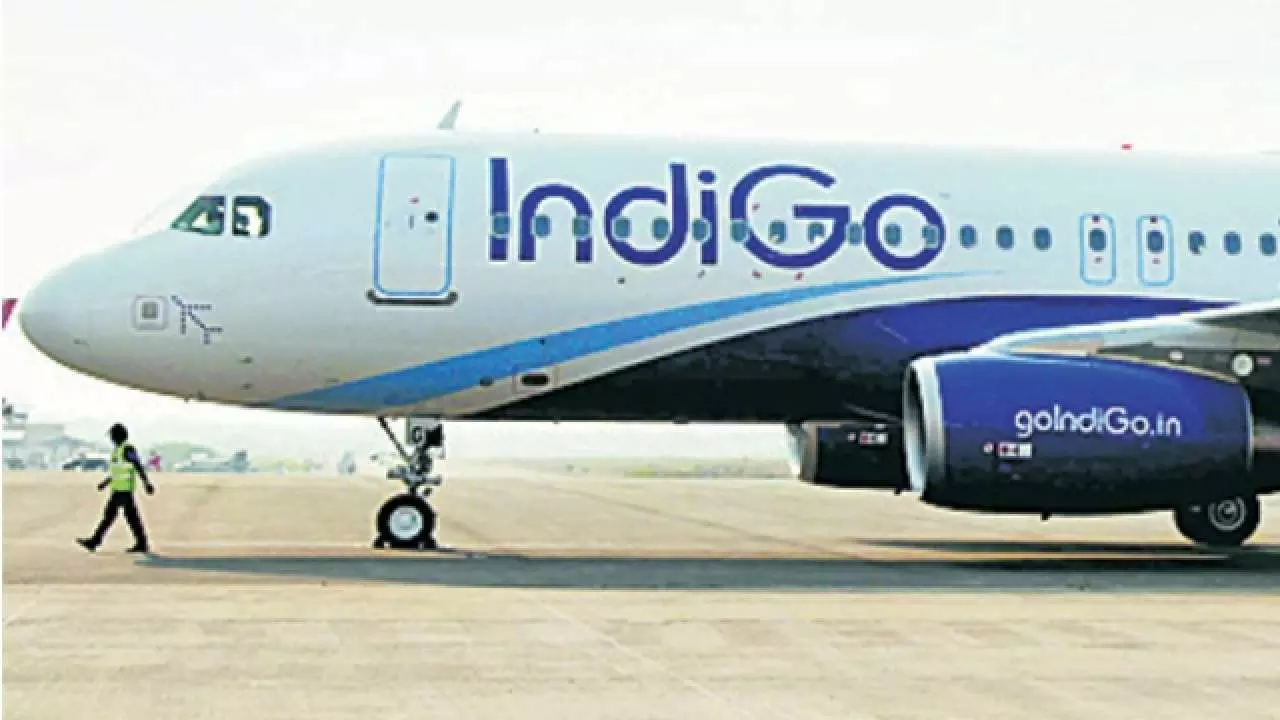
With IndiGo continuing to cancel hundreds of flights every day but claiming to have stabilised operations, aviation watchdog DGCA will station its personnel at IndiGo’s headquarters as it steps up oversight on India’s largest airline.
The Directorate General of Civil Aviation (DGCA) has formed an oversight team of eight senior captains, and two of them, along with two government officials, will be stationed at IndiGo’s Gurgaon headquarters to monitor cancellation status, crew deployment, unplanned leave, and routes hit by staff shortages.
Also read: IndiGo’s extreme market muscle makes it too big to fail or regulate
“Both these teams will submit a daily report,” the DGCA said in the two-page order.
What DGCA officials will do
Senior DGCA officials will carry out immediate on-site inspections to assess IndiGo’s operations across 11 domestic airports, according to an official order on Wednesday.
All assigned officers will visit their respective airports in the next two to three days, and submit a comprehensive report to the Director of Operations for the flight safety department at the DGCA in New Delhi within 24 hours of their visit, the order said.
DGCA also summoned IndiGo Chief Executive Pieter Elbers to appear at its office on Thursday (December 11) and submit a complete report, along with comprehensive data and updates, relating to the recent operational disruptions, according to a statement.
Cancellations continue
Since last week, IndiGo cancelled thousands of flights nationwide after failing to plan for tighter safety regulations. The cancellations peaked on December 5 and have declined since. The airline on Tuesday said its operations have stabilised and were back to normal levels.
But the cancellations continued, with nearly 220 flights at three major airports, including Delhi and Mumbai and Bengaluru, cancelled.
Also read: How will DGCA’s 5 pc fleet-cut order to IndiGo impact fliers, flight sectors?
As part of the winter schedule for 2025-26, the airline had been operating over 2,300 flights per day. However, its status report submitted to DGCA on Wednesday (December 10) shows a drastic reduction in the total number of flights, with only 2,008 and 1,889 flights being accounted for on December 8 and 9, respectively. That is far above the 10 per cent flight cuts the government has asked it to carry out but these are not being shown as cancelled flights.
Civil Aviation Minister Rammohan Naidu has ordered a 10 per cent cut in planned flights of the airline to help match schedule with pilots available.
Court’s question to Centre
The latest DGCA order is part of a suite of actions by authorities that followed IndiGo, which controls over 65 per cent of the market share, cancelling more than 4,000 flights since December 2 that left tens of thousands of passengers stranded, upending their vacation plans, weddings, important meetings, and countless other personal affairs.
Separately, the Delhi High Court on Wednesday questioned the central government for not taking timely action to check the crisis, asking why the situation was allowed to precipitate. “The question is why, at all, this crisis arose and what have you been doing?” a bench of Chief Justice Devendra Kumar Upadhyaya and Justice Tushar Rao Gedela said and directed the government and the airline to take steps to adequately compensate the affected persons.
Also read: IndiGo refunds Rs 1,158 crore for 12.5 lakh cancelled tickets in 19 days
The bench directed that by January 22, the next date of hearing, if the inquiry initiated by a committee into the disruption in flight operations over the past week is complete, its report should be submitted to the court in a sealed cover.
Close watch on airline’s operations
The personnel deployed at IndiGo’s corporate office will monitor “cancellation status (domestic and international), refund status, on time performance, compensation to passengers and baggage return”, the DGCA order said.
The two captains deployed at IndiGo’s corporate office will on a daily basis look into the airline’s total fleet, average stage length, total number of pilots, network details, crew utilisation in hours, all unplanned leaves per day (like sick leave, casual leave and emergency leave), flights per day and available crew, total number of sectors affected on account of crew shortage and standby crew per day per base (cockpit and cabin).
Also read: IndiGo flight cancellations: Delhi HC calls it 'crisis', questions Centre
DGCA said it has been decided to constitute an oversight team “in view of passenger inconvenience caused due to large-scale disruptions in the operations of IndiGo Airlines at various airports across the country”.
Previously, the watchdog issued a show-cause notice to IndiGo’s CEO and COO to explain the disruptions and set up a four-member panel to probe the lapses.
How IndiGo’s business model collapsed
The watchdog has also directed Pieter Elbers to appear at its office on Thursday and submit a complete report, along with comprehensive data and updates, relating to the recent operational disruptions.
According to the regulator’s order, the airline has been asked to present information on the flight restoration, recruitment plan of pilots and crew, with updated position of pilot and cabin crew strength, number of flights cancelled and refunds processed, among others.
Also read: IndiGo cancels 61 Bengaluru flights despite CEO's 'stable' operations claim
For decades, IndiGo relied on aggressive scheduling and max night-flight utilisation—a business model that collapsed when tighter safety regulations came into force, increasing the mandatory weekly rest period for pilots and sharply reducing permissible night-landings and any extended night-duty hours.
The result was catastrophic: on-time performance plunged, hundreds of flights were cancelled daily, and major airports saw chaos with stranded passengers, overloaded terminals, and long queues. The domino effect of that result is what the country saw in the first week of December.
(With agency inputs)