TMC split: The legal gamble behind the rebel MPs' merger with NCPI
By merging with an obscure party, rebel MPs are attempting a risky bypass of anti-defection laws; will tactical manoeuvre secure their seats or end in more chaos?

The Trinamool Congress (TMC) has been fractured in three places, and the rebels are fighting differently in each. In the West Bengal Assembly, TMC supremo Mamata Banerjee lost her own seat. Her camp holds the Leader of Opposition post through Sovandeb Chattopadhyay. But 58 of the party’s 80 MLAs have backed a rival, Ritabrata Banerjee, for the post.
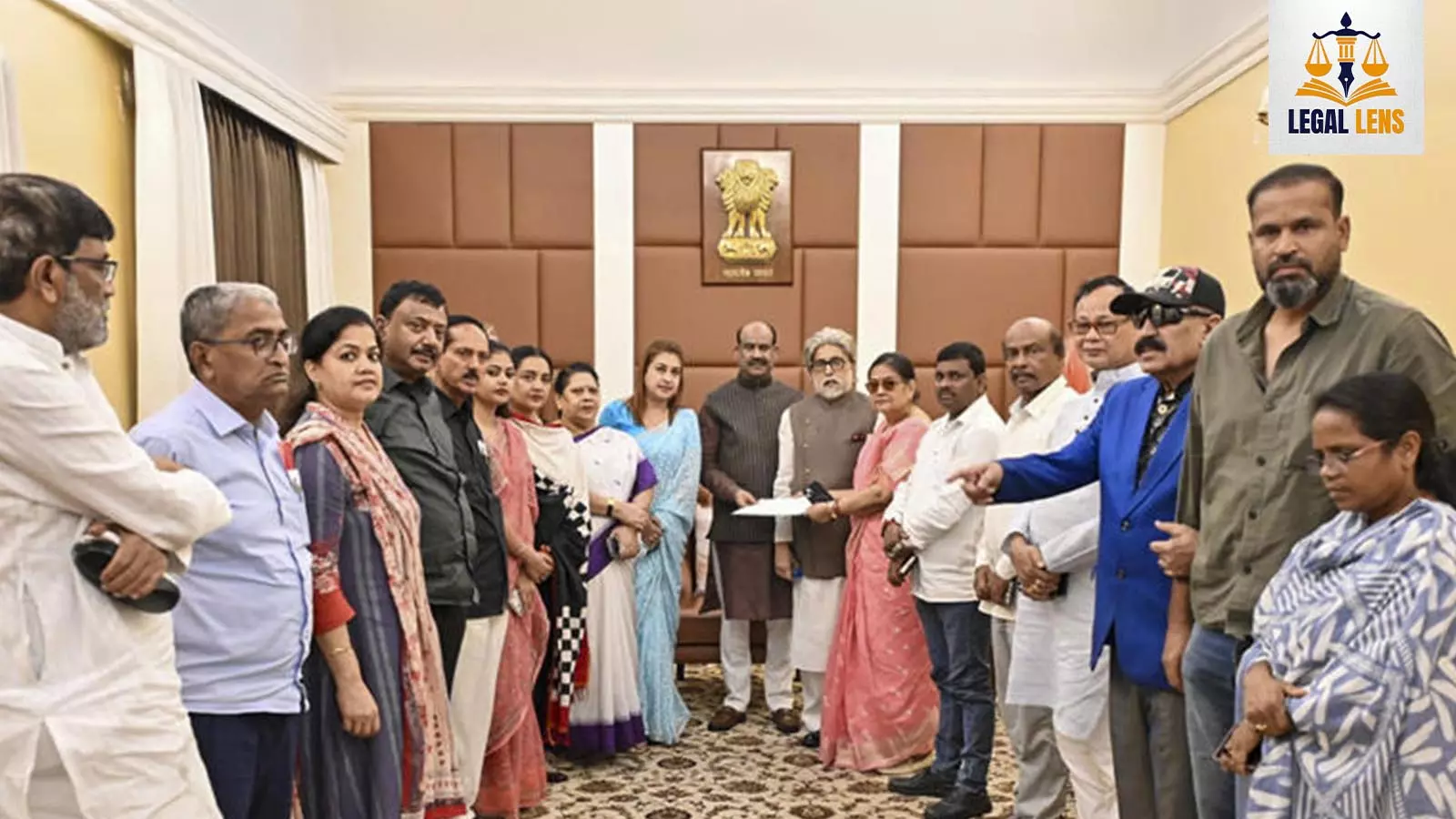
In the Rajya Sabha, two members have resigned, and the picture is unclear so far. In the Lok Sabha, 20 rebel MPs did something unexpected. They did not claim to be the “real” TMC. On June 14, they told Lok Sabha Speaker Om Birla that they had merged with a little-known Tripura-based party, the Nationalist Citizens Party of India (NCPI).
Also read: TMC vs TMC: Lok Sabha Speaker to hear both factions and decide on official recognition
Why didn’t LS rebels claim TMC name?
The choice of route turned on what each set of rebels wanted. The Lok Sabha rebels wanted to cross to the BJP-led government and keep their seats. A merger gives them both a shield from disqualification (under the Anti-Defection Law) and a party that can back the NDA government.
Claiming to be the real TMC would have given them neither.
It would also be a hard fight, because the TMC’s constitution makes the chairperson, Mamata Banerjee, the supreme authority. The rebels have the numbers, but a claim to the party itself runs into that document. So they left the name alone and favoured a merger with the NCPI.
Merger the only safe route
What does the law allow, and what was it for? The anti-defection law, added in 1985, was meant to punish legislators who switch sides after an election. It disqualifies a member who leaves the party on whose ticket he was elected.
Until 2003, a third of a party’s legislators could break away and be treated as a separate group on their own. That split route was abused, so Parliament deleted it.
The direction of the law has been to close escape routes, not widen them. Only the merger route survives. It lets two-thirds escape, but not by declaring themselves a new party. They must merge the party into another party, or into a new one formed by that merger. The escape needs a partner, and that is what NCPI supplies.
Rebels cite HC verdict
That is where the fight begins. The official TMC, led by Mamata, will challenge the merger. Its parliamentary leader, Abhishek Banerjee, has told Speaker Birla that only the legislators of the party have crossed over, not the party organisation. A real merger, he argues, needs the party itself to merge, not just its MPs.
Subhash Desai vs Principal Secretary, Governor of Maharashtra (2023)
This Supreme Court verdict established that when determining which faction represents a party during an internal split, the party’s own constitution and organisational structure take precedence over the simple numerical strength of its legislators.
He leans on the Constitution Bench in Subhash Desai vs Principal Secretary, Governor of Maharashtra (2023). Its verdict held that the political party, not the legislative party, is what counts in such cases.
Also read: TMC rebel MPs join NCPI to back NDA while also skirting legal hurdles
The rebels are not without an argument. They have cited the 2022 verdict of the Goa Bench of the Bombay High Court in the Girish Chodankar vs Speaker case. Its verdict held that a two-thirds merger of the legislature party was enough. It reads the provision so that the legislators’ move is deemed to be the party’s own.
Girish Chodankar vs Speaker, Goa Legislative Assembly (2022)
This High Court ruling suggested that a two-thirds merger of a legislative party could be legally sufficient to bypass anti-defection laws, providing the primary judicial argument currently being used by the rebel MPs to justify their merger with the NCPI.
The court reaffirmed this in 2025, and Birla could lean on it to recognise the NCPI merger. But that reading is contested and is now before the Supreme Court. The objection is that only the MPs crossed over, while the TMC organisation stayed with Mamata.
Untested gamble
On the purpose of the law, the stronger view may appear that the party must merge, instead of just a bloc of its legislators announcing the same. So the rebels’ move is no settled escape. It is an untested gamble on whether a legislators-only merger can count.
It is because the Supreme Court has not stayed the Bombay High Court’s Goa Bench’s ruling in Girish Chodankar case, even while the appeal against it is pending.
Also read: Will Mamata’s TMC follow history? A look at 6 parties that merged with Congress
There is one move the rebels cannot make, whatever happens to the merger. They say they will also go to court as the ‘real’ TMC and claim its symbol. They cannot have it both ways.
If they have merged with the NCPI, the law now counts them as NCPI members, which sinks any claim to the TMC name. The symbol is decided by the Election Commission, not the Speaker, and it goes to whichever is the real Trinamool Congress.
Thus, legislators who have just become NCPI members cannot claim to be members of the ‘real’ TMC. So the rebels need the merger to be real to escape disqualification. Both cannot be true at once.
Party constitution holds key
The Assembly tells a different story of rebellion. There, the rebels have not merged with any party, unlike their Lok Sabha counterparts. Instead, they are trying to replace Sovandeb Chattopadhyay as the Leader of the Opposition with their own representative.
Subhash Desai, in the argument of his case, emphasised that the party’s own constitution was the first guide to who controls the outfit, with numbers being a key factor. The case stemmed from political instability in Maharashtra, where the Shiv Sena under by Uddhav Thackeray faced an internal rebellion led by Eknath Shinde in 2022.
Also read: Despite NCPI merger, rebel MPs' fight over TMC identity is far from over
In the Shiv Sena case, the party’s constitution was vague. So the Maharashtra Speaker Rahul Narwekar fell back on legislative majority and crowned the bigger faction (the one led by Shinde) the real Shiv Sena. This is how the abolished split returns through the back door. The old law allowed a third of the party to break away. Now, a simple majority can capture the party itself, once the constitution and leadership prove too soft to decide.
The TMC’s constitution is not vague. It makes Mamata supreme. The same approach, applied here, points to her, not to the larger faction. So the judgment that helped the Shinde group would, on the TMC’s clearer rulebook, work against the rebels.
Symbol eludes Assembly rebels too
So how are the Assembly rebels hopeful? Not by winning the question of who is the real TMC, which the clear party constitution would lose for them. Their hope is narrower.
The Leader of the Opposition can be recognised on numbers alone, as the head of the larger group. That needs no ruling on who owns the party. And the Speaker who decides is Rathindra Bose, a BJP member, in a House the BJP now controls.
The rebels are betting on his discretion and their numbers, not on the party constitution. They want the Shinde result without the vague rulebook of the party constitution that justified it. What the clear rulebook still denies them, in both Houses, is the claim to be the Trinamool itself. That is why the symbol, and not the seats, is the prize that will elude them.
Also read: TMC’s double coup and Mamata’s silence: Martyrs’ Day will be her last test
All eyes on Lok Sabha Speaker
Why take the risk at all? The gain is political. A merger with the BJP would have carried the stigma of changing sides outright. A merger with a small, unknown party carries none, yet still lets the rebels back the government and keep their seats.
The first call is Birla’s. He has said he will verify the 20 signatures before deciding, and the battle in the courts will follow. The rebels may yet prevail, on a friendly Speaker and a contested reading. But only their MPs crossed over, not the party itself.
And the party they claim to be theirs is one that the TMC constitution gives to Mamata. A law meant to punish defection should not reward it through a borrowed name. Whether it does or not will decide more than the future of 20 MPs.