TMC rebel MPs join NCPI to back NDA while also skirting legal hurdles
19 dissident lawmakers move to Bengali-oriented Tripura-based party ahead of Monsoon Session, claiming they wish to secure Central funds for constituencies

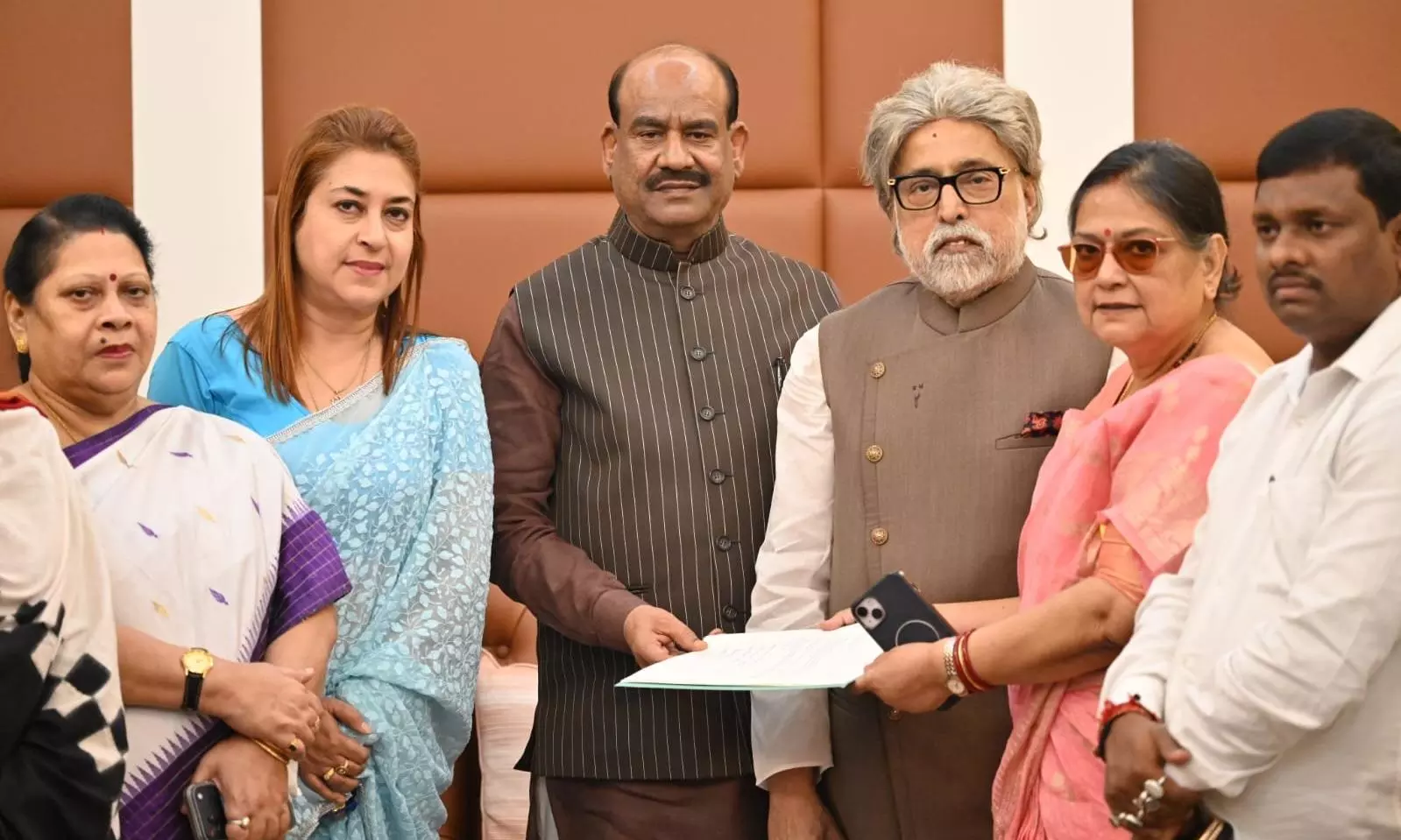
Days of speculation over the future of a rebel bloc within the Trinamool Congress (TMC) and competing claims over the party's parliamentary identity took a dramatic turn on Sunday (June 14). Nineteen dissident lawmakers informed Lok Sabha Speaker Om Birla that they would join the Nationalist Citizens Party of India (NCPI), a Tripura-based party.
The move set to rest the speculation about whether the rebels would seek recognition as the "real" TMC, or attempt to form a separate parliamentary faction to back the BJP-led National Democratic Alliance (NDA).
Speaking to reporters after meeting the Speaker, rebel MP Kakoli Ghosh Dastidar said 20 lawmakers would join the NCPI and support the NDA.
Intense talks and activity
Today's decision followed a day of intense political activity in New Delhi. Earlier, the rebel lawmakers held discussions at the residence of Union Minister Bhupender Yadav, where they deliberated on their future course of action amid growing questions over their status in the parliament.
Also read | TMC pushed to the brink in LS as veteran MP Sudip Bandyopadhyay joins rebels
The lawmakers ultimately opted to join the NCPI, a relatively new political party based in Tripura, rather than seek recognition as a separate faction within the TMC.
The move appeared to be taken to avoid potential legal complications that could have arisen had the group attempted to claim the identity of the "real" TMC or sought recognition as an independent parliamentary bloc.
Legal precedents
Earlier in the day, TMC leaders Kirti Azad and Sagarika Ghose met Speaker Birla and submitted a letter from party’s leader in the Lok Sabha Abhishek Banerjee arguing that the TMC remained an indivisible party and that any attempt to form a separate group within parliament would be unconstitutional.
According to statements released by the TMC, the party cited Supreme Court rulings while urging the Speaker to act within the constitutional framework.
"In the Supreme Court's Constitution Bench it is clearly mentioned that a split cannot take place," Azad said. "The judgment in connection with Maharashtra clearly mentions that it is illegal."
Ghose said the Constitution did not permit lawmakers to create a separate parliamentary group by breaking away from an existing political party. "We have given a letter to the Lok Sabha Speaker that TMC is an indivisible party. You cannot form a separate group within the Lok Sabha," she said in a statement released by the party
More sustainable option
Political observers said the intervention by the TMC leadership highlighted the legal and procedural hurdles that the rebel lawmakers could have faced had they attempted to seek recognition as a breakaway faction.
Also read: As TMC crumbles, what's next for Mamata and the state forces she fought over the years?
Sources close to the rebel camp said the decision to join an existing registered political party was viewed as a more legally sustainable option ahead of Parliament's upcoming monsoon session.
The rebels have argued that aligning themselves with the BJP-led coalition at the Centre would help secure development projects and central assistance for their constituencies.
"We have taken this decision for the development of our areas. We want to be part of the double-engine government," rebel MP Khalilur Rahaman of Jangipur told The Federal.
Limited presence of NCPI
Founded in 2023, the NCPI is a Bengali-oriented regional party registered in Tripura. The party has so far maintained a limited presence in Tripura and parts of neighbouring Assam, where it has sought to position itself as a platform representing Bengali-speaking communities.
Political sources said the NCPI maintains friendly relations with the NDA while retaining a separate organisational identity, making it an attractive option for the rebel TMC lawmakers who wanted to avoid a direct merger with the BJP.