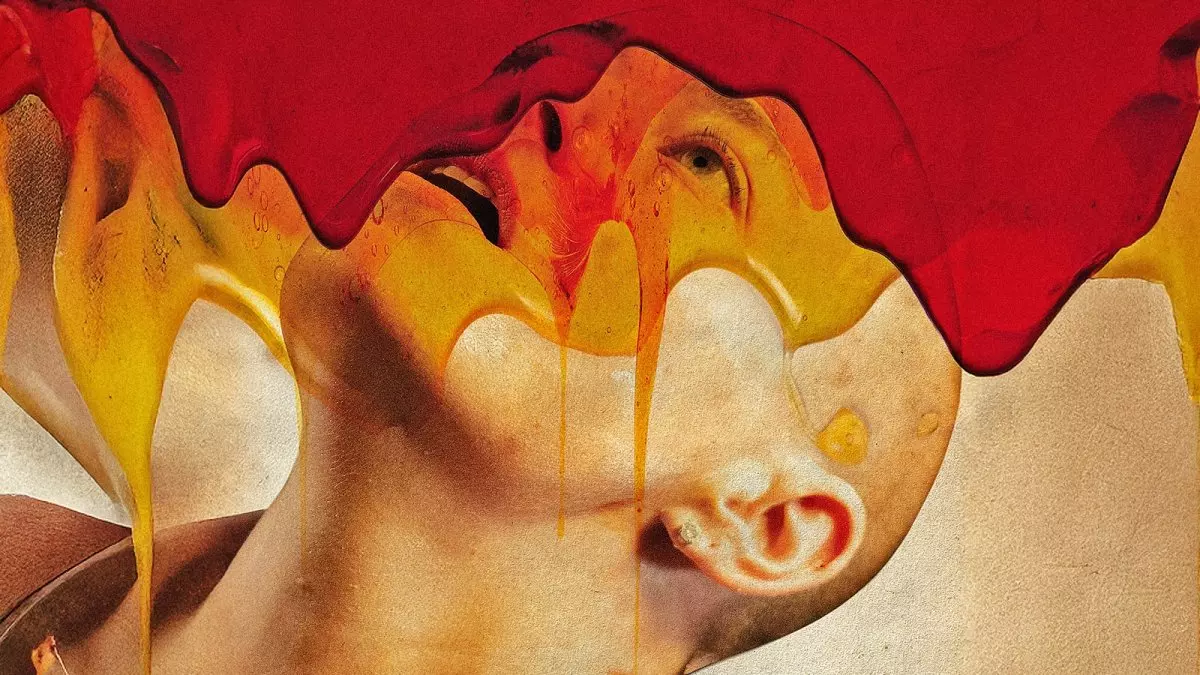
Like many of Yorgos Lanthimos’s films, Bugonia thrives on discomfort and ambiguity.
Bugonia won no Oscars, but expertly examines the fragile boundary between reason and paranoia
Greek filmmaker Yorgos Lanthimos’s English remake of the 2003 Korean film Save The Planet received four nominations at this year’s Oscars, but didn't win in any category. What lingers after the film ends is its reflection on the nature of belief.

Greek filmmaker Yorgos Lanthimos is known for creating unsettling cinematic worlds where human behaviour appears slightly distorted, stripped of its familiar rhythms and conventions. His films often explore power, control and emotional detachment through narratives that feel both absurd and deeply unsettling. In Bugonia — an English remake of the 2003 Korean film Save The Planet, which received four nominations at this year’s Oscars including for Best Picture and Actress but won none — Lanthimos returns to these themes, building a strange and uneasy story that begins like a darkly comic thriller and gradually expands into a reflection on belief, paranoia and the fragility of reality.
The film follows Teddy, played by Jesse Plemons, a man who has immersed himself in conspiracy theories about hidden forces controlling the world. Teddy becomes convinced that Michelle Fuller, a powerful corporate executive portrayed by Emma Stone, is not human but an alien infiltrator who has come to Earth with destructive intentions. Acting on this conviction, he kidnaps her with the help of a younger accomplice and holds her captive in a basement, determined to force her to reveal her true identity.
Much of the film unfolds within this confined space, which gives the narrative a tense and intimate atmosphere. The basement becomes the setting for a psychological confrontation between Teddy and Michelle. Teddy approaches the situation with remarkable calm and certainty. He is not portrayed as someone visibly unstable but as a man who believes he is carrying out a necessary mission. This quiet conviction makes his actions far more unsettling than outright madness would.
Also read: How Joachim Trier’s Sentimental Value weaves poetry through small moments and fragile conversations
Emma Stone’s Michelle remains difficult to read throughout the film. She shifts between defiance, composure and moments of visible fear, never allowing the audience to fully understand what she is thinking. Lanthimos deliberately sustains this ambiguity, making the viewer question whether Michelle is simply the victim of Teddy’s delusion or whether something more complicated might be unfolding beneath the surface.
The visual composition is sparse and carefully controlled, with scenes that feel almost clinical in their stillness. Dialogue is delivered in a restrained, often awkward rhythm that produces moments of unexpected humour. Even scenes of violence or emotional confrontation are staged with a kind of detached precision. This approach creates a tone where the absurd and the disturbing exist side by side.
The belief about bees
The title of the film offers a clue to its deeper concerns. Bugonia refers to an ancient belief that bees could spontaneously emerge from the bodies of dead animals. Within the context of the film, the idea becomes a metaphor for how strange beliefs and narratives can take shape in times of uncertainty. Teddy’s theory about alien infiltration may appear ridiculous, yet it grows from anxieties that feel recognisable in the modern world. Fear of powerful institutions, environmental collapse and hidden conspiracies form the background to his thinking.
As the narrative progresses, the film begins to complicate the viewer’s assumptions. What initially appears to be a straightforward story about delusion and captivity slowly becomes more ambiguous. Lanthimos resists providing clear explanations, allowing doubt to grow around both Teddy’s accusations and Michelle’s responses. The film’s later moments push this uncertainty further, leaving the audience unsure about where truth ends and paranoia begins.
Also read: How Oscar-winner Jessie Buckley draws Shakespeare’s wife out of the shadows in Hamnet
The performances play a central role in sustaining this tension. Jesse Plemons gives Teddy a quiet intensity that makes the character disturbingly believable. His calm manner and unwavering logic create the sense of a man who is fully convinced of his own mission. Emma Stone, in contrast, maintains a controlled and enigmatic presence that keeps the viewer constantly reassessing Michelle’s position within the story.
What ultimately lingers after the film ends is its reflection on the nature of belief. In an age shaped by misinformation, distrust and fragmented realities, Teddy’s certainty begins to feel less like an isolated delusion and more like an exaggerated version of contemporary anxieties. The film suggests that once a narrative takes hold in the mind, it can become almost impossible to dismantle.
Bugonia does not offer easy answers or a clear moral resolution. Like many of Lanthimos’s films, it thrives on discomfort and ambiguity. It leaves the viewer with an unsettling question about how easily belief can reshape perception, and how fragile the boundary between reason and paranoia can be.