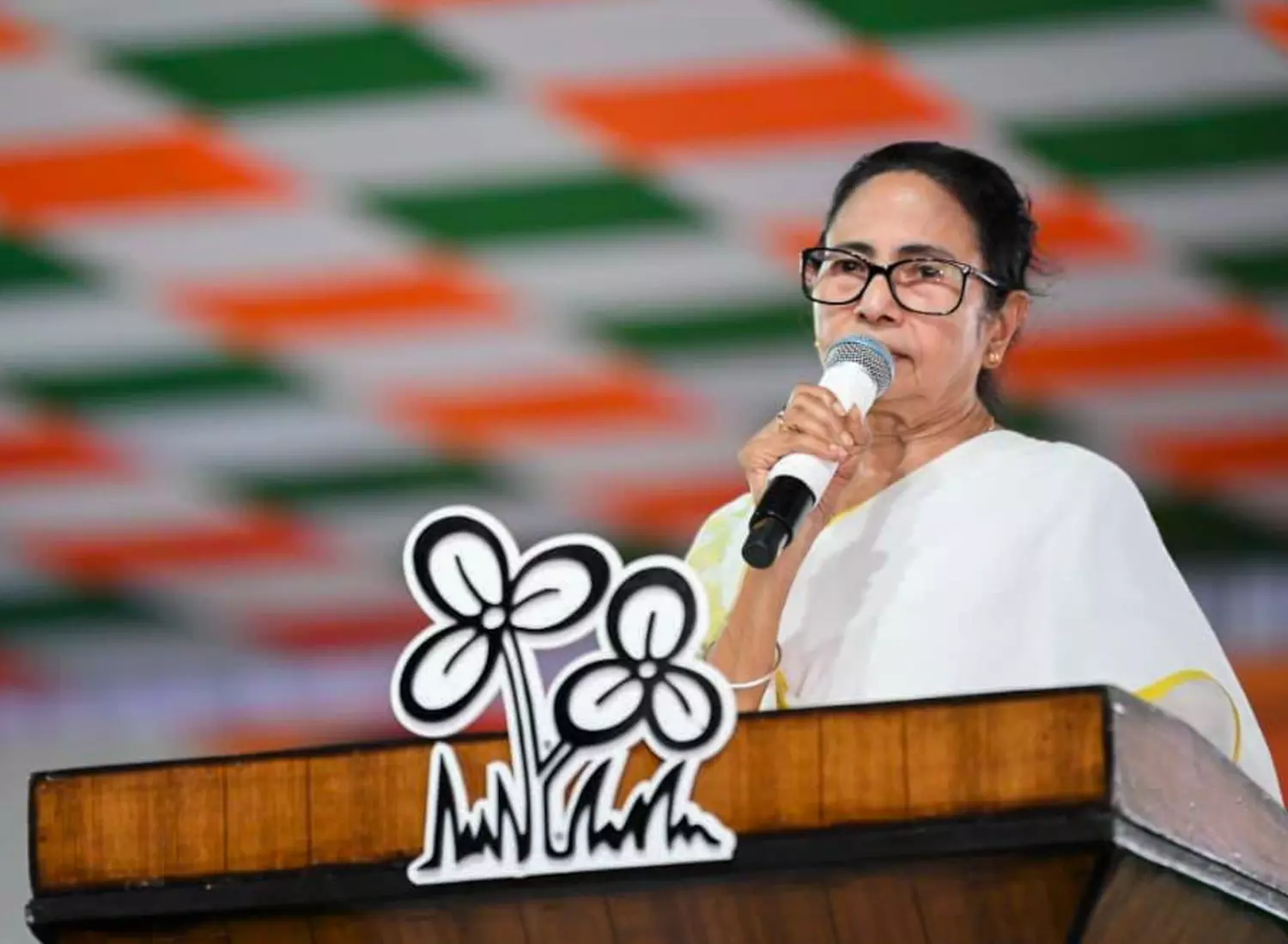
TMC packs a punch with new faces, ticket reshuffle, and social coalition boost
CM Mamata Banerjee reshuffles incumbents, strengthens social coalition, and aims to neutralise anti-incumbency while challenging BJP’s strongholds in Bengal

The Trinamool Congress (TMC) on Tuesday (March 17) named candidates for 291 of West Bengal’s 294 seats, signalling a push to counter anti-incumbency, reinforce its social coalition, and field a surprise pick in Nandigram.
The state’s ruling party has fielded Pabitra Kar, a former close aide of opposition leader Suvendu Adhikari, in Nandigram, a constituency that saw one of the closest contests in 2021 when the BJP leader defeated Chief Minister Mamata Banerjee.
Also read | TMC under pressure as welfare politics meets voter frustration in Bengal
The BJP has again fielded Adhikari from Nandigram, apart from pitting him against Banerjee in her home turf of Bhowanipore in southern Kolkata.
TMC’s strategic Nandigram play
Kar’s nomination marks a calculated “poach and counter” strategy. He had defected to the BJP with Adhikari ahead of the 2021 polls and served as one of his election agents, playing a key role in booth-level management and mobilising Hindu voters in the constituency.
Naming him as its candidate just hours after he rejoined the TMC highlights the party’s attempt to leverage insider knowledge of Adhikari’s political machinery.
Nandigram’s electoral arithmetic also makes the move significant, according to TMC insiders. The constituency is estimated to have a Hindu voter base of around 65 to 70 per cent, with Muslims accounting for roughly 30 to 35 per cent. The BJP’s victory in the last Assembly election was attributed to a consolidation of Hindu votes, in which Kar reportedly played a pivotal role.
By fielding him, the TMC appears to be aiming to disrupt that consolidation while retaining its traditional minority support. The move could also help the party deepen divisions within the BJP’s local unit and tie down Adhikari, a key campaigner and potential chief ministerial face.
Bhawanipore face-off, candidate rejig
While Nandigram remains an interesting battle, the political spotlight has shifted to Bhowanipore, where Banerjee will once again be in the electoral fray. The BJP has fielded Adhikari against her, setting up a direct clash between two of Bengal’s most prominent leaders in a constituency that has been Banerjee’s stronghold.
The candidate list also reflects TMC’s attempt to counter anti-incumbency after over a decade in power.
The party has denied tickets to 74 sitting legislators, roughly one-third of its incumbents, including several prominent names and even senior leaders who have held ministerial positions.
Party insiders say the move is aimed at neutralising local-level dissatisfaction. In addition, 15 sitting MLAs have been shifted to new constituencies.
The reshuffle suggests a seat-by-seat assessment of winnability carried out over months by the I-PAC, the TMC’s election strategist, which has been closely involved in data-driven campaign planning and candidate selection.
TMC consolidates social coalition
At the same time, the TMC has sought to reinforce its social coalition. Women candidates account for 52 of those fielded, up from 50 in the previous election.
Minority representation has also increased to 47 from 42 in 2021, a sign of the party’s continued reliance on this key vote base.
Significantly, the party has fielded 95 candidates from Scheduled Castes and Scheduled Tribes (78 SC and 17 ST), exceeding the 84 seats reserved for these groups.
Also read | Bengal elections: SIR row, two-phase polling dominate debate | AI With Sanket
“This is clearly an effort to consolidate support among marginalised communities amid growing competition from the BJP in these segments,” said political commentator Amal Sarkar.
The list also reflects generational balancing. Around 44 per cent of candidates fall in the 31-50 age group, alongside younger entrants and veteran leaders, as the party seeks to blend continuity with regeneration. “We are the only party that has its second generation ready,” Banerjee said while announcing the list.
The party left three hill constituencies to ally Anit Thapa’s Bharatiya Gorkha Prajatantrik Morcha, which will contest in Darjeeling, Kalimpong and Kurseong.