- Home
- India
- World
- Premium
- THE FEDERAL SPECIAL
- States
- Perspective
- Videos
- Sports
- Education
- Entertainment
- Elections
- Features
- Health
- Business
- Series
- In memoriam: Sheikh Mujibur Rahman
- Bishnoi's Men
- NEET TANGLE
- Economy Series
- Earth Day
- Kashmir’s Frozen Turbulence
- India@75
- The legend of Ramjanmabhoomi
- Liberalisation@30
- How to tame a dragon
- Celebrating biodiversity
- Farm Matters
- 50 days of solitude
- Bringing Migrants Home
- Budget 2020
- Jharkhand Votes
- The Federal Investigates
- The Federal Impact
- Vanishing Sand
- Gandhi @ 150
- Andhra Today
- Field report
- Operation Gulmarg
- Pandemic @1 Mn in India
- The Federal Year-End
- The Zero Year
- Science
- Brand studio
- Newsletter

Why activists have little hope of war and Ayatollah’s death bringing change for women in Iran
The assassination of Iran's supreme leader, Ayatollah Ali Khamenei, last month led some to maintain that a new democratic regime will come in, leading to more liberal laws for women. But now, Khamenei’s son, Mojtaba Khamenei, has succeeded him and he seems unlikely to have different views on women's issues.

“We in the Middle East, particularly those of us living in Iran and Afghanistan, do not learn about the importance of freedom, democracy and human rights from theories in textbooks, but through our personal experience of oppression and discrimination. We have come to understand the importance of these concepts, and have risen up against their violators and adversaries, because from...
“We in the Middle East, particularly those of us living in Iran and Afghanistan, do not learn about the importance of freedom, democracy and human rights from theories in textbooks, but through our personal experience of oppression and discrimination. We have come to understand the importance of these concepts, and have risen up against their violators and adversaries, because from childhood, in our daily lives, we have faced oppression, open and subtle violence, harassment and discrimination by authoritarian governments.”
This is an extract from a letter written by Iranian Nobel Laureate Narges Mohammadi to the Norwegian Nobel Committee, which conferred the award to her in 2023 for her relentless activism against the rights of Iranian women. Mohammadi was languishing in the Evin Prison of Tehran at the time she was awarded the Nobel, and the letter was written from there in October 2023.
A resident of Mashhad, Iran’s second-largest city, 53-year-old Mohammadi, has been placed under detention several times. She was last apprehended in December 2025 and since then, has been behind bars. Last month, she was given a prison sentence of seven-and-a-half years by an Iranian court.
The ongoing war in Iran, which saw the assassination of Iran's supreme leader, Ayatollah Ali Khamenei, in a joint military campaign by the US and Israel last month, led many analysts and those who watch the country closely to maintain that a new democratic regime will be put in place, leading to more liberal laws for women.
But now, Khamenei’s son Mojtaba Khamenei has succeeded him and it seems unlikely that he will take the road to reform. In fact, the Iranian government has now ordered a countrywide internet shutdown, making matters worse, especially for the women living in the country.
“There's very little that's known about him [Mojtaba Khamenei]. He hasn't been a very public figure. Those who had been associated with him in the past were among some of the most hard-minded. For women, I think about it in terms of civil society that pushes for women's rights, I don't see a better future… Certainly there will be pushback against women's rights and the hard gains that women have made as a result of the 'women, life, freedom movement' in the days to come,” Sussan Tahmasebi, executive director of Femena, a Washington, D.C.-based organisation dedicated to supporting women human rights defenders (WHRDs), and an Iranian women’s rights activist, tells The Federal.
Also read: Why Iran's strike on Israel’s Haifa has reminded some in Mysore of a battle over 100 years old
In the past, Mohammadi’s detention has been severely criticised by other countries as she did her activism in a peaceful manner. The latest verdict on her, too, drew sharp criticism from the European Union, which said, “Iran is bound by its obligations under international human rights law, including the International Covenant on Civil and Political Rights, to respect freedom of expression, association and peaceful assembly.”
Mohammadi’s incident became one of the most controversial cases on Iranian women after the Mahsa Amini incident that shook Iran to its core. Amini, a 22-year-old Iranian Kurdish woman, had died in Iranian police custody on September 16, 2022, triggering widespread protests in the country. Detained by Iran’s Guidance Patrol for allegedly violating hijab rules, her death ignited major anti-government demonstrations centred on women's rights, demanding accountability and an end to mandatory veiling laws.
Amini died after allegedly being tortured by morality police in Tehran, sparking international outcry and calls for independent investigations. Her death sparked the "Woman, Life, Freedom" movement, leading to months of nationwide protests and significant clashes with security forces. Human rights organisations, including Amnesty International and Human Rights Watch, had condemned her death and demanded justice. Amini's death became a global symbol of resistance against oppression and the struggle for women's rights in Iran, causing prominent international debate on mandatory veiling and human rights.
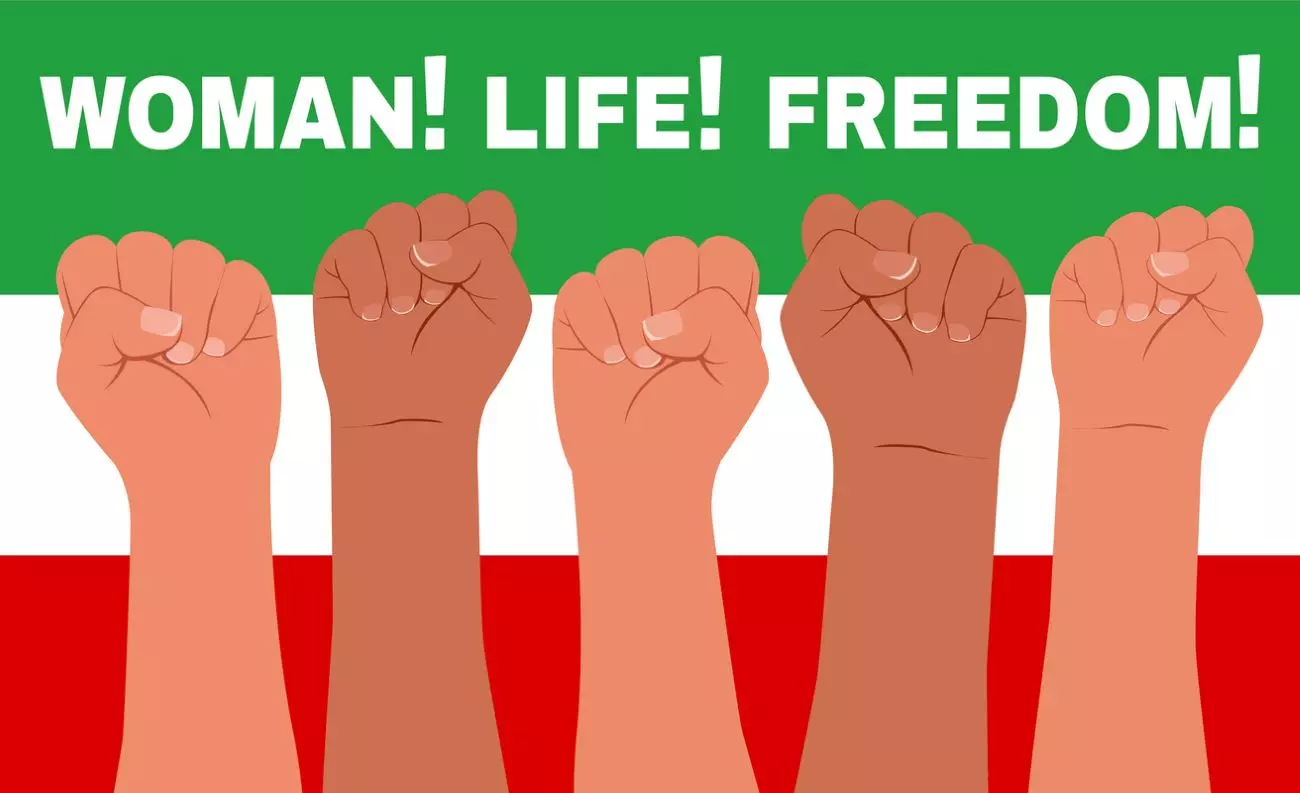
While authorities have intensified technological and legal surveillance, women continue to challenge these boundaries, most notably through the ongoing "Woman, Life, Freedom" movement. Photo: iStock
Horrific tales of Iranian women in prisons have become crucial case studies around the world, consistently showing the clerical rule under the Ayatollahs in Iran in poor light. The clerical rule in Iran began with the 1979 Iranian Revolution, which replaced the secular monarchy of Shah Mohammad Reza Pahlavi with an Islamic Republic.
Like Mohammadi, Reyhaneh Tabatabaei — an Iranian reformist journalist and political activist — has been repeatedly imprisoned in the Evin Prison for her work and advocacy. She is now widely recognised as a symbol of the ongoing legal and political persecution of journalists in Iran. International organisations like the International Federation of Journalists (IFJ) and the Gulf Centre for Human Rights (GCHR) have consistently called for the dropping of all charges against her.
Women’s rights in Iran remain severely restricted, characterised by a dual reality of systemic legal discrimination and persistent civil defiance. While authorities have intensified technological and legal surveillance, women continue to challenge these boundaries, most notably through the ongoing "Woman, Life, Freedom" movement.
The mandatory dress code is the most visible point of conflict between the state and Iranian women.
A new ‘Hijab and Chastity Law’, which introduces severe penalties including heavy fines, travel bans, and up to 15 years in prison, was reportedly passed in 2024, but its execution was paused owing to significant public and international backlash. Despite the pause on the new legislation, the original mandatory hijab law remains in effect. Authorities have shifted toward "smart" enforcement using AI-guided surveillance cameras and facial recognition to identify unveiled women, followed by threatening SMS messages, car impoundment, and business closures.
However, despite this, women in major cities like Tehran continue to openly flout these rules, walking in public without headscarves as a form of “quiet revolution”. In an October 2025 report, the Centre for Human Rights in Iran (CHRI) stated, “The battle over the mandatory hijab in Iran is far from over. Despite the stream of videos showing women walking unveiled on the streets, this defiance does not signal freedom — it reflects enduring, and often costly resistance to the state’s repressive domination of women.”
“Women in Iran are still being surveilled, fined, and jailed for exercising their fundamental right to freedom of expression and their right to peacefully refuse adherence to deeply discriminatory laws,” Bahar Ghandehari, director of advocacy at CHRI, had said at the time.
“The Iranian authorities may be refraining — at least for now — from overt and violent public crackdowns on women for ‘improper hijab’, but they have in no way relinquished their fight against women’s freedom. They have only changed their tactics,” Ghandehari added.
Earlier this month, even as the war raged on, the Iranian women’s national football team became the centre of a major international incident following their participation in the AFC Women’s Asian Cup in Australia.
During their opening match against South Korea on 2 March 2026, the squad refused to sing the Iranian national anthem. This silent protest was viewed as a show of solidarity with domestic anti-government movements. In response, the Iranian state media and conservative commentators branded the players “wartime traitors” with some officials calling for harsh punishments, including the death penalty, upon their return.
Fearing for their safety, multiple members of the delegation sought protection from the Australian government. These included high-profile players, including Zahra Ghanbari, the team’s captain, Fatemeh Pasandideh, Zahra Sarbali, Atefeh Ramazanzadeh, and Mona Hamoudi, who were initially reported to have left the team camp to seek refuge. However, on March 15, the entire team, including Ghanbari, returned to Iran.
Also read: Why a look back at the ‘Me Too’ movement elicits mixed reactions in women
While many narratives highlight the oppression and victimhood of women under clerical rule, another segment of women has emerged as resilient achievers. These women have adapted to the prevailing policies and have made significant strides in various fields, showcasing their strength and capability despite the obstacles they face.
An average Iranian woman often pursues education well beyond high school, with many achieving at least a postgraduate degree. Among them are numerous proud holders of PhDs in fields such as science and mathematics, showcasing their intellectual capabilities.
These women not only excel academically but also lead vibrant lives; they confidently drive their own cars, frequent shopping malls and savour moments of personal relaxation – their very own "me time". In various social settings, they enjoy dining at roadside cafés, engaging in lively conversations, and even dating in public spaces, comfortably expressing their individuality and independence. They play an array of influential roles in society, serving as professors in universities, leaders in their communities, courageous fire-fighters, and skilled pilots, among others.
What’s noteworthy is that they seamlessly embrace these roles while proudly wearing their headscarves, which reflect their cultural identity. Their lives challenge stereotypes, embodying empowerment and determination. This demonstrates that Iranian women are multifaceted, active participants in society, and far from being submissive.
In November 2025, for the first time in Iran’s history, a female conductor, Paniz Faryousefi, was appointed for the country’s oldest and largest symphony orchestra. Faryousefi has described her appointment as a “sign of confidence and support” for women in the Iranian classical music segment.
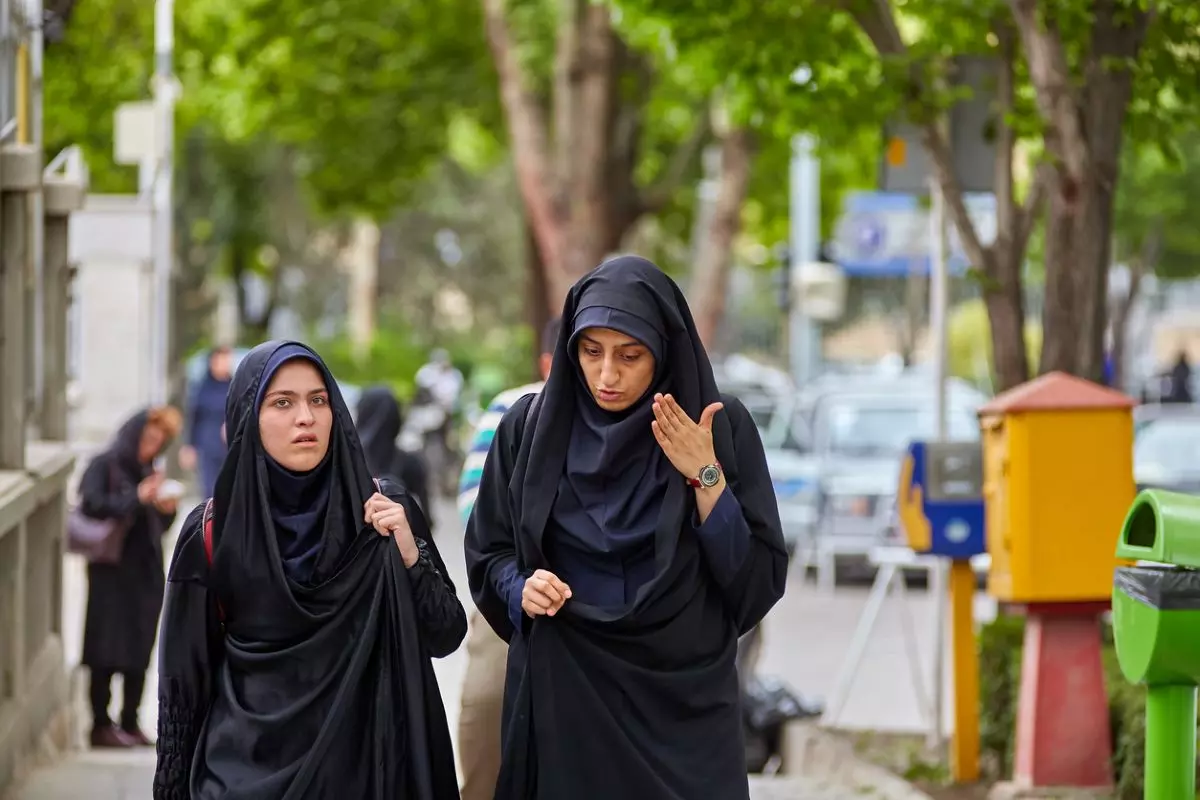
While many narratives highlight the oppression of women under clerical rule, a segment of women has emerged as resilient achievers, making strides in various fields and showcasing their strength and capability, despite the obstacles. Photo: iStock
“Iranian women are well-educated, cosmopolitan, and conduct their lives with great dignity. Unlike women in some other Islamic countries, Iranian women are rarely seen cowering under the influence of men or strictly adhering to their dictates. They are not as oppressed as is often portrayed by the West. While there is resistance regarding the headscarf and dress code in general, similar issues are found in many Islamic countries,” Nirupama Menon Rao, former foreign secretary, tells The Federal.
Rao, former Ambassador of India to the United States, adds, “Certainly, in a nation rich in tradition and vibrancy, some degree of resistance exists, as evidenced by the case of Mahsa Amini, which is unfortunate. However, it's also noteworthy that Iran's oldest and largest symphony orchestra has appointed a female conductor, indicating that the Ayatollah supports such artistic expression and encourages women's involvement in it.”
“The ongoing conflict has undoubtedly made daily life more challenging for Iranian women, just as it is for women living in any other war zone,” she further adds.
Feminism in Iran is evolving in a vibrant and intriguing manner. Women are stepping into leadership roles, confidently expressing themselves in English and pursuing higher education at prestigious universities across the United States, even as they carry the feeling of resistance in their daily lives.
Their approach to traditional attire is both innovative and stylish; they have transformed the hijab into a fashionable statement, often pairing it with elegantly designed abayas. These outfits are adorned with a striking palette, featuring both contrasting colours and harmonious tones that enhance their individuality. To complete their sophisticated look, many opt for luxurious leather boots or chic, sleek stilettos, effortlessly merging tradition with contemporary fashion.
“I am out on the roads every day now covering the ongoing war. This is an illegal war that America waged on us and betrayed Iran, just as it did when (former) President (Jimmy) Carter gave refuge to the Shah and forever created problems for this country … This war has now become part of our daily lives. Women of Iran are known for their resistance and struggle; they have been living a life of dignity and honour despite many restrictions. Now, with the onset of the war, all we can think of is surviving another day,” a woman journalist from Mashhad, Iran, who does not want to be named, tells The Federal over a social media platform by using VPN.
Recent events in early March 2026 show strong emotional and religious links between Kashmiri women and Iran, marked by widespread protests by women in Kashmir following the death of Iranian Supreme Leader Ayatollah Ali Khamenei. These connections are deeply rooted in religious, cultural, and political sentiments, particularly among the Shia community in Kashmir.
According to Dr. Muslim Jan, former head (Public Relations Centre), Kashmir University, “Every country has its own internal problems, so Iran is not an exception in that situation. Iranian women, in general, are very resilient, very strong and forward looking. Following religion and Hijab does not hinder and undermine anybody’s intelligence, knowledge, academic or scientific ability, and women of Iran have proved that time and again in every field.”
Also read: How women’s unpaid labour, the foundation of our families and society, goes unacknowledged
Not everyone, however, is equally positive about the present or optimistic about the future.
“Once the war is over, this government [will try] to clamp down on people to gain control. And it's already trying to do that — to clamp down to gain control. So, I don't see a good future for Iranians or Iranian women… But make no mistake, I firmly believe this is an illegal and unprovoked war, which has been started by the US to support Israel's expansionist policy,” says Tahmasebi. Her organisation, Femena, has also issued a press statement on the internet shutdown in Iran. “Beyond restricting freedom of expression, internet shutdowns can also affect other fundamental rights, including the right to life, the right to personal security, and the right to access vital information,” it says.
“I am very hopeful about the Iranian population because they're well-educated… They'll continue to advocate for their demands,” says Tahmasebi. “But I think that war and military intervention, and this level of incredible destruction, will push all of our efforts for democracy back. I think some people see their salvation in destruction. I don't see that. I definitely see no salvation or liberation in this level of destruction and death.”