As Kerala goes to polls on April 9, can LDF rewrite history a second time?
With CPI(M) moving fast on candidates and Pinarayi Vijayan seeking an unprecedented third term, stage is set for a fiercely contested electoral battle

With the Assembly election scheduled for April 9, the political contest in Kerala has formally entered campaign mode, with the ruling Left Democratic Front (LDF) moving quickly to announce candidates and set the tone for the electoral battle.
Kerala will go to the polls on April 9 to elect members to the 140 seat Assembly, with the counting of votes scheduled for May 4.
Soon after the election schedule was announced, the first round of candidate declarations began, with the Left parties moving early to finalise their nominees across constituencies.
CPI(M) announces candidates
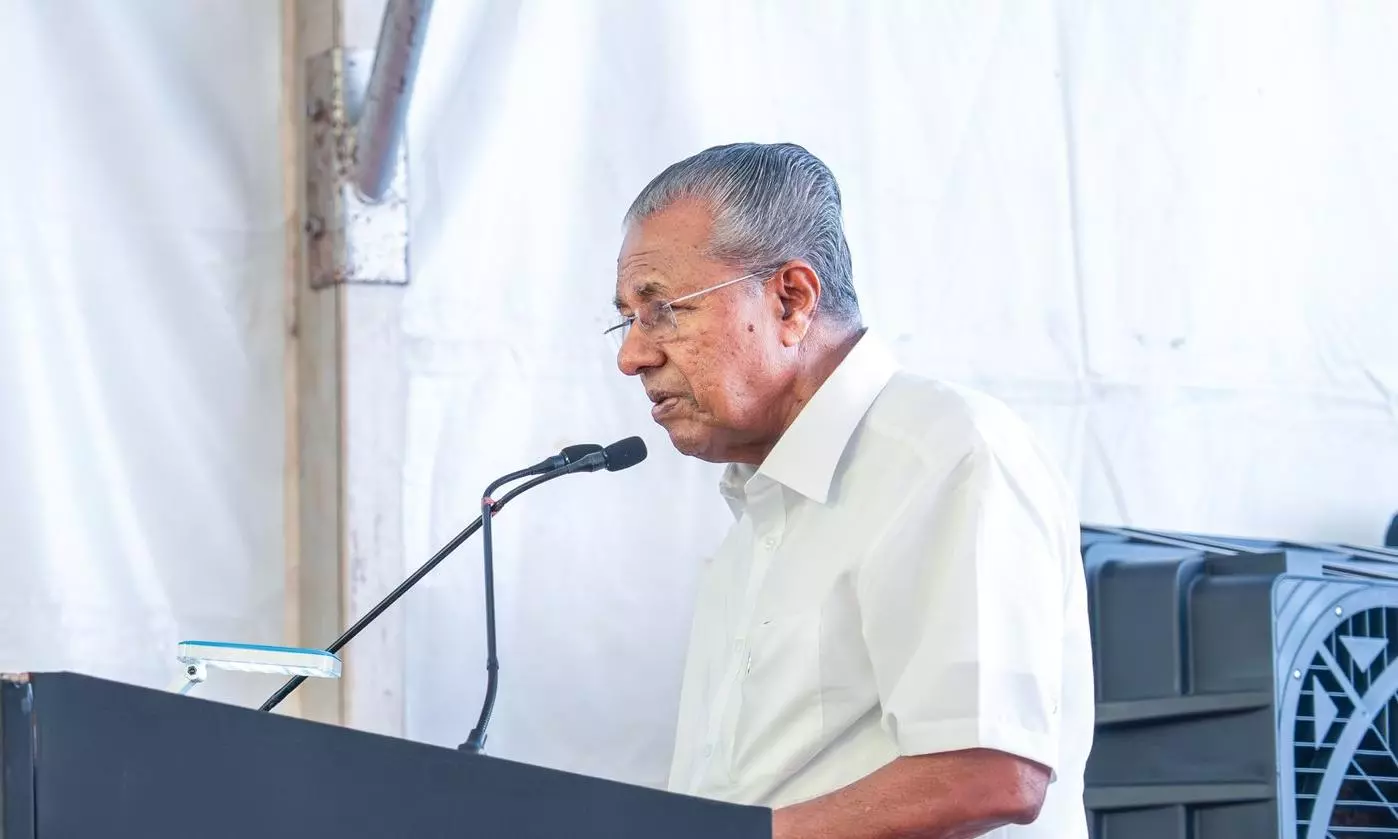
The CPI(M) released its first list of candidates soon after the schedule was announced. Party state secretary MV Govindan announced the list in Thiruvananthapuram, confirming that Chief Minister Pinarayi Vijayan will once again contest from Dharmadam, the constituency he currently represents.
Also read | Kerala elections 2026: 10 issues that can determine results
The party has announced candidates in 75 constituencies. It has also indicated that it will support independent candidates in 11 constituencies as part of its electoral strategy, with six of those names already declared.
Among the prominent candidates in the list are former Health Minister KK Shailaja in Peravoor against the sitting MLA and KPCC president Sunny Joseph in a not-so-sure seat, Industries Minister P Rajeev in Kalamassery, PWD minister PA Mohammed Riyas in Beypore, Local Self Government & Excise Minister MB Rajesh in Thrithala, former MP AM Ariff in Aluva, Linto Joseph in Thiruvambady, PK Shyamala, who is also the wife of state party secretary MV Govindan, in Taliparamba and VK Sanoj in Mattannur.
CPI makes a list, too
The CPI also released its candidate list for the 25 constituencies allotted to it in the LDF seat sharing arrangement. The list was announced by party state secretary Binoy Viswam. The CPI has declared candidates in 25 constituencies, including ET Tyso in Paravur against leader of opposition VD Satheesan, Agriculture Minister P Prasad in Cherthala, Revenue Minister K Rajan in Ollur, Mohammed Muhsin in Pattambi, VR Sunil Kumar in Kodungallur and poet and orator Alankode Leelakrishnan in Thrissur.
The early declaration of candidates by the two principal Left parties comes as the state prepares for another Assembly election with a revised electoral roll and an extensive polling infrastructure in place across all districts.
SIR numbers
Ahead of the election, the electoral roll in Kerala was updated through a Special Intensive Revision (SIR) conducted by the Election Commission. The final voters list published after the revision shows that Kerala has 2,69,53,644 registered voters across its 140 Assembly constituencies.
Also read | SIR: Kerala launches voter-inclusion drive on war footing
Women continue to form the larger share of the electorate, with 1,38,27,319 female voters and 1,31,26,048 male voters, along with 277 voters registered in the third gender category. The updated roll also includes more than four lakh first time voters.
The revision exercise has led to a reduction in the size of the electorate compared to the earlier list. The electoral roll published in October 2025 had 2,78,50,855 voters. During the revision process, officials verified the rolls and removed names of people who had died, shifted residence or were found to be duplicated. As a result, around 8.97 lakh names were deleted, bringing the total electorate to about 2.69 crore voters.
Polling infrastructure
Kerala’s polling infrastructure spans all 14 districts and the state’s 140 Assembly constituencies. For the upcoming election, the Election Commission has set up around 30,471 polling stations across the state.
Also read | Kerala polls 2026: Left faces wave of defections as familiar faces cross over
Polling stations are typically located in schools, government buildings and other public facilities to ensure accessibility for voters. In most constituencies, a polling station caters to roughly 900 to 1,000 voters, although the number may vary depending on geography and population density.
The coming election follows the 2021 Kerala Legislative Assembly election, which was held on 6 April 2021 in a single phase across the state. At that time the electorate consisted of 2,75,03,768 registered voters, and the election recorded a voter turnout of about 76 per cent.
The results, declared on 2 May 2021, produced a historic outcome. The LDF, led by Pinarayi, retained power with 99 seats in the 140 member Assembly, marking the first time in more than four decades that a ruling alliance in Kerala returned to power for a second consecutive term.
In that election, the CPI(M) contested 74 constituencies and won 62 seats, while several independents backed by the party also emerged victorious and contributed to the overall tally of the ruling alliance. The opposition Congress contested 93 seats and won 21, while its key ally the Indian Union Muslim League contested 25 seats and won 15. Together the United Democratic Front (UDF) secured 41 seats in the Assembly.
Mixed political picture
Subsequent electoral contests have produced a more mixed political picture. In the 2024 Lok Sabha election, when parliamentary results were broken down by Assembly segments, the UDF emerged ahead in a majority of constituencies, indicating a shift in momentum compared to the 2021 Assembly verdict. The election also saw the BJP register a breakthrough when Suresh Gopi won the Thrissur Lok Sabha seat, the first parliamentary victory for the party in Kerala.
Also read | Why Kerala gains on paper but loses fiscally under 16th Finance Commission
Local body elections and subsequent political developments have continued to reflect a competitive three front political environment in the state, with all major alliances attempting to consolidate their support base ahead of the Assembly polls.
With candidate announcements now under way and the campaign beginning to gather momentum, attention in the coming weeks is expected to shift to the remaining seat allocations, the candidate lists of the opposition fronts and the issues that will shape the electoral debate in the run up to the April 9 polling.