



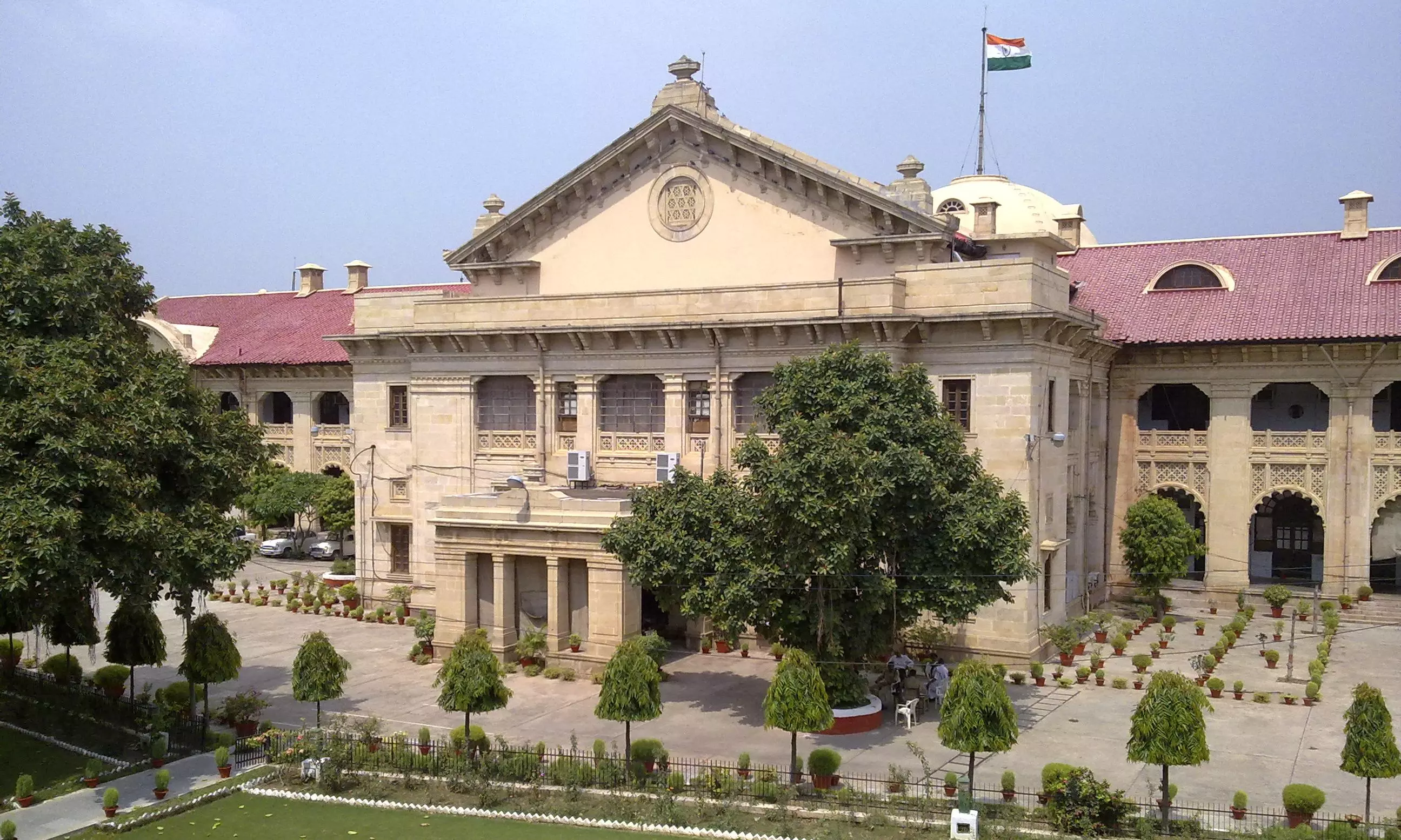
Religious prayers on private land not immune from regulation, says Allahabad HC
Court says rights are subject to public order; rules organised or large-scale prayers may invite regulation, dismisses Sambhal plea over public land use

The Allahabad High Court has ruled that the offering of religious prayers on private property is not entirely immune to regulation, and may be subject to regulatory control if it involves regular or organised congregational activities.
A Division Bench of Justice Saral Srivastava and Justice Garima Prashad observed that when such activity on private property becomes regular, organised, or large-scale, it may amount to a change in the nature of use of the premises, according to a Bar and Bench report. Thus, such activities would become subject to applicable laws, including planning and local regulations.
Curbs on congregational prayers
“Private property may be used for personal and limited religious activity so long as it remains genuinely private, occasional and non-disruptive; however, once such use extends to regular or organised congregational activity involving persons beyond a limited private sphere, it falls outside the protected domain and may attract regulatory control,” the court said.
Also read | PM Modi launches 594-km Ganga Expressway: Here are the key features
As per the report, the court has also held that the earlier decisions cannot be read as laying down that organised or regular congregational activity on private premises is wholly immune from regulation.
“They (earlier verdicts) recognise a limited protection, namely where prayer remains confined to a private, non-disruptive setting. Where the activity extends beyond that sphere and begins to affect the public domain, lawful regulation follows. These decisions do not confer a right to convert private premises into an unregulated congregational space,” the court said.
The court was hearing a petition seeking permission and security for offering namaz at a private property in Sambhal. However, the state said the land in question was registered as abadi land. It said that namaz has traditionally been offered at the location only on the occasion of Eid, and that no restriction has been imposed on such established practice.
It added that now there was an attempt to introduce regular large scale congregational prayers by inviting persons from within and outside the village.
Court upholds public order limits
The court noted that while the Constitution protects the right to practice religion, it also makes it clear that this right is subject to public order, morality and health.
“It is not an unlimited right. It cannot be exercised in a way that affects others or disturbs the normal functioning of public life. As is often said, one person’s freedom ends where it begins to affect someone else,” the bench said.
The court further said that no individual can claim a right to use public land for regular religious gatherings. “Such use affects movement, access and safety, and in appropriate situations, communal equilibrium; it must therefore be regulated. It is the state’s obligation to ensure equal access, civic order and non-discriminatory administration,” the bench underscored.
Also read | Uttar Pradesh CM Adityanath signs Rs 11,000 cr worth MoUs during Japan visit
The court observed that while existing lawful practices, long-regulated arrangements, or permissions granted for limited or specific purposes may stand on their own footing, no new or unilateral claim can be founded merely on religion or personal preference.
The bench further said authorities need not wait for an actual disturbance and are empowered to take preventive action if an activity is likely to affect public order or communal harmony. Since the petitioner failed to establish ownership and the land remained classified as public land, the court dismissed the plea.