



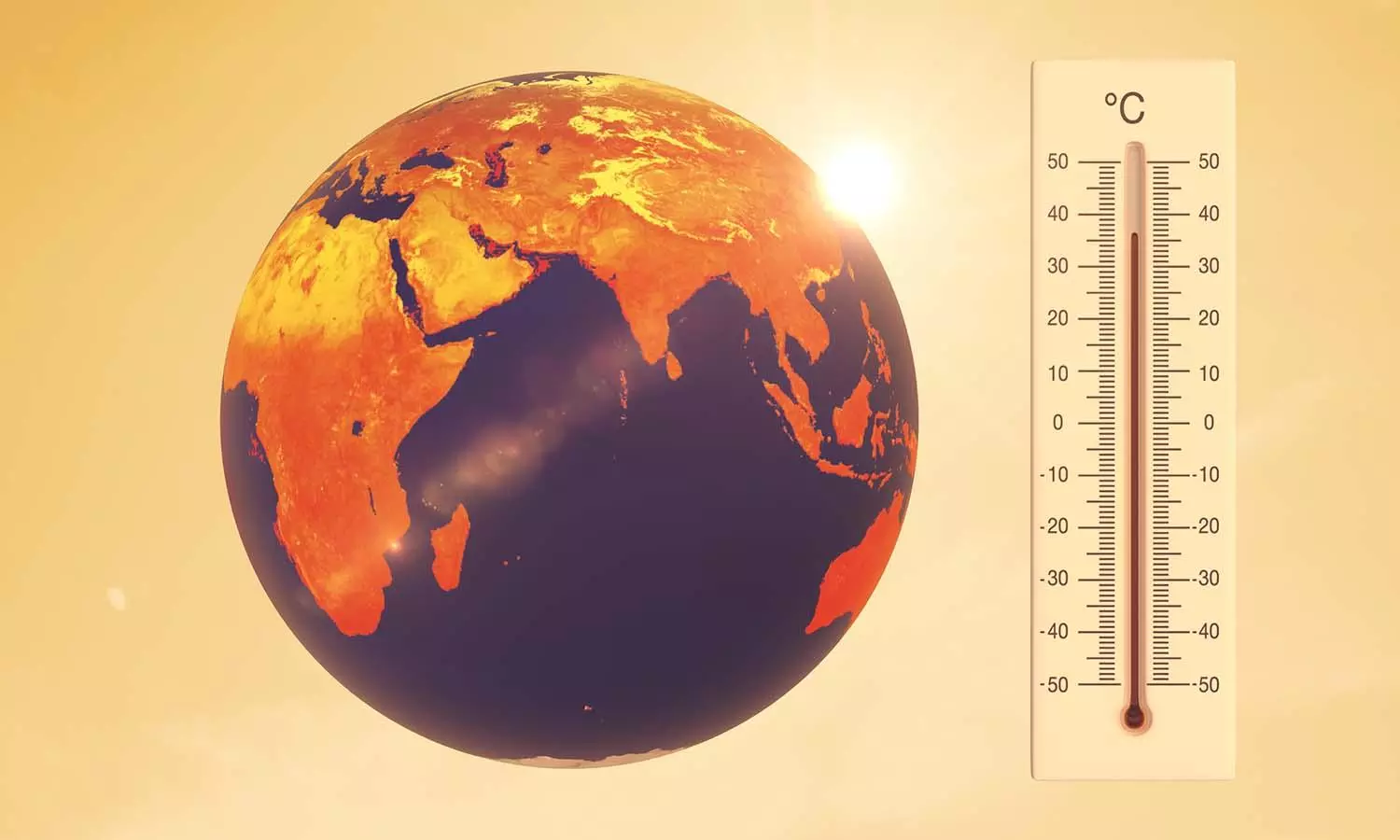
World braces for 'Godzilla El Nino'. Should India be worried?
A strong El Nino could push global temperatures towards record highs, making 2026 and possibly 2027 among the warmest years ever recorded

The world could be heading towards a strong El Nino cycle in 2026, raising concerns about droughts, floods, crop losses and extreme weather across multiple continents. While some forecasters have informally described the developing event as a "Godzilla El Nino", scientists caution that its eventual strength is still evolving.
Here’s a look at the new phenomenon and how it could affect India’s weather patterns and economy.
What is Godzilla El Nino?
El Nino occurs when sea surface temperatures in the central and eastern Pacific Ocean become unusually warm, disrupting atmospheric circulation and altering rainfall patterns around the world.
Also read: Why the familiar-sounding warning of a potential super El Niño sounds shriller this time
The term "Godzilla El Nino" is not an official meteorological classification but a popular nickname used to describe exceptionally powerful El Nino events. It was widely associated with the devastating 1997-98 El Nino, one of the strongest on record, which triggered severe droughts, floods, crop losses and economic damage across several continents. The phrase was later used again during the powerful 2015-16 El Nino, which contributed to record global temperatures and widespread weather disruptions.
Though the phenomenon develops thousands of kilometres away from India, its impacts are often felt across the subcontinent, making it a major concern for meteorologists, farmers and policymakers.
How is it formed?
Under normal conditions, trade winds push warm surface waters across the Pacific towards Asia. During an El Nino, these winds weaken or reverse, allowing warm water to spread eastward towards South America. This warming releases vast amounts of heat into the atmosphere, influencing weather systems worldwide and increasing the likelihood of extreme climate events.
Also read: India braces for hotter days, erratic monsoon as 'super El Nino' develops
The World Meteorological Organization (WMO) has confirmed the development of El Nino conditions and projects a high probability of the event strengthening through the remainder of 2026. Several climate models suggest the event could become moderate to strong by the end of the year, though uncertainty remains over its peak intensity.
What could be the global impact?
A stronger El Nino could result in hotter temperatures, prolonged droughts, intense rainfall events and shifts in storm patterns across different regions.
In South and Southeast Asia, the primary concern is the disruption of seasonal monsoons, which could affect agricultural production of crops such as rice and sugar while increasing the risk of drought and water shortages.
Across North and South America, El Nino often alters jet stream patterns, increasing the likelihood of intense winter storms, flooding and mudslides in vulnerable regions.
Also read: Why are Indian summers becoming unbearable? | Raghu Murtugudde interview
Australia typically experiences warmer and drier conditions during El Nino years, increasing the risk of droughts, bushfires and water stress, although local weather patterns can influence the extent of the impact.
Why should India be worried?
For India, the biggest concern is its potential impact on the southwest monsoon, which provides nearly 70 per cent of the country's annual rainfall. Weakening of the monsoon activity directly affects agriculture, water availability and economic growth.
Nearly half of India's agricultural land are dependent on rainfall rather than irrigation. A weak monsoon can therefore lead to lower crop yields, agricultural distress and pressure on rural incomes.
Reduced rainfall also affects reservoir levels, drinking water supplies and hydropower generation. Lower agricultural output can contribute to rising food prices and inflation, creating broader economic challenges.
Also read: Deadly summer: Heat wave crisis deepens as water shortages grip India
However, meteorologists are also closely monitoring the Indian Ocean Dipole (IOD), another climate phenomenon that can influence India's rainfall. Some weather models indicate the possibility of a positive IOD developing later in the monsoon season. If it strengthens, it could help offset part of the drying effect typically associated with El Niño by enhancing moisture flow towards the Indian subcontinent.
India has experienced several major drought years linked to El Nino conditions, including 1982, 1987, 2002, 2009 and 2015.
Scientists warn that when combined with long-term human-driven climate change, a strong El Nino could push global temperatures towards record highs, making 2026 and possibly 2027 among the warmest years ever recorded.