



Beyond the kitchen: Transport and industries begin to feel LPG pain
The conflict in West Asia affects gas supplies across Indian sectors — from restaurants and telecom towers to factories and fertilisers

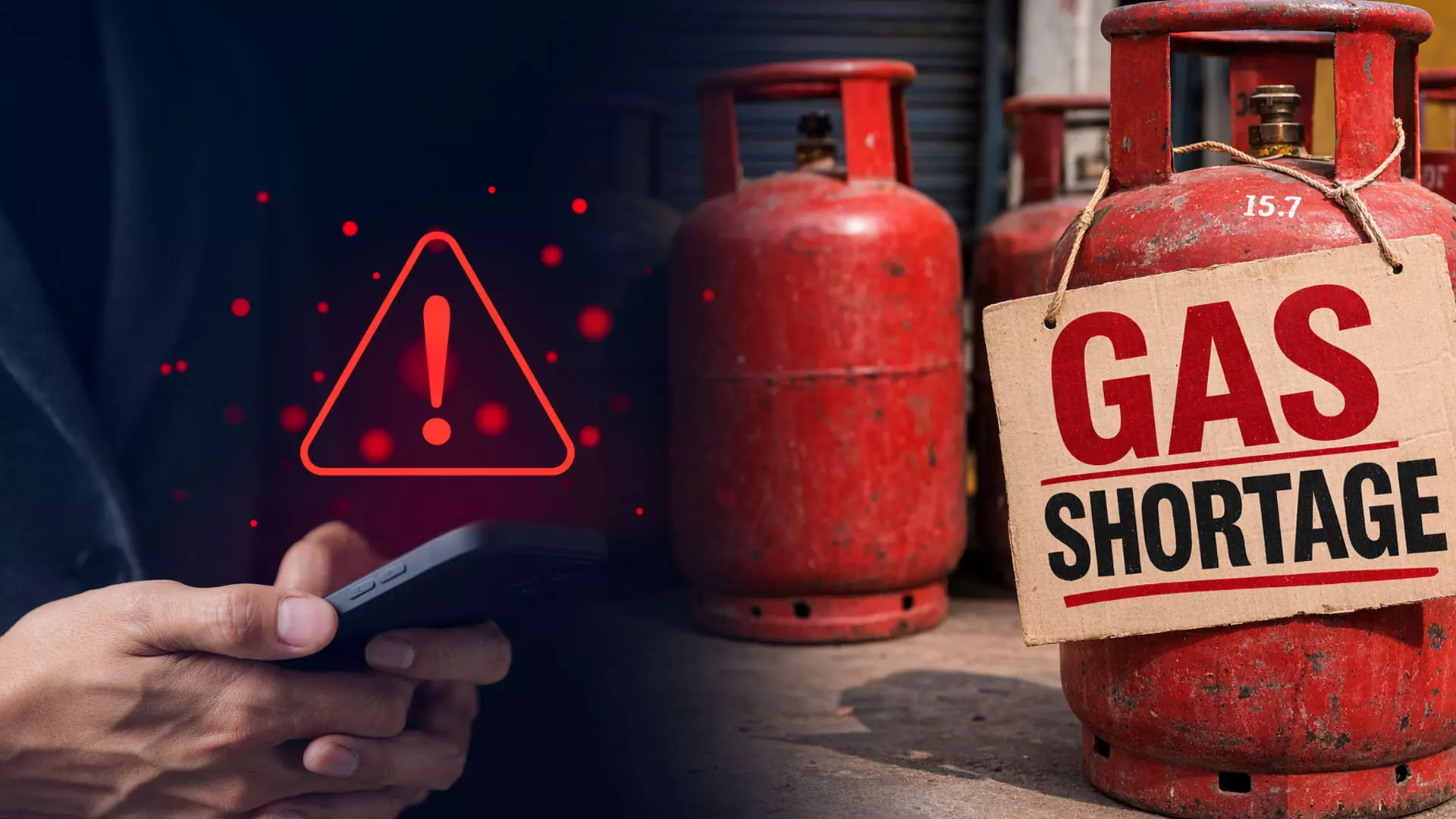
Indian cities are beginning to feel the first signs of an energy squeeze. Rising tensions in West Asia — a region that supplies a large share of the world’s energy — are starting to send shockwaves across global supply chains. In cities such as Chennai, Mumbai, and Bengaluru, restaurants and commercial establishments are already flagging concerns about gas availability.
Different forms of gas power India’s homes, vehicles, and industries. The most familiar for households is the red LPG cylinder used for cooking. Many vehicles in Indian cities run on CNG, while several urban homes now receive cooking gas through PNG pipelines instead of cylinders.
Another major fuel is LNG, which is imported by ships and used to power industries and electricity plants. Though the names sound similar — LPG, PNG, CNG, and LNG — each represents a different form of fuel designed for a specific use in India’s energy ecosystem.
Gas types
Liquefied Petroleum Gas, or LPG, is the most widely-recognised cooking fuel in India. It is produced during crude oil refining and natural gas processing and mainly consists of propane and butane. For millions of households across the country, LPG cylinders remain the primary source of cooking energy.
Also Read: Is LPG shortage a crisis of our own making, as Opposition claims? | Capital Beat
Its portability makes LPG suitable for a wide range of settings — from rural homes and roadside eateries to restaurants and commercial kitchens. Because of this widespread use, disruptions in LPG supply can quickly affect everyday life.
Piped Natural Gas, or PNG, is natural gas supplied through underground pipelines directly to homes, restaurants, and industries. Consumers receive the gas through a utility-style connection and pay according to their usage, similar to electricity billing.
Transport fuel
Compressed Natural Gas, or CNG, is another major fuel in India’s gas economy. Natural gas is compressed at high pressure and used as a cleaner alternative fuel for vehicles such as cars, buses, taxis, and auto-rickshaws.
Liquefied Natural Gas, or LNG, is natural gas that has been cooled to extremely low temperatures until it becomes liquid. This allows it to be transported across long distances by specialised ships.
After reaching coastal terminals, LNG is converted back into gas and supplied to industries, power plants, and city gas networks. Together, LPG, PNG, CNG, and LNG form the backbone of India’s expanding eco-friendly energy system.
Impact on hospitality sector
The hospitality sector is among the first to feel the impact of tightening supplies. Restaurants and hotels rely heavily on commercial LPG cylinders for their kitchens. However, unlike households, most eateries maintain only limited reserves.
Also Read: LPG shortage disrupts fresh meals on premium trains, snacks at railway stalls
Reports indicate that some restaurants have already begun trimming menus, reducing operating hours, or even considering temporary closures because of delayed LPG deliveries.
If disruptions continue, food delivery platforms such as Swiggy and Zomato could also face indirect effects as partner restaurants scale back their operations.
Telecom concerns
Another sector raising the alarm is telecom infrastructure. According to industry representatives, oil companies have temporarily halted LPG supplies to telecom tower operators following government directions to prioritise household consumers.
Telecom towers rely on LPG as a backup fuel for power generation. A prolonged disruption in these supplies could potentially affect mobile and internet connectivity in certain areas.
Shortages have also created operational difficulties for tower-manufacturing units, as galvanisation processes used in tower production depend heavily on LPG and LNG.
Pressure on manufacturing
The automotive components sector has also expressed concern. The Automotive Component Manufacturers Association of India has written to the government seeking uninterrupted LPG and PNG supplies for MSME foundry and forging units.
India exports large volumes of automotive components globally, and the industry relies on just-in-time manufacturing systems that keep inventories very low. Even small disruptions in component production can delay vehicle assembly lines.
Also Read: LPG delays and black-market claims: Are global supply tensions hitting distribution?
These MSME units form the backbone of India’s auto supply chain and employ thousands of workers. If production slows or factories temporarily shut down, it could affect jobs and wages across industrial clusters.
Small production units feel the pain
The effects are already visible in some manufacturing hubs. According to reports, industry groups in Chhatrapati Sambhajinagar say several micro and small manufacturing units are facing severe fuel shortages.
Nearly ten units have already stopped production, while others warn they may be forced to shut down within days if supplies are not restored.
Many factories in these clusters depend on LPG, LNG, or propane for heating, metal processing, and other industrial activities.
Fertiliser sector
The fertiliser industry is also beginning to feel the pressure. Natural gas is a crucial raw material used to produce ammonia, which forms the base for nitrogen-based fertilisers such as urea.
Under the current gas allocation framework, fertiliser plants are guaranteed around seventy per cent of their average gas consumption from the previous six months.
Also Read: Panic buying, woodfire switch: How LPG crisis fear has hit the states
However, some producers say even this supply has been reduced recently, forcing them to adjust production schedules ahead of the next agricultural season.
Crematoriums
The impact is not limited to industries. In Pune, gas-based crematoriums have been temporarily shut down after propane and butane — key components of LPG — were diverted to ensure household supply.
Electric and wood-based crematoriums are continuing operations in the meantime.
Government response
Amid these disruptions, the government says it has taken several measures to stabilise supply and protect consumers. The Centre has invoked the Essential Commodities Act to regulate the availability and distribution of petroleum products and natural gas.
Refineries and petrochemical units have been instructed to maximise LPG production and divert key hydrocarbon streams toward cooking gas supply.
Also Read: Beyond oil and LPG: How Iran conflict is wrecking multiple sectors
The government has also revised the natural gas allocation framework to prioritise critical sectors. Domestic piped natural gas supply, CNG for transport, and LPG production will receive 100 per cent of their recent average consumption.
The fertiliser sector will receive at least 70 per cent of its average gas requirement, while tea industries, manufacturing units, and other industrial consumers will receive around 80 per cent of their recent average supply, subject to availability.
(The content above has been transcribed from video using a fine-tuned AI model. To ensure accuracy, quality, and editorial integrity, we employ a Human-In-The-Loop (HITL) process. While AI assists in creating the initial draft, our experienced editorial team carefully reviews, edits, and refines the content before publication. At The Federal, we combine the efficiency of AI with the expertise of human editors to deliver reliable and insightful journalism.)


