



UK-led coalition of over 35 nations to explore reopening of Strait of Hormuz
They will explore measures to restore shipping through the Strait as Iranian threats halt traffic, spike oil prices, and expose widening rifts with the US over global security responsibilities

Almost three dozen countries will meet on Thursday (April 2) in an effort to exert diplomatic and political pressure to reopen the Strait of Hormuz, a vital shipping route that has been choked off by the US-Israeli war against Iran.
British Prime Minister Keir Starmer said the virtual meeting chaired by Foreign Secretary Yvette Cooper “will assess all viable diplomatic and political measures we can take to restore freedom of navigation, guarantee the safety of trapped ships and seafarers, and to resume the movement of vital commodities”.
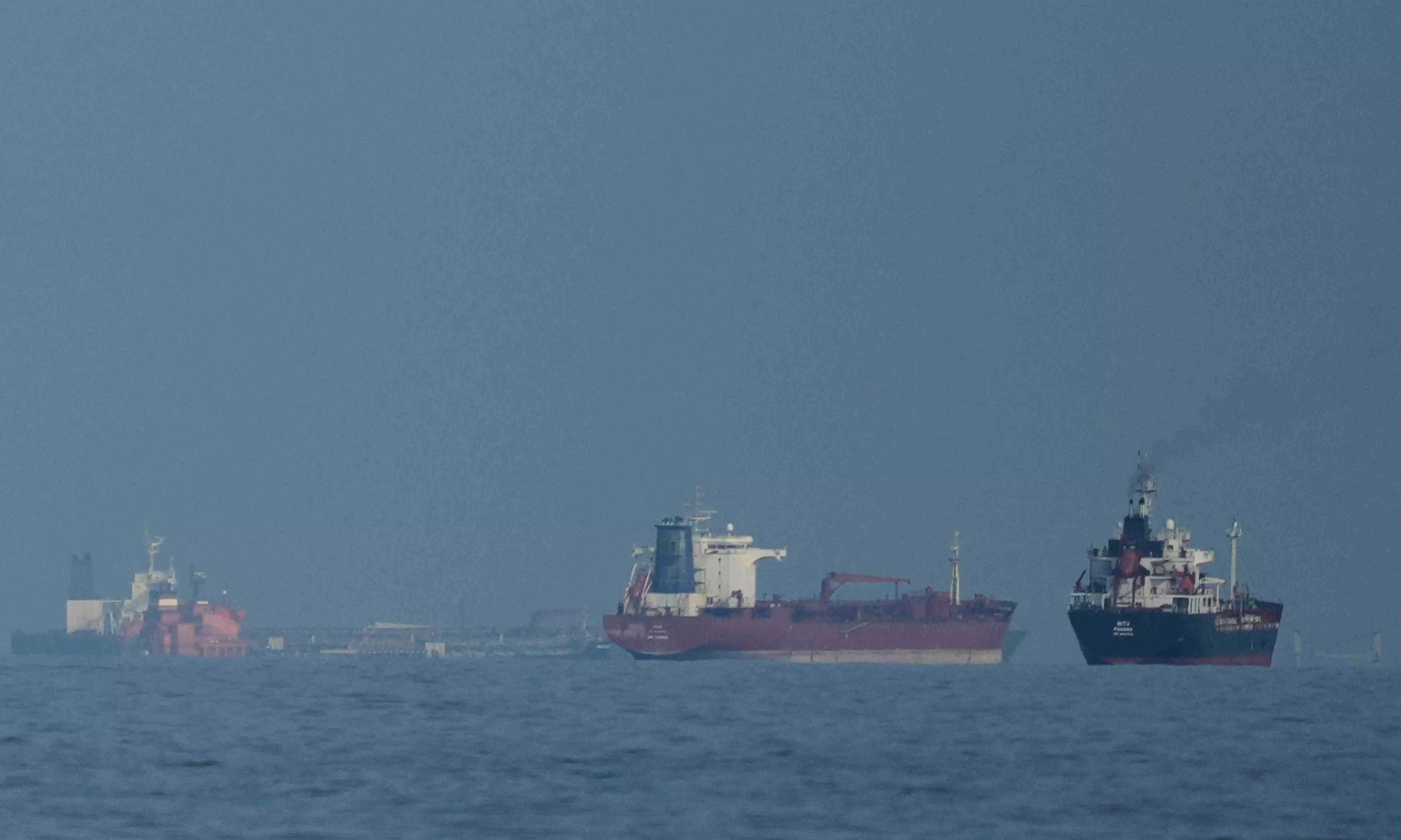
Iranian attacks on commercial ships, and the threat of more, have halted nearly all traffic in the waterway that connects the Persian Gulf to the rest of the globe's oceans, shutting a critical path for the world's flow of oil and sending petroleum prices soaring.
Also Read: Asian nations race for Russian crude oil as energy crisis deepens
The US is not among the countries attending Thursday's meeting. Trump has said securing the waterway is not America's job, and told US allies to “go get your own oil”.
No country appears willing to try and open the strait by force while fighting rages and Iran can target vessels with anti-ship missiles, drones, attack craft, and mines. But Starmer said on Wednesday that military planners from an unspecified number of countries will meet soon to work on how to ensure security for shipping “after the fighting has stopped”.
Countries sign statement
In the meantime, 35 countries including the UK, France, Germany, Italy, Canada, Japan, and the United Arab Emirates have signed a statement demanding Iran stop its attempts to block the strait and pledging to “contribute to appropriate efforts to ensure safe passage” through the waterway. Thursday's meeting is considered a first step, to be followed by “working-level meetings” of officials to hammer out details.
Also Read: What’s behind Trump’s flip-flops on Iran war?
Starmer said resuming shipping “will not be easy”, and will require “a united front of military strength and diplomatic activity” alongside partnership with the maritime industry.
‘Coalition of the willing’
The international effort idea has echoes of the international “coalition of the willing” that has been assembled, led by the UK and France, to underpin Ukraine's security after a future ceasefire in that war. The coalition is, in part, an attempt to demonstrate to the Trump administration that Europe is stepping up to do more for its own security.
Also Read: US burns $10,300 a second in Iran war, says SIPRI study
The urgency of stronger continental defences has been reinforced by Trump's renewed suggestion that the US could pull out of NATO.
(With agency inputs)