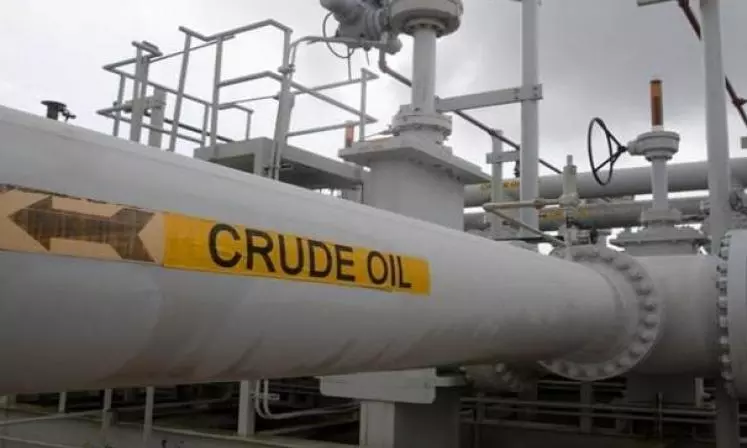
US-Iran truce a relief for oil markets, but toughest challenges remain: Trade expert
Expert D Ravi Kanth says while accord, which will see Hormuz opened, may lower risk to oil prices, markets will judge its success on durable political settlement

An interim accord expected to be signed by the US and Iran in Geneva on Friday (June 19) could reduce immediate concerns over disruptions to global oil supplies, though the agreement leaves the toughest issues between the two sides for future negotiations.
The deal, brokered with mediation support from Pakistan and Qatar, is expected to reopen the Strait of Hormuz within 30 days and establish a framework for negotiations over the following two months, according to Geneva-based trade expert D Ravi Kanth.
Also read: US, Iran agree over peace. What changed? Which pain points still remain?
Focus on de-escalation
“The deal is done, and it has to be signed,” Ravi Kanth said, adding that negotiators are expected to continue discussions in Qatar before Friday's signing ceremony in Geneva.
The significance of the accord lies in its focus on de-escalation rather than dispute resolution. While it is expected to restore shipping through the Strait of Hormuz and provide Iran with some sanctions relief, thornier issues such as Tehran's nuclear programme have effectively been pushed into a second phase of talks.
‘Hormuz to open in 30 days’
That distinction helps explain the recent retreat in oil prices. Markets are responding to the reduced risk of a supply shock rather than betting on a comprehensive normalisation of relations between Washington and Tehran.
Also read: Trump says Iran agreed to never possess nuclear weapons, dismisses $300 million claim
"The Strait of Hormuz will be open within the next 30 days," Ravi Kanth said. He added that both sides are expected to undertake demining operations and facilitate the passage of commercial vessels through the waterway.
Good news for oil markets
For oil markets, the reopening of Hormuz would be significant. The narrow shipping lane handles a substantial share of global crude exports, making any disruption a key risk for import-dependent economies, particularly in Asia. A reopening could also pave the way for higher Iranian oil exports if sanctions relief is implemented.
Also read: Israel, the only factor that can ruin Iran-US deal
"The oil prices will definitely stabilise around $80 or so in the coming days during this period of talks," Ravi Kanth said.
Uncertain durability of peace deal
The agreement may also provide Iran access to overseas financial assets and other forms of economic relief, giving Tehran a strong incentive to keep negotiations alive. At the same time, it offers President Donald Trump a potential diplomatic off-ramp from a conflict that has rattled markets and drawn scrutiny at home.
Still, the durability of the arrangement remains uncertain.
Also read: How US-Iran peace deal impacted oil prices, stock markets, gold and the rupee
"There are a lot of ifs and buts at this point of time," Ravi Kanth said. "But on the face of it, it is a definite strategic victory for Iran."
The next phase of negotiations is likely to prove considerably more difficult than securing the interim agreement itself. Both Washington and Tehran are expected to return to long-standing disagreements over sanctions, regional security and Iran's nuclear activities.
‘Difficult bargaining ahead’
Ravi Kanth said negotiators would likely adopt "maximalist positions" after the memorandum is signed, raising the prospect of difficult bargaining in the weeks ahead.
A broader ceasefire linked to the agreement could face additional challenges from regional actors, underscoring the fragility of any de-escalation effort. While the accord may lower the immediate risk premium embedded in oil prices, markets will ultimately judge its success on whether it evolves into a more durable political settlement.
Also read: 'Idea of invincible US has eroded; Iran showed maturity' | AI With Sanket
For now, the focus is on restoring energy flows. "The real flows and the supply chains will be completely activated in the next 30 days," Ravi Kanth said, while cautioning that normalisation would not happen immediately after the agreement is signed.