



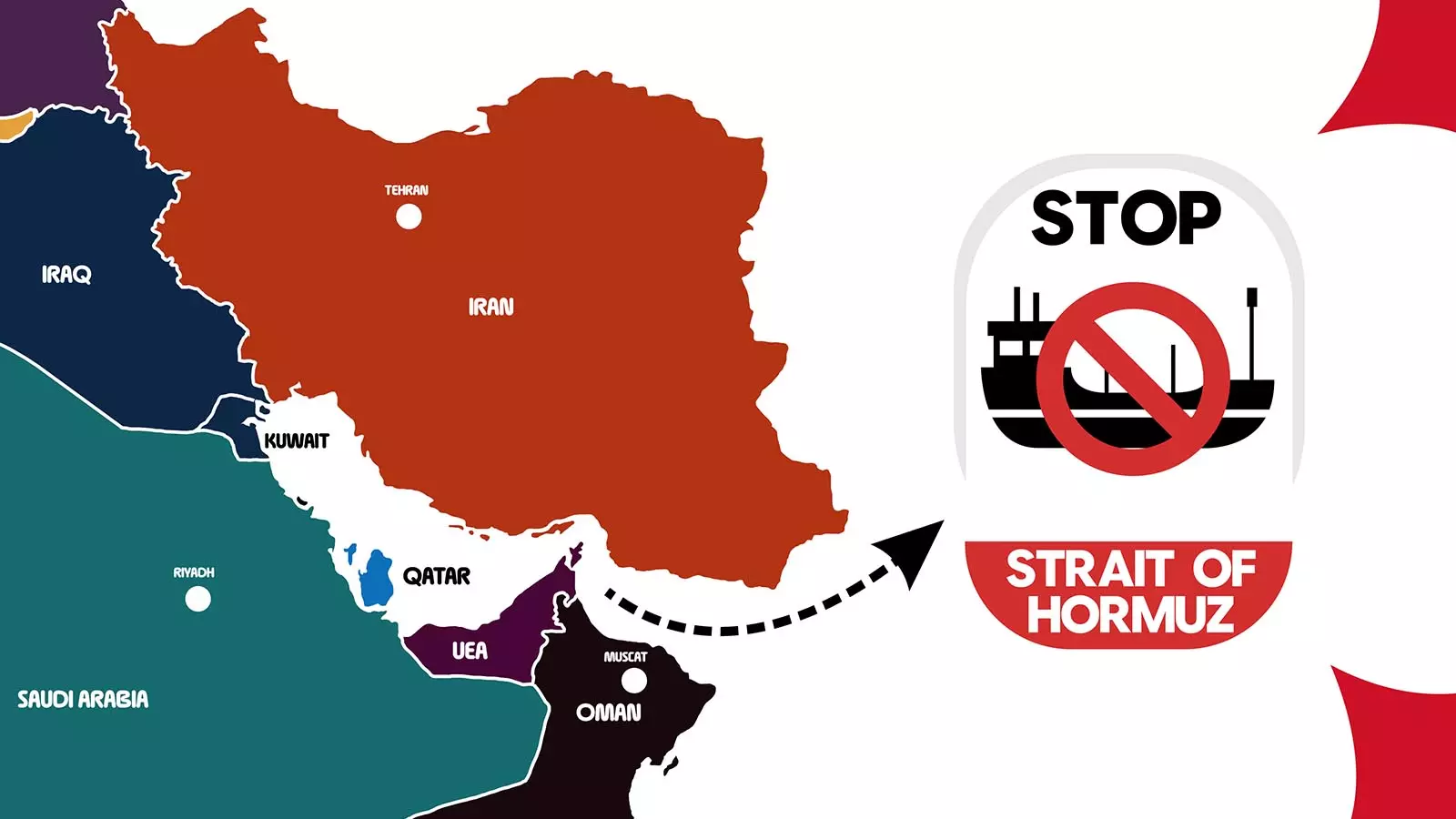
Iran has aimed to extract an advantage over the vulnerability of the sensitive Strait of Hormuz as the West Asia crisis continues. Photo: iStock
The Tehran 'toll booth'? Iran eyes to cash in on Strait of Hormuz disruption
With around 2,000 vessels stranded and oil prices soaring, Tehran’s parliament weighs a “security tax” to formalise its de facto chokehold on the vital trade route

Iran appears to cement a de facto chokehold over the Strait of Hormuz, one of the world's most critical oil trade routes, which it has blocked after being attacked by Israel and the US on February 28, by suggesting the introduction of a "toll booth" system.
Also read: Iran war tests India's macroeconomic resilience, government data shows
Tehran has withstood pressure from the US and other stakeholders to exert counter geopolitical and economic pressure amid the war. The prolonged blockade of the strait has put a serious stress on the global supply chains, affecting distant countries that are heavily dependent on West Asia for energy.
With nearly 2,000 vessels stranded close to the narrow strait, which is located between Iran to its north and Oman and the United Arab Emirates to the south, Iranian officials are considering converting that leverage into a structured system of control and revenue.
Earlier this week, Iranian media reported that the country's parliament is considering legislation to collect tolls from ships passing through the waterway.
Also read: Strait of Hormuz crisis: Why Iran’s toll plan is big global concern
In a significant move recently, Iran, while laying out conditions for ending the conflict, introduced a new demand: formal recognition of Iran’s sovereignty over the Strait of Hormuz.
The country also informed the International Maritime Organization, that it had introduced "precautionary measures" to ensure maritime safety and security, maintaining that these steps are consistent with international law.
Toll booth mechanism
Evolving shipping routes and Iran’s communications with the IMO suggest the development of what analysts describe as a “toll-like” mechanism. Ships are increasingly being directed into Iranian territorial waters, where they undergo inspections by the Islamic Revolutionary Guard Corps (IRGC).
The IRGC is currently enforcing a restricted transit regime in the region, tightening control over maritime movement.
Also read: A deadline over Hormuz, Iran’s ominous threats, and a U-turn by Trump
Traditionally, vessels navigated the Strait through a central two-lane shipping corridor. However, an increasing number are now rerouting north of Larak Island, drawing them closer to Iran’s coastline and placing them firmly within its territorial waters.
Ships are being funnelled through a designated, IRGC-monitored corridor between the islands of Qeshm and Larak, located in the strait, further limiting navigation routes.
As part of the process, vessel operators are required to submit detailed documentation, including crew manifests and cargo information, to the IRGC Navy’s Hormozgan Provincial Command for what is described as “geopolitical vetting”. Even after clearance, approved vessels are often mandated to accept an Iranian naval escort.
Geoeconomical advantage
Since the onset of the conflict last month, Iran has blocked the passage of vessels carrying oil and liquefied natural gas (LNG) from the Gulf to the rest of the world, sending global oil prices soaring above $100 per barrel. With the closure, daily traffic through the Strait has also dropped by nearly 90 per cent, with only 4-5 ships transiting per day compared to the earlier 120-138.
Also read: Iran war sparks global fertiliser shortage, threatens food prices
Iranian lawmaker Mohammadreza Rezaei Kouchi was quoted by agencies close to the IRGC as saying the country's proposed "toll-booth" law would codify Iran's control, oversight and sovereignty over the Strait while establishing a new revenue stream.
While Tehran frames these tolls as a necessary security tax due to its geographical advantage, the move could have far-reaching implications for global energy markets and maritime security.