



Nepal tragedy | Registration, insurance, monitoring: Checklist for high-risk travel
Here is how you should be prepared while visiting a mountainous, ecologically fragile, or tectonically active region

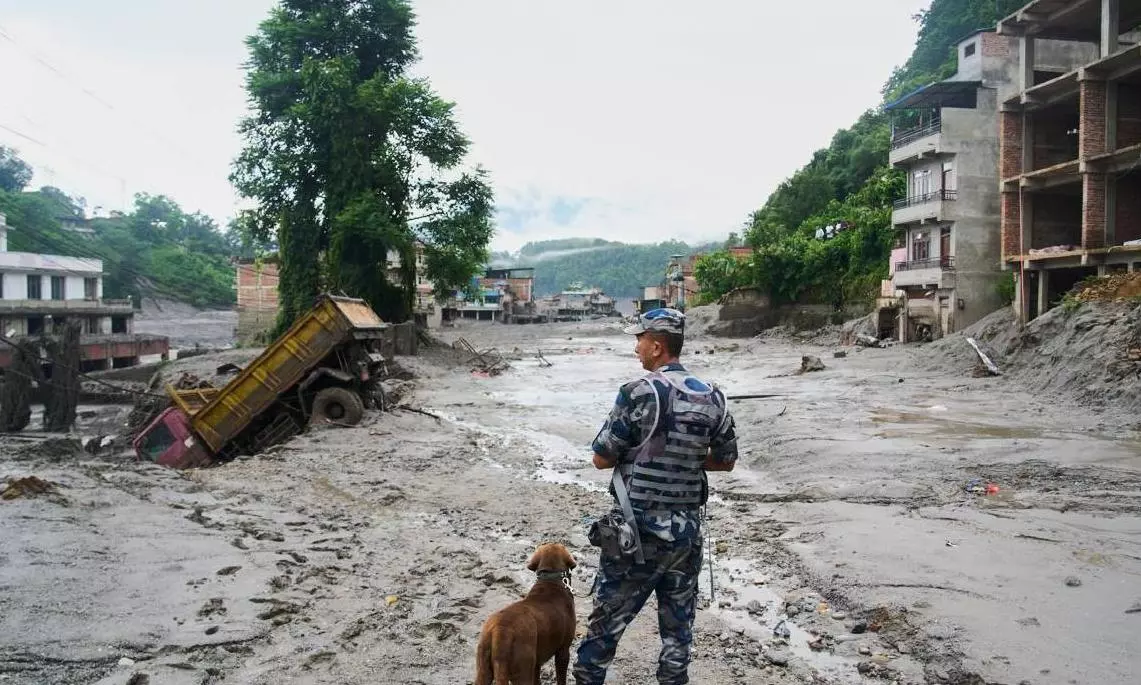
The devastating flash floods that have wreaked havoc in Nepal, snuffing out 177 lives, levelling houses, and snapping all communication networks, have left many tourists stranded in the affected regions. While over 403 tourists and travellers are reported to be missing, 341 of them are foreign nationals – of them, 300 are Indians.
For travellers, the immense scale and suddenness of the tragedy in a popular tourist destination like Nepal call for better preparation and contingency plans. Here’s what travellers should do when visiting Nepal or similarly ecologically fragile mountainous regions.
Registration
- In case of foreign travel, register with your embassy or consulate, as they will reach you and help you in emergency situations.
- The Ministry of External Affairs (MEA) advises Indians travelling abroad to register with the local Indian Embassy/Consulate before leaving India or after arrival in case of a stay in a foreign country for a reasonable length of time.
- The embassy’s emergency number should also be saved.
- Share details and day-to-day itinerary with family and friends. The MEA advises leaving a copy of your insurance policy details and your overseas itinerary with them.
Keep an eye on weather, roads
- Constantly monitor weather, possible hazards, and road conditions.
- Check local and international media for information and register on official disaster management applications like Nepal’s Viber alert systems or India’s Sachet NDMA app for weather and flood warnings.
- Monitor national meteorological agencies (like the Department of Hydrology and Meteorology in Nepal or IMD in India) for river level warnings and flash-flood alerts.
- Review current advisories from your government.
- Check for the latest update from your airline or tour operator.
- Avoid or postpone travel if you are planning it during monsoon. Flash floods and landslides are frequent in Nepal and places with similar topography during the monsoon, including in India.
- Stay away from riverbanks, low-lying areas, bridges, and unstable slopes.
- Avoid setting up camp, staying in hotels, or resting directly on narrow riverbanks, active river valleys, or beneath loose geologically unstable slopes.
Insurance coverage
- Review your travel insurance policy for coverage.
- Himalayan guide Shreejan Simkhada, in an article in The Everest Holiday says travel insurance in places like Nepal must cover high-altitude activities, emergency medical treatment and repatriation, trip cancellation and interruption and helicopter rescue coverage.
Communication and emergency equipment
- Keep phones fully charged, power banks ready and solar chargers handy.
- Travellers should also be equipped with physical paper maps and downloaded maps on their phones or devices.
Use reputable travel operators and guides
- Never trek or travel to mountainous, ecologically fragile or quake-prone regions alone.
- Always hire an experienced local guide or agency familiar with the topography, route, security clearances and emergency protocols.
Health and fitness
- Get yourself checked by a doctor before travel and cleared as fit for high-altitude travel.
- High terrains often have scant or no access to medical facilities, and serious cases call for immediate evacuation.
- Carry personal medicines along with you with the prescriptions and required documentation.
Earthquake/flood preparedness
- Before starting out, familiarise yourself with earthquake and flood response measures like the ‘Drop, Cover, Hold’ procedure.
- Pack a lightweight emergency bag with a mini first-aid kit, water purification tablets, high-calorie food bars, a headlamp, and a whistle.
- Include first-aid medicines for altitude sickness.
- Carry sufficient cash, as ATMs may fail, and copies of documents in a waterproof bag
- After an earthquake, watch for landslides or secondary floods before making any move.
- Avoid taking refuge in damaged buildings or going to disaster-struck sites.
- Always follow what local authorities instruct.
- For communication during an emergency situation, identify and notify people back at home whom you trust and who can be contacted when you need assistance.
High-risk zones
According to the Multi-Hazard Early Warning System Design and Implementation Center, India’s north-eastern states, Jammu and Kashmir, Ladakh, Uttarakhand, Himachal Pradesh and parts of North Bengal are at a higher risk of reporting seismic activities like earthquakes and extreme weather-related incidents like cloudbursts, landslides, GLOF and flash floods.
Himachal Pradesh, for instance, is highly vulnerable to Glacial Lake Outburst Floods (GLOF) due to a 525 per cent increase in the number of glacial lakes in the state since 1990, as per a joint study by IIT-Roopar and the University of Technology, Sydney.
Besides the Himalayan and Hindu Kush region, mountainous and tectonically active areas that are vulnerable to similar hazards worldwide include the Pacific Ring of Fire, the Alpine-Himalayan belt, and the Andes region.
Read The Federal's stories on Nepal floods here:
LIVE | Nepal flash floods: 21 from Tamil Nadu safe; toll rises to 177
Interview: Killer floods: Is Nepal underprepared for natural disasters? Yubaraj Ghimire exclusive
Nepal floods: 80 from Isha Foundation missing; Vijay calls emergency meeting
Nepal floods: People from more than 30 countries reported missing