



Iran claims deal was ‘inches away’, accuses US of ‘totalitarianism’ as talks fail
Iranian leaders maintained that they entered talks in good faith and said lack of trust and US pressure derailed progress despite signs of a near agreement

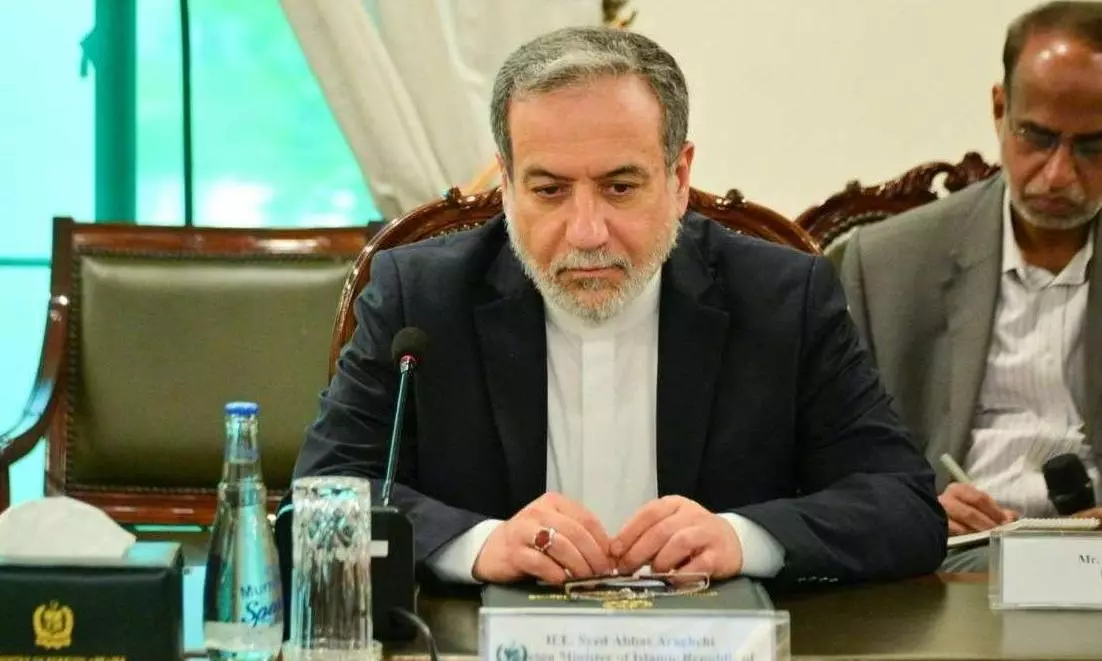
Iranian foreign minister Seyed Abbas Araghchi said on Monday (April 13) that they were just “inches away” from sealing an “Islamabad MoU” with the US when they were faced with maximalism, shifting goalposts, and blockade.
Araghchi's remarks come a day after the two sides, who met in Pakistan over the weekend to find a sustainable solution to end the West Asia war but failed to reach any breakthrough, leaving questions over what exactly transpired during the high-level talks.
Also read | 'Final and best offer': Vance's ultimatum, Iran's silence spell trouble
Araghchi said that Iran engaged with the United States “in good faith to end war” in what he described as the highest-level talks between the two nations in close to 50 years.
Talks collapse amid tensions
"In intensive talks at highest level in 47 years, Iran engaged with US in good faith to end war. But when just inches away from "Islamabad MoU", we encountered maximalism, shifting goalposts, and blockade. Zero lessons earned," Araghchi wrote in a post on X, without providing further details on what derailed the near-agreement. “Good will begets good will. Enmity begets enmity,” he added.
Hours before Araghchi's remarks, Iran's President Masoud Pezeshkian also indicated that a deal remains possible, but urged the United States to “abandon its totalitarianism” and “respect” Iran's rights.
“If the American government abandons its totalitarianism and respects the rights of the Iranian nation, ways to reach an agreement will certainly be found. I commend the members of the negotiating team, especially my dear brother Mr. Dr. Qalibaf, and say “God gives you strength.”” he wrote on X.
Iranian leaders have maintained that they entered the talks in “good faith”, believing an understanding could be reached that would lead to a durable end to hostilities in West Asia.
Iranian Parliament speaker MK Ghalibaf, who led the country's delegation in Pakistan, also said Iran entered the talks with the intent to strike a deal but lacked trust in the other side.
“My colleagues on the Iranian delegation Minaab168 raised forward-looking initiatives, but the opposing side ultimately failed to gain the trust of the Iranian delegation in this round of negotiations,” he said.
Trump cites nuclear deadlock
United States President Donald Trump also said that both sides agreed on several points during negotiations; however, he claimed Iran refused to budge on the nuclear issue, which he said was the most important.
Also read | Trump warns of ‘big problems’ for Beijing over alleged missile shipments to Iran
“So, there you have it, the meeting went well, most points were agreed to, but the only point that really mattered, NUCLEAR, was not,” Trump wrote on Truth Social as he announced that US forces will implement a blockade on maritime traffic entering and exiting Iranian ports.
“IRAN IS UNWILLING TO GIVE UP ITS NUCLEAR AMBITIONS!” Trump wrote in another post in his signature all-caps style as he warned Iran against charging a fee from vessels passing through the Strait of Hormuz.
The US Centcom also announced that starting April 13 at 10 a.m. ET, its forces will begin implementing a “blockade of all maritime traffic entering and exiting Iranian ports”.