



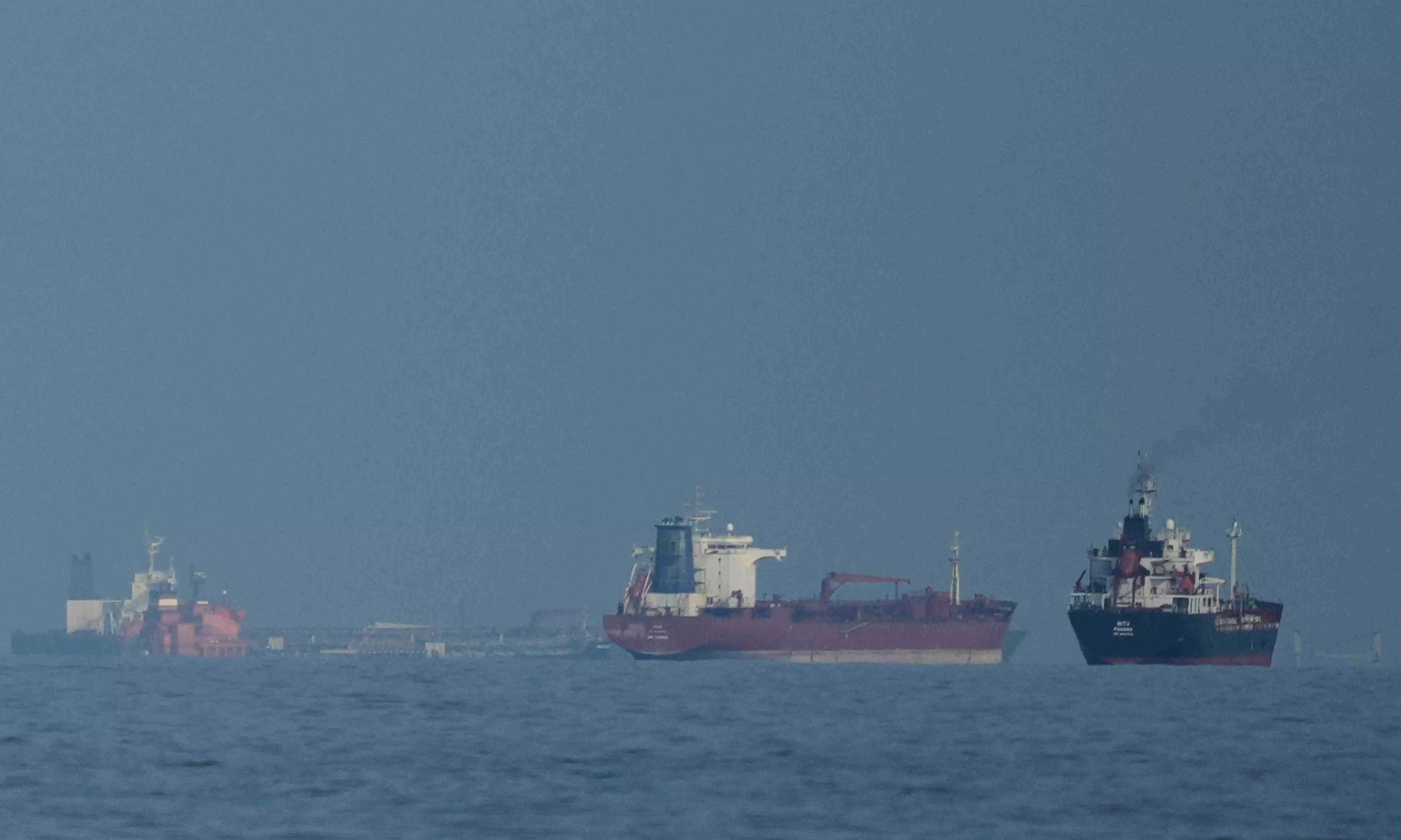
Hormuz block threatens not just oil and gas, but may disrupt global internet too
Subsea cables running through Hormuz and Red Sea chokepoints face rising risks as conflict escalates and maritime routes turn increasingly unsafe for global data flows

As the war involving the United States and Israel against Iran enters its third week with no clear end, a new worry has begun to surface. Iran has already moved to block the Strait of Hormuz, squeezing global energy supplies. But that’s not the only concern. Key undersea internet cables also run through these waters. As the conflict escalates into a phase where oil infrastructure is being targeted, the question now is whether Tehran could go a step further and disrupt global internet connectivity.
Internet backbone in danger
With the Strait of Hormuz already affected, attention is also turning to the Bab el-Mandeb strait in the Red Sea, where Iran-backed Houthi forces could pose a similar threat. These narrow waterways are not just vital for shipping, they are also critical routes for the world’s subsea cable network, which carries the bulk of global data traffic.
Also read | Iran war: Trump lit the fire, now wants the world to help extinguish it
Iran has reportedly laid sea mines in the Strait of Hormuz, prompting shipping companies and insurers to suspend operations until the waters are deemed safe. At the same time, Houthi fighters in Yemen have been targeting vessels in the Red Sea, effectively turning another key passage into a high-risk zone.
What makes this situation more serious is what lies beneath these waters. Both choke points sit atop a dense network of fibre-optic cables stretched across the ocean floor. These cables, though physically thin, span thousands of kilometres and carry nearly all global internet traffic, everything from emails and video calls to financial transactions and AI operations.
According to Capacity Global, as many as 17 submarine cables pass through the Red Sea alone, forming a major link between Europe, Asia and Africa.
Repair work nearly impossible
The Strait of Hormuz is equally significant. Data from TeleGeography shows that key cables in the Persian Gulf include AAE-1, FALCON, the Gulf Bridge International system and Tata-TGN Gulf. These routes are especially important for India’s international data connectivity.
Over the years, tech giants like Amazon, Microsoft and Google have invested heavily in building large data centres in Gulf countries such as the UAE and Saudi Arabia.
The idea has been to position the region as a major hub for artificial intelligence. These subsea cables are what connect those data centres to users and markets across Asia and Africa.
A map illustrating how Google's network of subsea cables connect the world.
With both strategic passages now under threat, carrying out repair work has become extremely difficult. Specialised ships that handle cable maintenance cannot safely operate in conflict zones. Any damage, whether from mines, accidents or deliberate attacks, could leave cables out of service for weeks or even months.
As Alan Mauldin of TeleGeography told Bloomberg, cable repair ships are unlikely to operate in areas with active military conflict due to the risks involved.
Past attacks signal risk
Past incidents highlight how disruptive this can be. In 2024, attacks linked to the Houthis, part of a broader campaign connected to the Israel-Hamas conflict in Gaza, damaged multiple cables in the Red Sea. This led to slower internet speeds in parts of Asia and Africa, with repairs taking months because ships could not safely access the area.
Doug Madory, director of internet analysis at Kentik, has also flagged the potential fallout. Speaking to Rest of World, he warned that if both chokepoints were disrupted at the same time, it would have a global impact.
Another factor adding to the vulnerability is geography. At its narrowest, the Strait of Hormuz is only about 200 feet deep, according to The New York Times, meaning the cables lie relatively close to the surface.
Also read | Iran war: Second LPG tanker reaches India after crossing Strait of Hormuz
While some of Iran’s naval assets in the region have reportedly been destroyed, the country is still believed to have underwater capabilities and vessels operating in the area.
Uncertainty looms over networks
It remains unclear whether Iran would actually target these cables, but the risk cannot be ruled out. Any damage would go far beyond temporary internet disruptions.
Critical systems, including banking networks, stock exchanges, hospitals and AI platforms, depend on these connections. Gulf countries would be hit first, but India could also face slowdowns due to its reliance on these routes.
Traffic between Europe and Asia would likely be rerouted along longer paths, leading to delays and congestion worldwide.
For now, the cables remain operational. But with mines in the water, attacks ongoing and repair crews unable to access the area, the level of risk is higher than it has been in a long time.