In a world where even people can be fabricated, skepticism is no longer a choice — it’s a necessity.
'Emily Hart' scandal: Why digital literacy is no longer optional
The story of fake influencer underscores a broader concern: the internet is entering an era where it is increasingly difficult to distinguish reality from fabrication

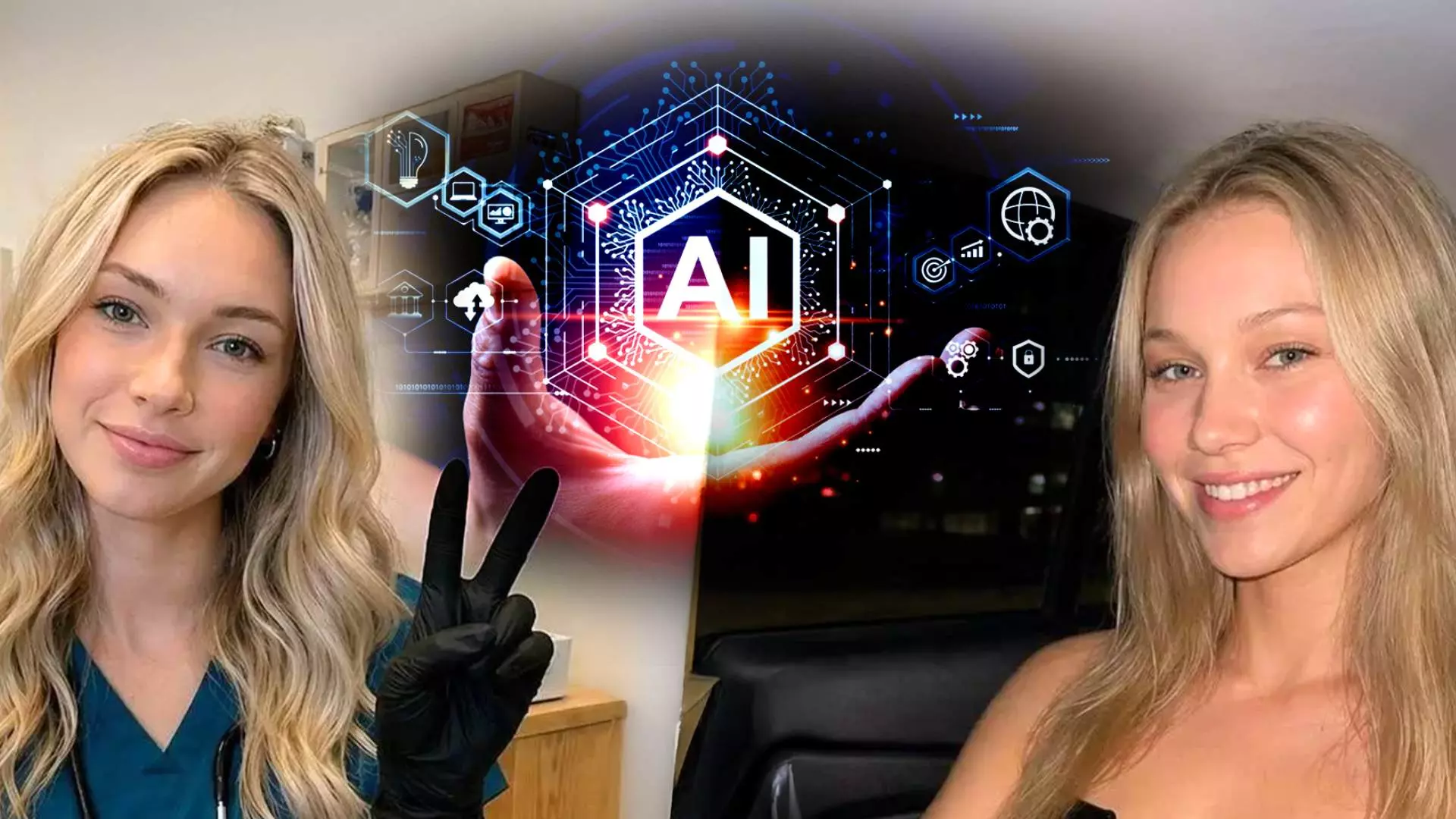
A young blonde woman posting political content supporting Donald Trump and MAGA has gained thousands of followers and millions of views online. But there’s a catch — she doesn’t exist. “Emily Hart", the influencer, was entirely created by a 22-year-old Indian medical aspirant using AI, turning a fake persona into a real money-making machine.
This case highlights a growing shift in the digital world where artificial intelligence is no longer just a tool for editing or automation, but for creating fully-believable human identities. With just a few AI tools and a strategic approach, the creator built an online personality that people not only followed but also engaged with and paid money to.
The story underscores a broader concern: the internet is entering an era where it is increasingly difficult to distinguish reality from fabrication.
AI realism
“AI is now dangerously convincing,” the speaker notes. It’s no longer limited to generating images — it creates faces that look real, personalities that feel authentic, and content that appears tailored for individuals.
Most users don’t question what they see because nothing appears obviously fake anymore. The line between genuine and artificial has blurred to the point where even skeptical viewers can be misled.
Also Read: FM meets heads of banks on AI risks following concerns over Anthropic's Mythos
This level of realism is what makes such AI-driven personas so powerful — and potentially dangerous.
Algorithm game
“This wasn’t luck. This was pure strategy,” explains the speaker. The creator used AI tools to analyse audience behaviour, identify target demographics, and optimise engagement.
In this case, the content was tailored to appeal to a specific group: “Trump’s MAGA followers — wealthy, white, older men — ready to lap up any anti-democratic content.”
Also Read: Indian student created pro-Trump Influencer ‘Emily Hart’ with AI, earned thousands online
The result was explosive growth, with millions of views and rapid follower accumulation — all without a real person behind the account. “Going viral today isn’t about truth. It’s about gaming the system.”
Creator impact
The rise of such AI influencers raises serious questions about the future of genuine content creators. “Real creators spend years building trust,” the speaker says, but AI-generated personalities can achieve similar or greater success in a fraction of the time.
Without burnout, personal risk, or limitations, AI can continuously produce content at scale, making it harder for authentic creators to compete.
This shift could fundamentally alter the creator economy, where speed and strategy may outweigh authenticity and effort.
Scam risks
“This goes beyond influencers,” the speaker warns. The same technology can be used to create fake experts, activists, or even news voices.
By adding detailed backstories, these AI-generated personas become even more convincing, increasing the risk of misinformation and manipulation.
Also Read: CJI Surya Kant urges judiciary to use AI with caution, not fear
“If people are willing to engage and pay, this becomes a business model,” the speaker adds, highlighting the financial incentives behind such creations.
Need for digital literacy
The final takeaway is clear: “Digital literacy is no longer optional.” In an AI-driven internet, users must actively question what they see.
“It’s about questioning everything — who created it, is this real, and why is this showing up on my feed?”
Also Read: AI-driven political campaigns heat up Tamil Nadu 2026 election battle
The speaker concludes with a warning: “Being a trusting user is the biggest risk.”
In a world where even people can be fabricated, skepticism is no longer a choice — it’s a necessity.
(The content above has been transcribed from video using a fine-tuned AI model. To ensure accuracy, quality, and editorial integrity, we employ a Human-In-The-Loop (HITL) process. While AI assists in creating the initial draft, our experienced editorial team carefully reviews, edits, and refines the content before publication. At The Federal, we combine the efficiency of AI with the expertise of human editors to deliver reliable and insightful journalism.)