‘Martyr’ or ‘tyrant’: How world’s major media outlets see Khamenei’s killing
The assassination of Iran’s Supreme Leader Ayatollah Ali Khamenei has drawn sharply different reactions worldwide, with some calling him a martyr, others a tyrant, and many warning of instability in the Middle East

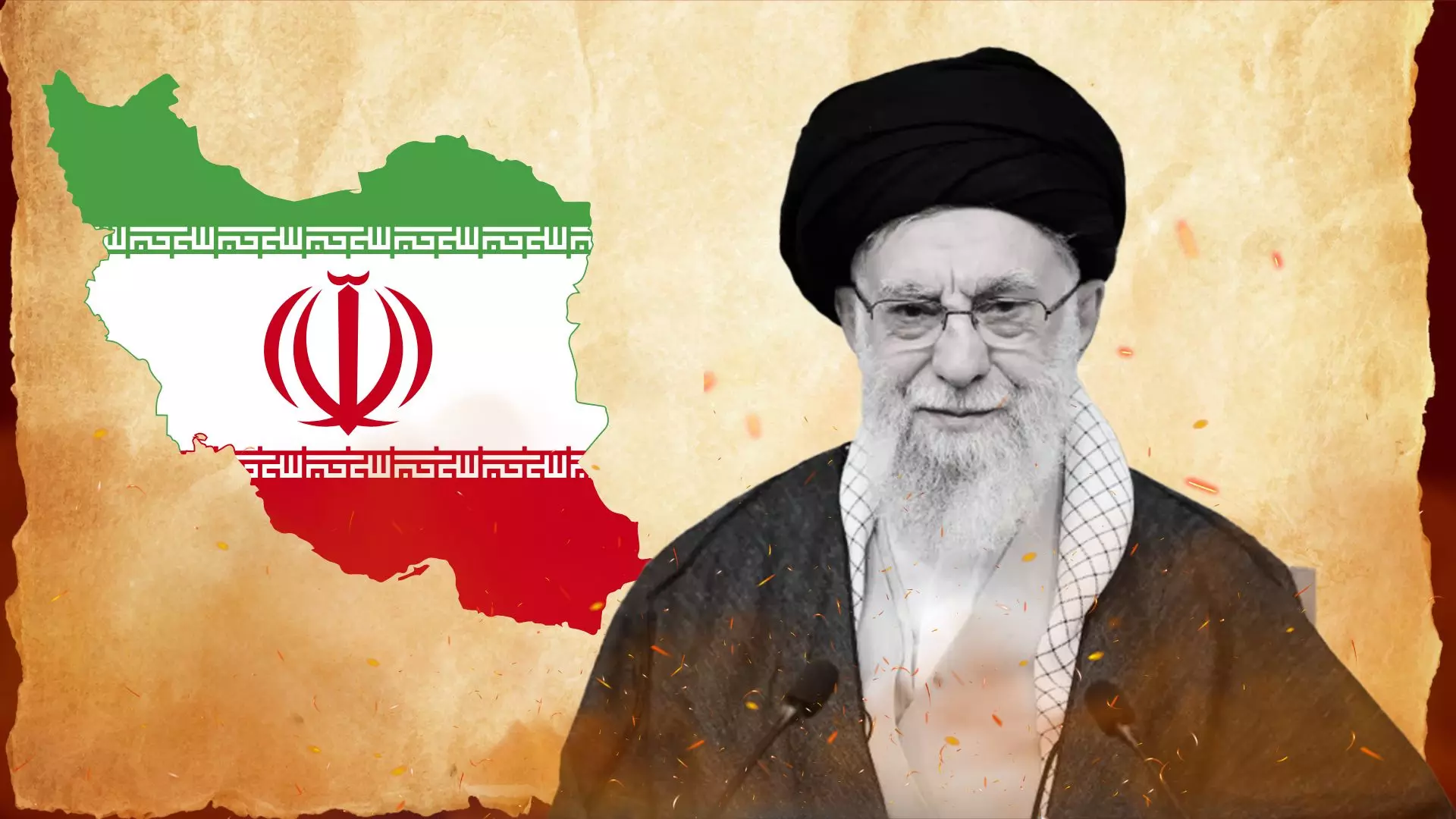
As the second Supreme Leader since the 1979 Islamic Revolution, Ayatollah Ali Khamenei (1939-2026) inherited the mantle from Ayatollah Ruhollah Khomeini (1902-1989) and ran Iran with authoritarian control. His rule saw Iran challenge global powers through its nuclear programme, support for groups like Hezbollah and the Houthis, and crackdowns on protests that claimed thousands of lives. However, his assassination — termed by some as “justice” and by others as “an illegal act of war” — has prompted a chorus of editorials from major media outlets worldwide. A survey of media outlets across the United States, Israel, Iran, Europe, and Asia reveals sharply contrasting portrayals of Khamenei: while some depict him as a “martyr”, others have called him a “tyrant.”
In the US, where Khamenei’s hostility toward “the Great Satan” was a constant refrain, editorials largely described his death as the overdue reckoning of a despotic regime. The New York Times, a bastion of liberal journalism, led with scathing critiques. In “The Man Who Destroyed Iran,” published on February 28, the paper’s guest Opinion writer, Karim Sadjadpour, a senior fellow at the Carnegie Endowment for International Peace, lambasted Khamenei’s 37-year reign as one of “insecurity and brutality,” arguing that his paranoia about US and domestic threats led to Iran’s isolation and economic ruin.
Also read: Salman Rushdie’s The Satanic Verses unbanned in India: Why it must be read
The piece traced his rise from an unassuming cleric in 1989 to a regional powerbroker who dominated Syria, Lebanon, Iraq, Yemen, and Gaza, only to overreach and invite his downfall. The Times tempered triumph with foresight in its March 1 editorial, “A Tyrant Falls. Dangerous Uncertainty Begins,” warning that Trump’s campaign risks “chaos and violence” without a clear post-Khamenei strategy. It underlined that while “no one should mourn the death of a dictator,” the strikes could exacerbate Iran’s internal divisions, echoing the instability following US interventions in Iraq and Libya.
Liberals fear escalation, conservatives see opportunity
The Washington Post, often critical of Trump’s foreign policy, which recently saw a bloodbath, described by Martin Baron, its executive editor until 2021, as “among the darkest days in the history of one of the world’s greatest news organizations” and as “Jeff Bezos’s sickening efforts to curry favor with President Trump,” focused on the human and systemic costs. Its obituary on February 28 described Khamenei as a “hard-line cleric” who turned Iran into a “regional powerhouse” through repression and confrontation, but at the expense of his people’s freedoms.
An editorial the next day, “Who Runs Iran Now?,” explored the opaque succession process, noting the formation of an interim council amid wartime pressures. The Post highlighted celebrations in Iranian streets alongside mourning crowds, underscoring a divided nation. It cautioned against US overreach, arguing that Khamenei’s killing might unify hardliners rather than fracture the regime, potentially prolonging the conflict.
Also read: Who is Mojtaba Khamenei, Iran's new Supreme Leader?
The Wall Street Journal, with its conservative tilt, viewed the event as a strategic victory. In “Khamenei's Death Leaves Iran at Historic Turning Point — Without a Clear Successor,” the paper detailed the power vacuum, suggesting the strikes could accelerate regime change. Another piece, “Iranians Mourn — and Celebrate — Khamenei’s Death,” captured the duality: loyalists in black-clad processions versus jubilant protesters setting off fireworks. The Journal’s editorial board praised the operation as a blow to Iran’s “axis of resistance,” but urged sustained pressure to prevent a hardliner resurgence, aligning with Trump’s calls for Iranians to overthrow the Islamic Republic.
The Israeli/Iranian perspectives
Khamenei repeatedly called for the Jewish state’s destruction. Haaretz, the Israeli newspaper known for its left-leaning stance, offered nuanced criticism. In “The War in Iran Is Justified, Assassinating Khamenei Is Not,” the paper argued that while confronting Iran’s nuclear ambitions and proxies is defensible, targeting a head of state sets a dangerous precedent. The opinion piece questioned the ethics: “A country envisioning its future does not assassinate leaders,” warning it could invite retaliation against Israeli Prime Minister Benjamin Netanyahu. Another Haaretz editorial, “Khamenei’s Successors Are Showing No Signs of Surrender,” noted Iran’s vows of revenge, predicting intensified proxy attacks from Hezbollah.
The Jerusalem Post, more hawkish, celebrated the strike as a triumph over “political Islam.” Its opinion piece, “Iran’s Magnificent Failure of Political Islam: A Reflection on Khamenei’s Death,” portrayed Khamenei as a Holocaust denier whose “death to America” chants masked a failed ideology. The Post lay stress on his role in funding anti-Israel militias, arguing his elimination exposes the regime’s vulnerabilities. An accompanying editorial on world reactions focused on global divisions, with allies like Russia condemning the “murder.”
The cover of The New York Times on March 1
The Times of Israel echoed this, but with caution. In “Israel and America Killed Khamenei, but Killing a Leader Is Not Killing a Regime,” a blog post warned that martyrdom could galvanise Shia supporters, framing his death as a “potent narrative.” The site’s obituary described Khamenei’s “brutal rule” built on “fiery hostility” to Israel, while an analysis on succession predicted opacity and potential Islamic Revolutionary Guard Corps (IRGC) dominance. A senior official’s quote — that Khamenei’s death “makes Middle East peace possible” — reflected optimism, but editorials stressed vigilance against Iranian retaliation.
Israeli media, thus, justify the action as self-defense but grapple with its long-term risks, which only shows how the country is weary of perpetual conflict. In Iran, there were very few overt editorials, with state outlets limiting themselves to condemnation. Links to the Tehran Times, the first English daily newspaper printed after the 1979 Islamic Revolution and aligned with the regime, showed a 504 error. However, past pieces on Khamenei’s leadership — such as comparing him to Khomeini — suggest a narrative of continuity. State broadcaster IRNA confirmed the killing, vowing “severe punishment” for the “murderers” and calling Khamenei a martyr defending against “global arrogance.” Khamenei’s path, as Foreign Minister Abbas Araghchi has said, “will continue.”
European analyses and Asian reaction
European media outlets viewed the assassination with alarm. The Guardian’s editorial, “The Guardian View on Trump’s Iranian Campaign: An Illegal War That Risks Becoming the New Normal,” condemned the strikes as a “cynical violation” of norms, arguing regime change via air assault rarely succeeds. It noted dual Irans: joyous protesters versus mourning crowds, predicting breakdown without direction change. UK Defence Secretary John Healey commented that “few will mourn” Khamenei, but the paper urged restraint.
Also read: Iran after Khamenei and its possible impact on the world | AI With Sanket
The BBC’s coverage, including podcasts like “What Next for Iran?,” expressed scepticism on regime collapse. An article questioned congressional approval for the war, noting Trump’s “more casualties” warning. Le Monde, in France, in a piece titled “Ali Khamenei’s Death Exposes the Dead End of a System” argued his fall ends revolutionary doctrine, leaving a “profound uncertainty.” Another piece detailed the US-Israeli “shadow war” culminating in the strike, while noting the regime’s scramble for survival.
In Asia, responses varied by geopolitics. Al Jazeera, based in Qatar, explored succession in “Who Could Succeed Ayatollah Ali Khamenei?” and “Iran After Khamenei,” viewing his death as potential martyrdom fuelling resistance. Editorials warned US-Israeli interests might diverge, with “pragmatists” like security Chief Ali Larijani threatening Trump of a long war. The South China Morning Post reported outrage in Muslim Asia, with protests in Karachi and calls for dialogue from Malaysia’s Anwar Ibrahim.
An obituary lauded Khamenei’s defiance, while letters urged stability for Iranians. “Will Iran Collapse Without Khamenei?” expressed short-term stability but long-term strains. The Times of India, in “After Ayatollah...,” described the regime in “survival mode,” linking the strike to October 7, 2023, Hamas attacks that weakened Iran’s proxies. A beginner’s guide framed it as a “butterfly effect” reshaping the Middle East.