How India’s EU and US trade pacts compare with the 1991 liberalisation
1991 reforms opened up industry, created a middle class and reduced poverty; India is being opened up once again, this time through trade, says S Srinivasan

India’s newly announced trade agreements with the European Union and the United States could mark the country’s most far-reaching economic reform since the landmark liberalisation of 1991, according to The Federal’s Editor-in-Chief S Srinivasan.
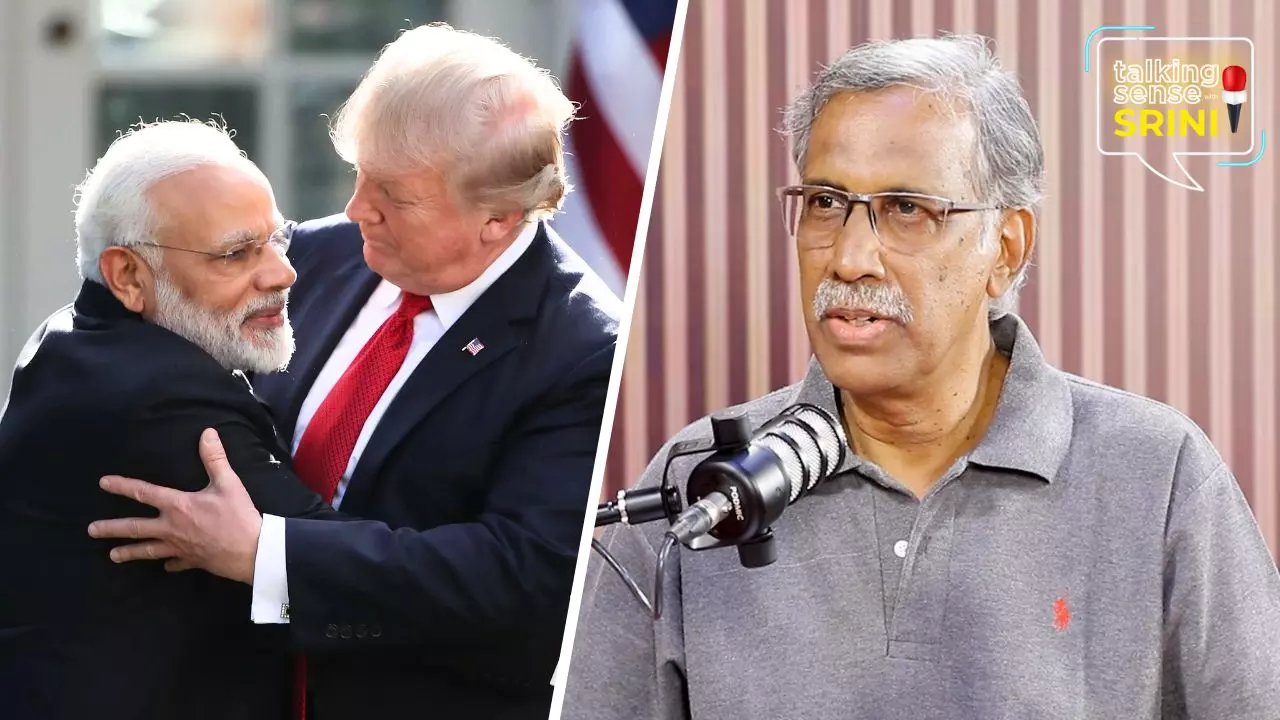
Speaking on The Federal's flagship YouTube programme Talking Sense With Srini, Srinivasan said the twin deals signal a decisive reopening of India’s economy, comparable in scale and impact to the reforms that dismantled licence controls, liberalised foreign exchange and transformed consumer choice three decades ago.
1991 vs 2026 for Indian economy
“The 1991 reforms were breathtaking in their sweep. They opened up industry, created a middle class and reduced poverty dramatically,” Srinivasan said. “What we are seeing now is India being opened up once again, this time through trade.”
For consumers, Srinivasan said, the impact would be greater choice, from automobiles and motorcycles to wine and dairy products, albeit within quotas and safeguards. For the domestic industry, however, the challenge will be far more intense.
Pragmatism over ideology
He was particularly critical of the shift away from a multilateral, rules-based trade order, under the World Trade Organisation (WTO), towards bilateral power-driven negotiations led by US President Donald Trump. While Washington cut tariffs on Indian goods from a punitive 50 per cent to 18 per cent, Srinivasan cautioned that overall duties remain far higher than before.
“India is not celebrating because tariffs fell,” he said. “It is relieved because, relative to competitors such as Vietnam and Bangladesh, it is now slightly better placed.”
Where compromise is unlikely