



Strait of Hormuz crisis: How insurers, not missiles, shut down world’s oil artery
The Strait of Hormuz hasn't closed because of Iranian attacks. It's closed because the global insurance market pulled out

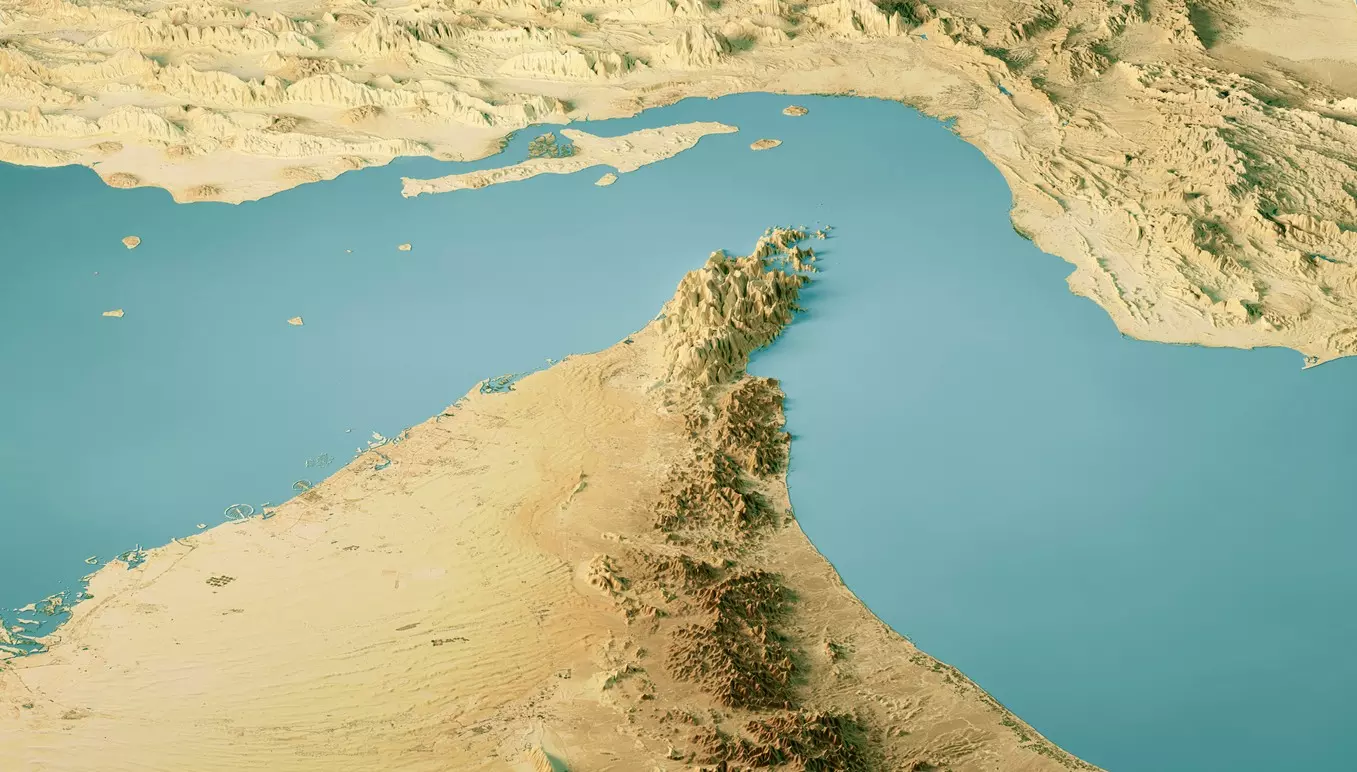
The Strait of Hormuz, a narrow waterway between Iran and Oman, is the single most important artery in global energy trade. Roughly 15 to 20 per cent of the world's oil supply and around 20 per cent of global LNG shipments pass through it every day. When it stops working, the world feels it almost immediately, in fuel prices, in fertiliser costs, in power supply, in food.
Right now, it has effectively stopped working even as Iran on Thursday (March 5) clarified that the closure was only for the US, Israel, Europe and their allies. While the US-Israel vs Iran conflict was the starting point of the ongoing crisis in the Strait, the larger cause has to do with a bunch of insurers in Europe more than the war planes and bombings.
It was never about just missiles
Energy economists and experts claim that the disruption was triggered not by the ongoing military action, but by a financial shock that froze shipping almost overnight. According to a reports, major European and global insurance companies suddenly cancelled war risk coverage for vessels in the Strait of Hormuz or raised premiums so sharply that shipowners simply stopped sailing.
Also Read: Live! Second Iranian ship seeks urgent help from Lanka; Azerbaijan joins war-hit countries
A social media post of Texas-based legal and insurance analyst Marc Gravely read, "The Strait didn't close because of missiles. It closed because the insurance market collapsed," he wrote, pointing to the withdrawal of cover by marine insurers and reinsurers in London.
Experts say the scale of the crisis is unlike anything the global energy market has faced before. While shipping disruptions are not new, analysts warn that this one is different, touching not just crude oil but refined products, LNG, natural gas liquids, fertilisers, methanol and a wide range of other petroleum derivatives simultaneously.
What is the insurance cover for?
War risk insurance protects ships and their cargo against losses caused by conflict, including missile strikes, mines, seizures and other hostile acts. Without it, shipowners cannot legally or financially justify sending vessels into high-risk waters. When insurers withdraw cover or make premiums unaffordable, ships simply stop sailing, regardless of whether a single shot has actually been fired at them.
Trump steps in with a chequebook
Washington's response has been telling. Rather than relying solely on military force to reopen the strait, President Donald Trump ordered the United States Development Finance Corporation to step in where private insurers have refused to go.
"Effective immediately, I have ordered the United States Development Finance Corporation to provide… political risk insurance and guarantees for the financial security of all maritime trade, especially energy, traveling through the Gulf," Trump wrote on social media, adding that the US would ensure the "free flow of energy to the world."
Also Read: What is the ‘doomsday missile’ that US tested amid Iran war escalation?
The move is one of the most aggressive attempts by a government to replace global marine war-risk insurance during an active conflict. "The DFC is stepping into the void that Lloyd's and the London reinsurance market created when they pulled out," he said.
White House Press Secretary Karoline Leavitt confirmed that naval escorts were also on the table. "The President said if necessary and when appropriate, the US Navy will begin escorting tankers through the Strait of Hormuz," she said.
But naval escorts come with a catch
The idea of US Navy escorts may sound reassuring, but it could quietly serve American economic interests more than the global interests.
Also Read: Iran war stalls trade, threatens global supply chains; 3,200 ships idle inside Persian Gulf
Military escorts may reduce the risk of attacks, but they increase transport costs, insurance premiums and delays — effectively raising the cost of exporting oil and LNG from the Gulf.
India caught in the crossfire
Few countries have more to lose from a prolonged Hormuz shutdown than India. About a quarter of India's fertiliser imports transit the strait, and the country's fertiliser industry relies heavily on imported Gulf gas and oil.
With LNG supply tightening, particularly from Qatar, Indian authorities have already ordered fertiliser producers to reduce natural gas consumption. The timing is particularly painful, with the disruption unfolding just ahead of India's key planting season.
According to reports, India would then be forced to import more fertilizers from the US, which has been one of the long-sought goal of the country. Added to the woes is the volatility of the energy markets.
Experts have also warned of severe hike of oil prices that could surge above 100 dollars per barrel, that would have an cascading effect on the market and essential goods.
Amid the fear and confusion, Iran’s Revolutionary Guard has announced that the Strait of Hormuz is closed only to vessels from the US, Israel, Europe and allied nations. The statement, broadcast on state TV, warned that any such ships entering the waterway “will certainly be hit.” The IRGC said Iran reserves the right to regulate passage during wartime under international law.
So, while the strait may reopen, the insurance market, and the geopolitical calculations behind it, may take far longer to settle.