



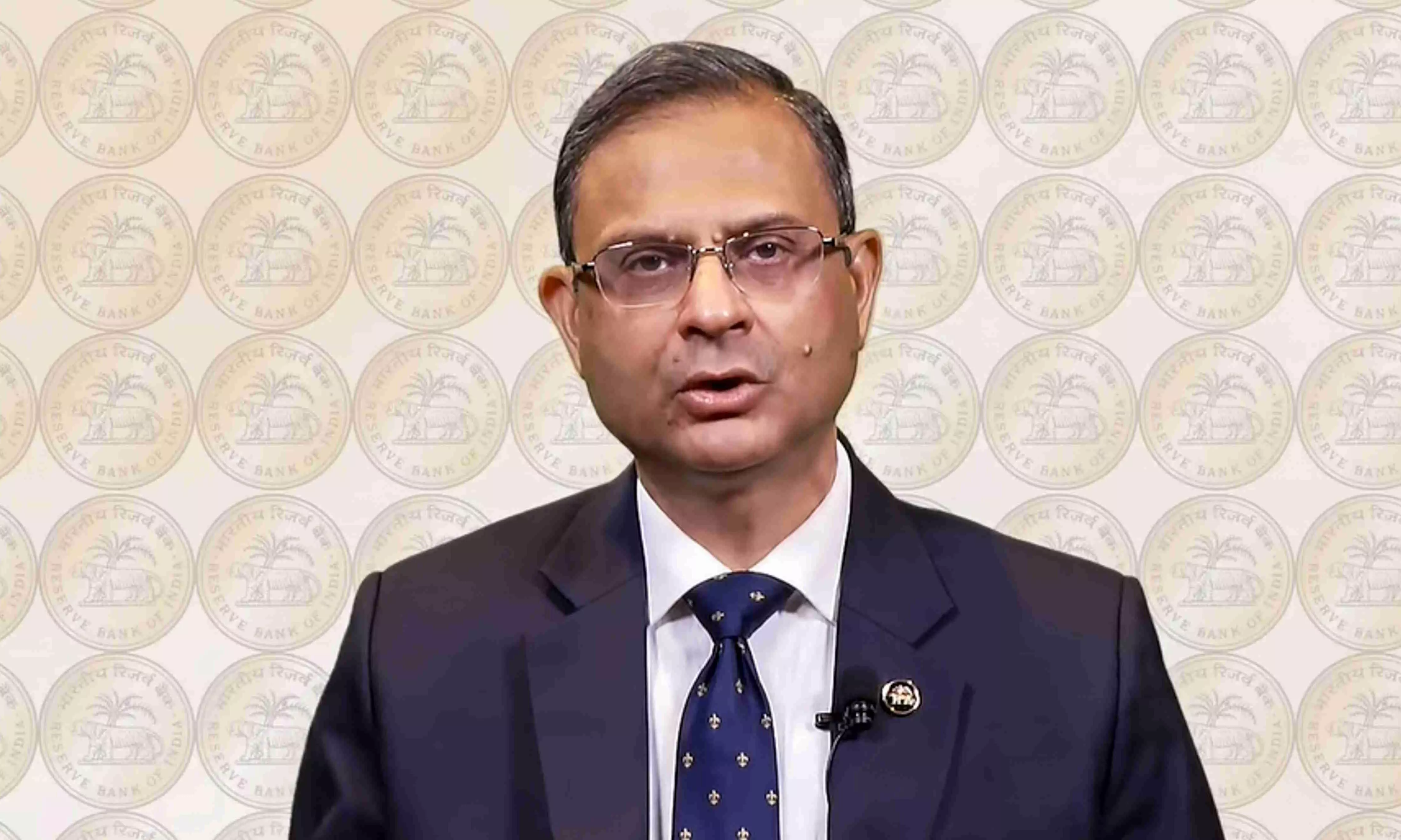
Why RBI may keep repo rate unchanged, adopt hawkish tone on inflation
With rate decision largely priced in, investors will focus on RBI's assessment of inflation, liquidity, the rupee and external risks for clues on where policy heads next

The Reserve Bank of India (RBI)’s Monetary Policy Committee (MPC) is widely expected to leave the repo rate unchanged at 5.25 per cent on Wednesday (August 5), extending its pause for a third consecutive meeting as Governor Sanjay Malhotra's panel balances inflation that has edged above target against slowing growth and an uncertain global backdrop. With the rate decision largely priced in, investors will focus on the RBI's assessment of inflation, liquidity, the rupee and external risks for clues on where policy heads next.
Why MPC may not raise repo rate
The case for holding rates is straightforward. Retail inflation rose to 4.38 per cent in June, breaching the RBI's 4 per cent medium-term target for the first time since January 2025, largely due to higher food prices. Under normal circumstances, that would strengthen the case for a tighter policy.
Also read: RBI holds rates as rupee nears psychological 100-mark; GDP forecast cut to 6.6 pc
However, policymakers are unlikely to view a single month's inflation print as sufficient reason to reverse the easing cycle, especially after cutting rates by a cumulative 125 basis points through 2025 to support growth. With domestic demand still requiring support and global uncertainty elevated, most economists expect the MPC to leave rates unchanged while adopting a more hawkish tone on inflation.
Geopolitics, oil price uncertainties
Geopolitics has become a more significant factor in the policy calculus than usual. Brent crude has retreated from the highs seen during the US-Iran conflict earlier this year and is now trading in the high-$80s a barrel. Even so, the risk of renewed supply disruptions remains, and India imports more than 80 per cent of its crude oil requirements. Any fresh spike in oil prices would quickly feed into imported inflation, reinforcing expectations that the RBI will stick to a data-dependent, wait-and-watch approach rather than signal any immediate policy shift.
Fall in rupee, forex reserves
The rupee remains another source of concern. The currency weakened to near-record lows of around 96 to 97 against the dollar in May as the conflict intensified, prompting the RBI to intervene through spot dollar sales, forex swaps and buy-sell auctions. Those measures helped the rupee recover to around 95.3 by early August, although it remains more than 8 per cent weaker over the past year.
Also read: India’s real economic crisis is structural, not oil shock: Surjit Bhalla
The interventions also contributed to a decline in India's foreign exchange reserves from a record high of about $728.5 billion in February to around $682 billion in late July, even though reserves have begun recovering in recent weeks. While a rate hike could, in theory, support the currency by improving interest rate differentials, the MPC has so far shown little willingness to sacrifice growth solely to defend the rupee.
All eyes on MPC’s decision
Beyond the policy rate, Wednesday's real story will be the RBI's guidance. Economists expect the central bank to retain its "neutral" stance while sounding more vigilant on inflation, and to keep its FY27 growth forecast around 6.6 per cent even as it highlights global risks. Markets will also watch for any change in the RBI's assessment of liquidity conditions, the outlook for oil prices and whether policymakers indicate that the easing cycle has effectively run its course.
Also read: Why India's tough economic reality can't be ignored anymore | Talking Sense With Srini
With the next policy review not due until October, Malhotra's press conference is expected to provide the clearest indication of how the MPC is likely to respond if inflationary pressures persist or external risks intensify.