India’s branded residences boom faces the bigger test beyond the launch
India’s branded residences boom gathers pace as luxury brands target affluent buyers, but premium pricing, execution and upkeep will test staying power

India’s luxury housing market is increasingly becoming a battleground for global brands, as developers seek to differentiate projects through international design credentials, lifestyle partnerships and premium residential experiences. Despite concerns over affordability and the sustainability of luxury housing demand, branded residences remain firmly on developers’ radar.
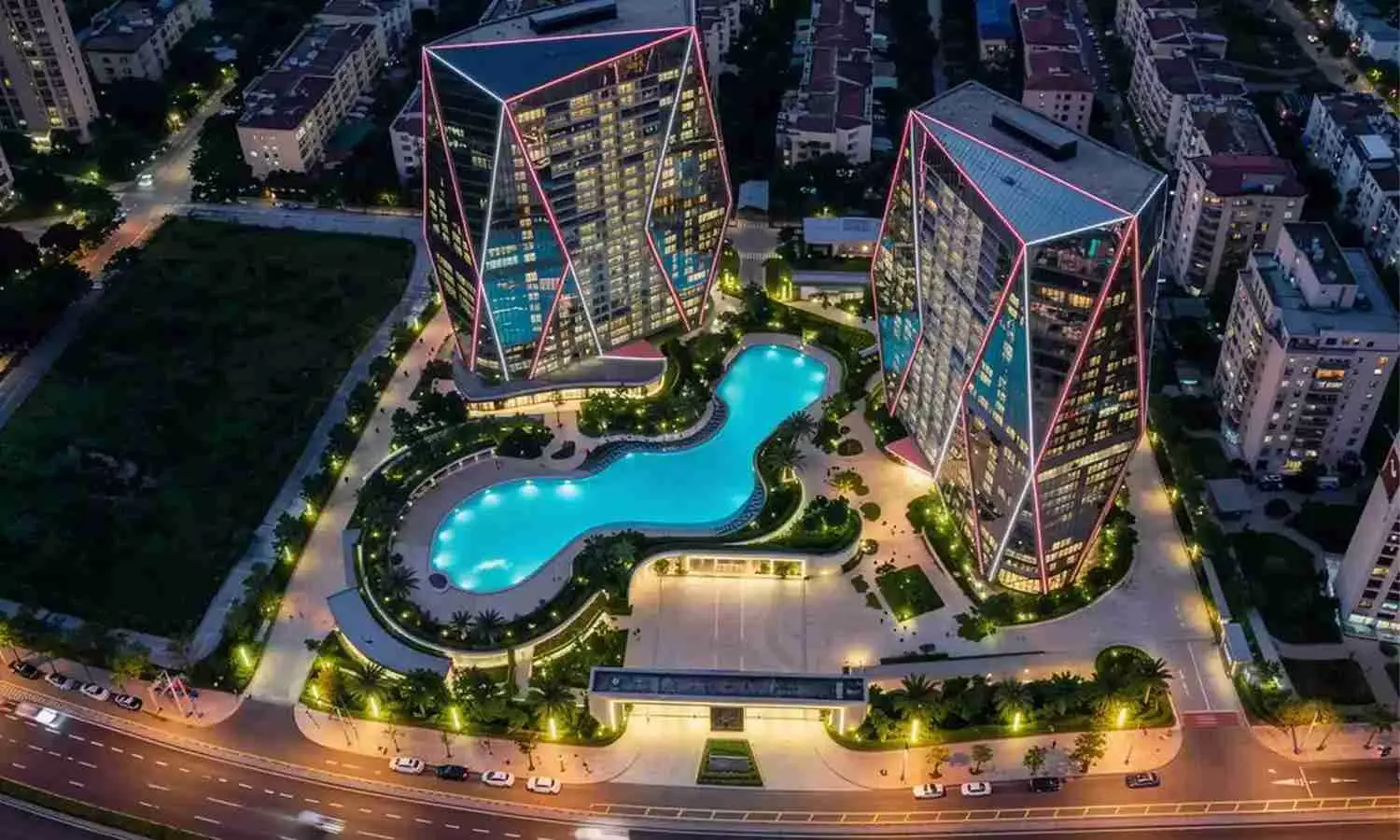
The latest signal comes from Gurugram, where Signature Global and Tonino Lamborghini have announced the complete sell-out of Phase 1 of Tonino Lamborghini Residences. The project, spread across 12.40 acres on Southern Peripheral Road, will comprise 812 homes across two phases, with Phase 2 expected to launch soon.
Also read: India's realty investment hits Rs 57,917 crore, but affordable housing lags
The sell-out highlights the appetite for differentiated luxury housing, but it also raises a larger question: Can branded residences sustain their momentum beyond the initial wave of launches?
A market attracting more developers
India’s branded residences market is expanding rapidly. According to a report by Global Branded Residences published earlier this month, the country has 61 branded residential schemes, including 24 completed projects and 37 in the pipeline. India ranks third in Asia-Pacific by the number of schemes.
Unlike several international markets, where hotel operators dominate, India’s segment has been driven substantially by non-hospitality brands associated with fashion, design and lifestyle.
For developers, the appeal is straightforward. A recognised international name can distinguish a project in an increasingly competitive luxury housing market, strengthen its positioning and potentially support premium pricing. For brands, residential partnerships offer another revenue stream and an opportunity to extend their identity into consumers’ everyday lives.
Also read: Dubai South housing boom offers Indian buyers an opportunity but supply-surge test looms
The timing is significant. Developers across major Indian cities have increasingly shifted towards premium housing, responding to demand from affluent households even as affordability pressures weigh on other segments.
The premium comes with a price
Branded residences, however, are not simply conventional luxury apartments with an international logo attached. The proposition rests on design, exclusivity, service standards and the credibility of the brand-developer partnership.
That differentiation comes at a cost. Brand licensing, specialised interiors, premium amenities and operational requirements can increase development expenses. Residents may also face higher maintenance charges to sustain concierge services, landscaped spaces and other facilities.
According to a September 2026 analysis by CRE Matrix and NOESIS, branded residences command premiums of 25–44 per cent over comparable projects, depending on the market.
Also read: India’s plot developers turn to partnerships to tap growth beyond apartment towers
Such premiums make commercial sense only if buyers perceive lasting value. A brand name alone cannot guarantee superior construction, timely delivery or better resale prospects.
Execution remains the real test
The segment also carries risks that marketing-led launch numbers may not immediately reveal.
First, demand for high-ticket homes is sensitive to pricing, even among wealthy buyers. A strong launch response does not necessarily establish the depth of demand across subsequent phases or competing projects.
Second, developers must translate brand promises into a consistent residential experience. Design-led branding and hospitality-led residences offer different propositions, and buyers may not always value extensive services enough to justify their recurring costs.
Third, the relationship between the developer and the brand matters. Construction, approvals, delivery timelines and local execution remain the developer's responsibility. A globally recognised name cannot eliminate these risks.
Also read: Real estate deals slump 69 pc: What it means for homebuyers and investors
Resale liquidity is another consideration. The premium paid at purchase may not be fully recoverable if the market changes, competing branded projects increase supply or buyers place greater emphasis on location and construction quality than branding.
Growth, but not without discipline
For developers, branded residences offer a route to capture a larger share of India’s expanding luxury housing market. Yet the opportunity is unlikely to be uniform across locations, price points or brands.
The next phase of growth will depend less on the number of international partnerships announced and more on whether these projects deliver a credible, differentiated product at a price buyers are willing to sustain.
The sell-out of Tonino Lamborghini Residences’ first phase suggests that branded luxury housing has buyers. Whether the segment can convert that initial enthusiasm into enduring demand will depend on execution, pricing discipline and the ability to deliver value long after the sales launch.