



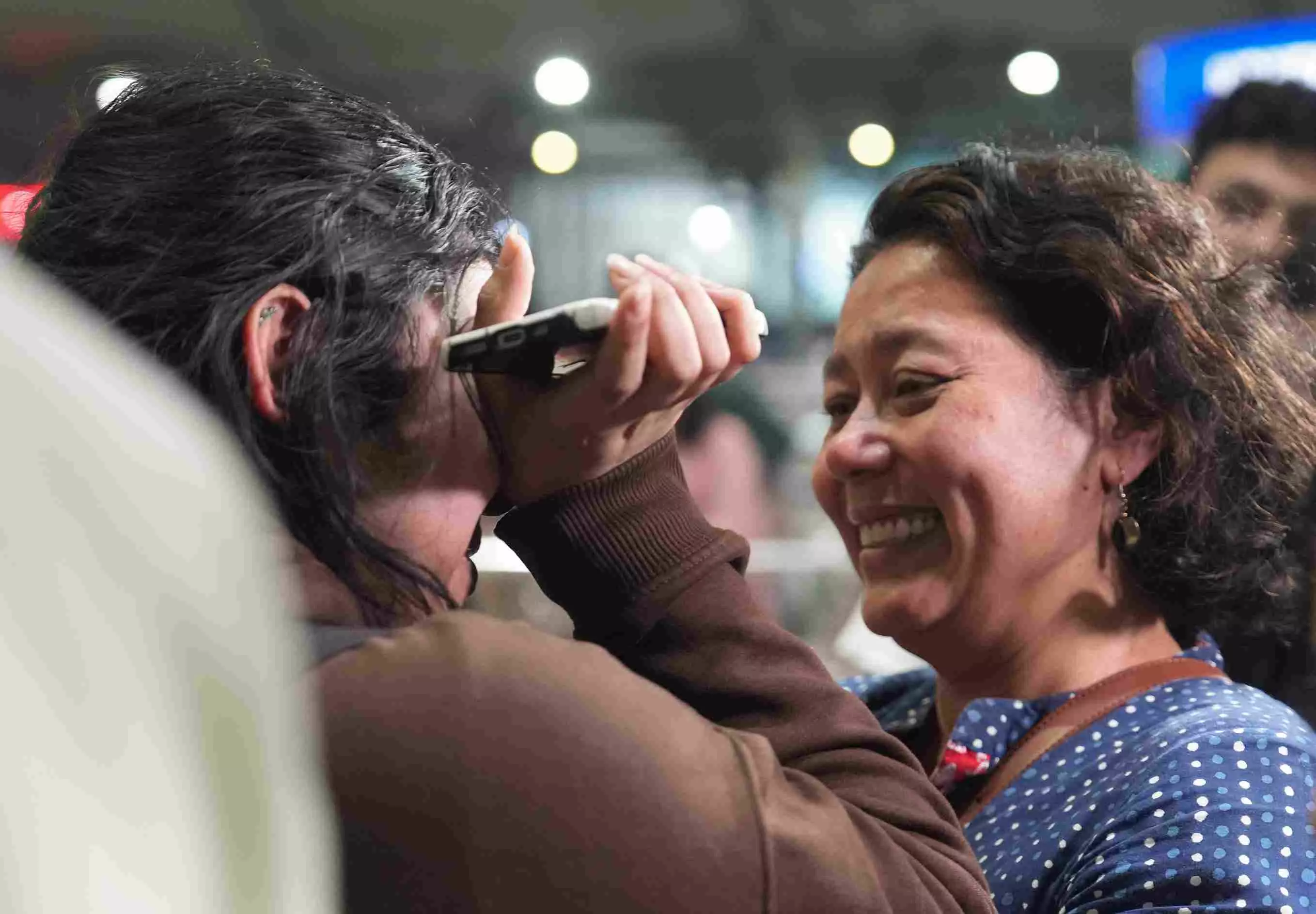
Between fear and hope: Living through the Gulf crisis as tensions reshape daily life
Flights, gatherings and daily routines pause as residents across the Gulf navigate sirens, misinformation and heightened emergency precautions

When tensions between Iran and the Gulf Cooperation Council (GCC) escalated and the crisis stretched into nearly a week, a heavy sense of uncertainty settled across the region. What began as breaking news quickly turned into sleepless nights, constant alerts, and anxious phone calls. Fear and confusion moved faster than facts, and for many residents, life seemed to pause all at once.
Also read | Gulf conflict leaves thousands stranded while wealthy pay huge sums for private flights
The Gulf countries are home to one of the largest Indian diaspora communities in the world. Thousands of families live between two homes, working in the GCC while their hearts remain in India. Many fathers had been counting the days to their long-awaited vacations. Children were eagerly waiting for summer holidays so they could finally spend a few precious weeks with their fathers who return home only on short visits. Pregnant women, elderly parents, patients undergoing treatment, and students preparing for exams suddenly found themselves surrounded by uncertainty.
Tensions cast shadow on Ramadan
The timing made the situation even more distressing. The region is always busy during Ramadan, when airports are filled with families travelling home for Eid celebrations. Carefully planned travel schedules, reunions, and moments families had saved for months were suddenly disrupted. For a while, everything seemed to slow down: flights, movement, routines, and even celebrations.
Ramadan is also a time when communities come together. Across the Gulf, Indian associations and cultural groups usually organize large iftar gatherings where people meet, reconnect, and share meals. Many of these gatherings were cancelled. Charitable initiatives that distribute iftar kits to low-income workers were also paused in some areas. For many migrant workers, Ramadan is a time when zakat and community donations help them manage financial difficulties. The interruption of these activities has therefore been deeply felt.
Questions remain about the situation of workers who live or work far from city centers. Gig workers, delivery riders, and laborers in remote industrial zones or desert areas may not always have immediate access to alerts or safe shelters when sirens sound. Their safety during sudden emergencies continues to be an important concern.
Resilience through humour online
Yet, amid the tension, there have been small signs of resilience. Some services in the region have gradually resumed, offering a cautious sense of hope. Many residents are reminded that this is not the first crisis the region has faced. The COVID-19 pandemic, for example, forced communities to adapt to uncertainty and disruption. Still, this situation feels different because the threat appears more immediate and unpredictable.
At the same time, something unexpected has emerged from this tense week: creativity. Amid sirens, breaking news alerts, and constant uncertainty, many people have turned to humour. Social media platforms are filled with memes and relatable posts that reflect shared anxiety and the strange normality of living between panic and patience. For many residents, humour has become a coping mechanism. It offers a brief moment of relief, allowing people to smile even during stressful hours.
For many in the Indian diaspora, this creativity is also a response to how certain sections of the media portray the situation. Some television channels repeatedly broadcast dramatic visuals that make the region appear like a full war zone. When parents and relatives in India see such intense coverage, their worry increases. In that context, humour online becomes a quiet reassurance, a subtle way of saying, “We are safe. We are managing.”
Emergency alerts demand caution
However, while creativity offers comfort, it is important not to become too casual about the risks. There have been instances of people standing along roadsides watching drones or missile interceptions as though they were public events. Such behavior is extremely dangerous. Authorities have clearly advised residents to remain indoors whenever sirens are activated and to step outside only after the official “end of danger” signal is announced.
If someone is driving when an alert occurs, they are advised to calmly pull over to the side of the road and remain inside the vehicle until it is safe to continue. Those at work are expected to follow their building’s emergency procedures and safety protocols without hesitation.
Officials have also stressed the importance of staying away from windows and open spaces during alerts. Shattered glass and falling fragments can cause serious injuries. In situations where evacuation becomes necessary, residents are instructed to use designated emergency exits and avoid elevators, as power failures could trap people inside.
Safety guidelines for households
At home, families are encouraged to prepare basic emergency kits with essential supplies. These include drinking water for several days, non-perishable food, first-aid materials, essential medicines, flashlights, batteries, power banks, and copies of important documents such as passports and civil identification cards.
Authorities have also warned people not to approach or touch debris that may fall after interceptions. Such debris may contain sharp metal fragments that can cause deep injuries, unexploded components that might still detonate, toxic fuel residues, or extremely hot surfaces capable of causing burns. What may appear harmless from a distance can carry serious hidden risks.
Also read | Shaken but relieved, many Indians return from Gulf; 9,000 remain stuck in Iran
Another important safety instruction concerns photography and sharing images online. Authorities in several countries have advised residents not to photograph or film sensitive locations, military movements, or emergency response operations. An ordinary image may unintentionally reveal valuable information such as gathering points, road exits, geographic positions, response timings, or civilian movement patterns. During conflicts, even small details can become useful intelligence for hostile actors and may endanger lives.
Fighting misinformation amid crisis
Equally concerning is the spread of misinformation. Old videos, unverified claims, and AI-generated visuals can circulate rapidly on social media, creating unnecessary panic. Authorities have repeatedly urged the public to rely only on official announcements and verified sources.
Encouragingly, many GCC countries have also promoted public participation and support during this period. Kuwait and Bahrain have called on expatriates to volunteer and assist relief efforts, encouraging community involvement from residents of all backgrounds. At the same time, efforts have been made to ensure that vulnerable populations are protected.
Several countries have introduced disability-inclusive emergency measures. In the UAE, alerts are provided in accessible formats such as sign language and audio notifications. Saudi Arabia has ensured safe zones and evacuation support for people with limited mobility. Qatar has strengthened disability-friendly communication systems and assistance services during emergencies. These initiatives reflect a strong commitment to protecting all residents, citizens and expatriates alike during difficult and uncertain times.
