The Death of Robin Hood review: Despite Hugh Jackman’s towering performance, this is A-grade fan-film
Michael Sarnoski film is neither a mood piece nor a swashbuckling thrill-ride. It is a character study of a deeply unpleasant man whose self-hatred borders on the repulsive.

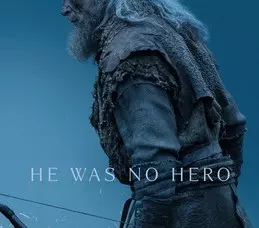
This Robin Hood isn’t a moralistic leader of men, nor is he the upstanding gangster archetype. He is a murderous outcast, a madman who recognises that he is beyond redemption. Photo: Wikimedia Commons
The term “deconstruction” is often thrown around in the world of haute cuisine, which director Michael Sarnoski took a long whiff of in his phenomenal debut feature, Pig. It starred Nicolas Cage as a reclusive former chef who lives in a self-imposed exile in the woods, accompanied by a pet truffle pig and his many demons. Pig remains one of the finest directorial debuts of the last decade, and is a great lead-in to Sarnoski’s latest film, The Death of Robin Hood.
Like Cage’s character in Pig, the titular protagonist of Sarnoski’s new movie also lives in solitude, haunted by a past that the world at large remains unaware of. The movie not only deconstructs the myth of the folklore hero, but it also reduces an entire genre down to the bone. Whether the dish that Sarnoski is presenting this time is a fine fillet or a butchered slab of sinew is ultimately up to the viewer to decide, because it most certainly isn’t for everyone.
Also read: Enola Holmes 3 review: Millie Bobby Brown starrer retains earnestness of franchise's first two films
In Pig, Cage’s character was revered in the world of fine dining before the death of his wife forced him to denounce his career and reputation and embrace a life of loneliness in the woods. In The Death of Robin Hood — an even bleaker affair — the legendary outlaw rejects the myths that have been constructed around him. He lives by himself in the highlands, perpetually looking over his shoulder for the vengeful kin of his victims. In the film’s opening scene, a haggard Robin Hood, played by a near-unrecognisable Hugh Jackman, is paid a visit by a young woman who attempts to murder him in his sleep. Robin sniffs her out, and pays her a compliment for getting this far before jabbing her in the skull with a knife. He buries her under a pile of rocks alongside dozens of others who’ve tried, and failed, to exact revenge against him.
Reflection of hopeless times
Based on some of the earliest published texts about the character, the new movie is a reflection of its hopeless times. This has been a recurring theme with Robin Hood films over the decades; they serve as capsules of the era they were made in. Errol Flynn’s classic movie gave people a hero they could root for in the aftermath of World War I and the Great Depression; in the 1991 adaptation starring Kevin Costner, the outlaw and his merry men were rebels inspired by the Viet-Cong (a guerrilla force); and in the post-recession epic starring Russell Crowe, Robin led a revolt against the rich. Even the terrible 2018 version starring Taron Egerton had something to say about organised protests against a militarised police force.
Continuing this fine tradition, The Death of Robin Hood follows a regretful old man who wishes for nothing but death, but is almost programmed for survival. Such is the dichotomy of his existence. Shot on 35mm film by cinematographer Pat Scola, the movie isolates its protagonist against vast vistas of a countryside shrouded in darkness. Scola’s camera occasionally cuts to silent close-ups of Jackman’s visibly wrinkled face, a madness behind his eyes that erupts every time he is handed a bow and arrow.
The first time Robin uses his famed weapon of choice is unforgettable. A young child, fleeing from Robin and running towards the camera, is shot graphically in the head from the distance, only to fall at our feet.
This Robin isn’t a moralistic leader of men, nor is he the upstanding gangster archetype who inspired everything from Amitabh Bachchan’s Angry Young Man persona to Rocking Star Yash’s flaky facsimile from the KGF movies. He is a murderous outcast, a madman who recognises that he is beyond redemption. Even if he dies a noble death, will it vindicate him from the violence of his past?
Aggressively alienating
Jackman has played a similar character before, in the Oscar-nominated comic book classic Logan. But The Death of Robin Hood makes that famously dour movie about redemption feel like a cartoon about best friends on a road trip.
Several movies in the last few years have checked in with aging versions of pop-culture icons. Kenneth Branagh made All Is True, a movie about an old Shakespeare confronted by the family he has neglected all his life; in Mr. Holmes, Ian McKellan starred as an elderly version of the famed sleuth, losing his biggest superpower: his mind. Perhaps the best example of this kind of movie, however, is Old Henry, a low-key indie in which a reclusive outlaw forced to defend his son against hoodlums is revealed to be the Western icon Billy the Kid.
The Death of Robin Hood has the melancholy of that film, but it also has a rage that is only temporarily quelled midway through its two-hour run time, when an injured Robin is nursed back to life by a nun played by Jodie Comer. This is when the tone takes a sharp swerve towards something vaguely hopeful.
However, while the movie has style to spare and is crafted with obvious care, it is also aggressively alienating. The Death of Robin Hood is neither a mood piece nor a swashbuckling thrill-ride. Instead, it is a character study of a deeply unpleasant man whose self-hatred borders on the repulsive. For all its technical prowess, and despite Jackman’s towering performance, the movie is essentially an A-grade fan-film.