Bengal polls: Mamata’s refusal to resign sparks a constitutional crisis
As per Article 164 of the Constitution, the chief minister and her council of ministers do not automatically get dismissed the moment results are declared. They technically continue until they resign or are replaced

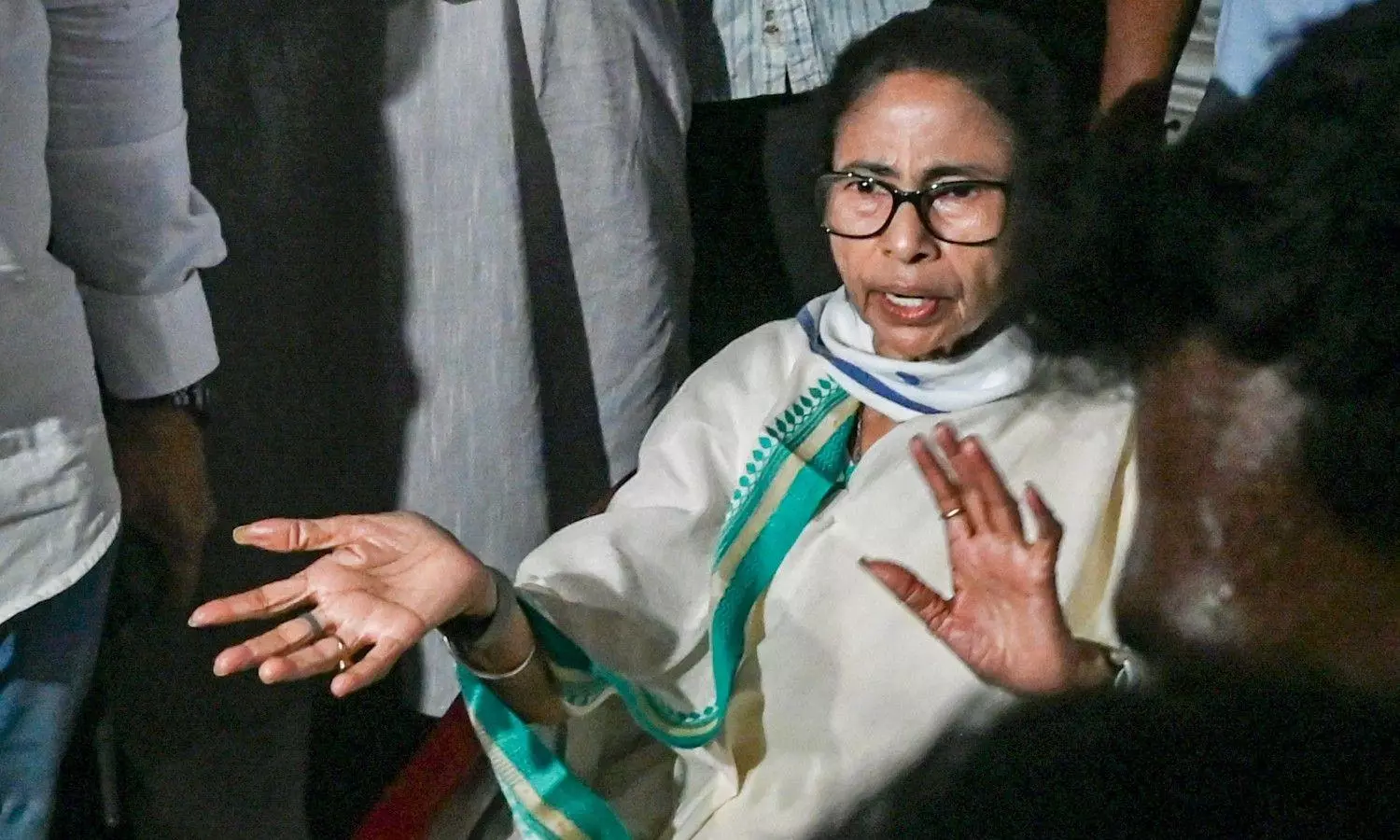
Is West Bengal headed for a brief spell of President’s Rule? The question began circulating after incumbent Chief Minister Mamata Banerjee said she would not resign despite her party suffering a crushing defeat in the just-concluded Assembly elections, the results of which were announced on Monday (May 4).
“The question does not arise… why should I? We did not lose the elections,” Banerjee retorted at a media interaction in Kolkata when asked whether she would go to Raj Bhavan (Lok Bhavan) to tender her resignation, as convention demands.
What Article 164 says
As per Article 164 of the Constitution, the chief minister and her council of ministers do not automatically get dismissed the moment results are declared. They technically continue until they resign or are replaced.
Also read: What happens if Mamata does not resign? West Bengal drama hots up
The convention demands that the outgoing chief minister hand over the resignation of his or her government to the Governor. Then the Governor may ask the incumbent to continue as a caretaker until the new government is sworn in.
The five-year tenure of the previous Trinamool Congress (TMC) government headed by Banerjee would end on Thursday (May 7).
Can Governor dismiss Mamata?
In the normal course, she would have been asked by the Governor RN Ravi to continue as caretaker chief minister until the new government assumes office.
Also read: BJP on CM Mamata refusing to resign: 'She is making herself a laughing stock'
The newly elected BJP government is likely to take oath on May 9, coinciding with the birthday of Rabindranath Tagore, a symbolism the saffron party is keen to leverage to signal its adherence to Bengali culture and ethos, according to party sources.
The question now is who will run the state during the interim period.
“Convention and courtesy require her to resign. If she refuses, the Governor would be compelled to dismiss her. After that, he would assume charge himself until the new government takes office, recommending the President’s Rule,” said constitutional expert and senior advocate of the Calcutta High Court, Arindam Das.
Strategic move
Given the TMC’s refusal to accept the verdict, political observers say the Governor is unlikely to ask her to continue in office during the transition period.
Also read: TMC denied me ticket after I refused to pay Rs 5 crore: Ex-cricketer Manoj Tiwary
“She has already donned the role of an Opposition leader, choosing to confront the system by not resigning,” said political commentator Debasish Chakraborty.
He said her move could be strategic, as the state administration, particularly law and order, is now largely under the control of the Election Commission, leaving little scope for her to prevent political violence against her party workers.
“If she is removed, it would be the Governor’s responsibility to ensure the safety of TMC functionaries and offices, which have been under attack since the results were announced,” Chakraborty said.