Visakhapatnam data centres spark water security concerns ahead of local body polls
Andhra’s AI data centre push triggers concerns over drinking water, power consumption, and environmental impact, even as government promises thousands of jobs

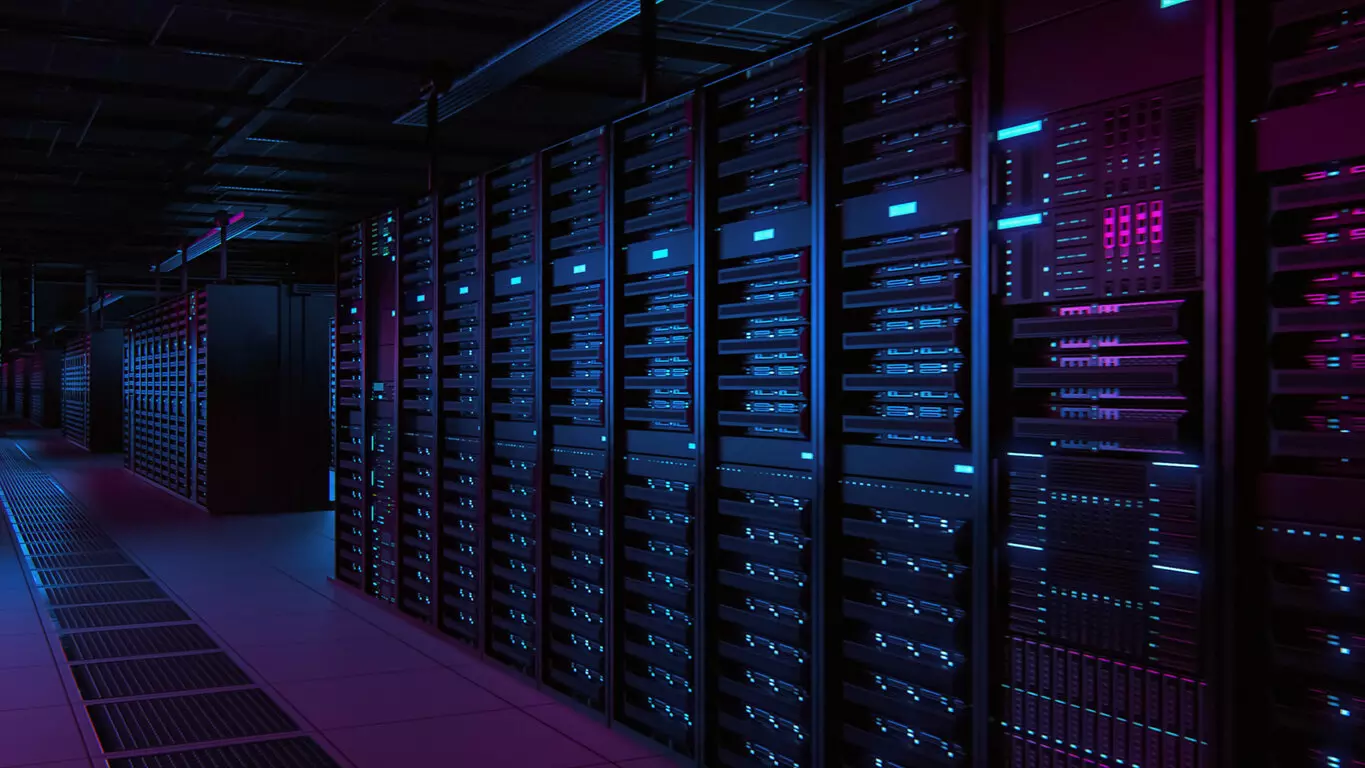
The proposed data centres around Visakhapatnam have become a major poll issue at the Andhra Pradesh local body elections. While the state government has announced plans to establish large-scale AI data centres in partnership with Google and Adani, residents, environmentalists and intellectuals have already started pushing back raising concerns over drinking water.
Water concerns
EAS Sarma, a former IAS officer and a Visakhapatnam resident, has repeatedly raised alarm over the issue. He has pointed out that hyperscale data centres consume enormous amounts of water and electricity. Visakhapatnam currently receives around 410 million litres of water a day, against an estimated requirement of 480 million litres.
The government told the Assembly that the proposed 6.5-gigawatt data centre ecosystem would require around 3,000 million cubic feet (TMC) of water annually. Sarma warned that this could affect the drinking water needs of residents, stressing that the city was already under water stress.
Also read: A hollow obsession with data-centre proliferation
He has also expressed concern over the construction of a data centre park near the Mudassarlova reservoir, arguing that it could affect local water resources. Warning that water scarcity has contributed to the collapse of civilisations, he has called for an independent water audit.
Opposition mounts
Left parties are also opposing the projects. Leaders of the CPI(M), CPI and CPI(ML) have questioned land acquisition in Tarluvada and Adavivaram, the hurried grant of environmental clearances and the failure to seek public opinion.
Residents have staged protests with slogans such as “We cannot drink data”. Organisations such as Green Visakha have urged people to make the issue a key concern in the local body elections. They want voters to question local representatives about the burden data centres could place on water resources, electricity supply and the environment.
Government’s assurance
The government, however, has dismissed these concerns as misinformation. IT Minister Nara Lokesh has clarified that the water required by data centres would be supplied from Polavaram through dedicated pipelines, using the allocation earmarked for industrial purposes. He has insisted that the city’s drinking water supply would not be touched.
Also read: Adani Group to invest USD 100 billion to build AI-ready data centres
Google and AdaniConneX have said they would use air-cooling technology to reduce water consumption. Nevertheless, residents remain sceptical, citing a lack of clarity in water-use estimates and delays in the completion of the Polavaram project.
The issue has emerged as a prominent topic of public debate during the local body elections. Residents are weighing claims that data centres will generate employment and attract investment against demands to safeguard water security and the environment.
Worry over data centres in India and world
Visakhapatnam is not alone. The rapid expansion of data centres in India is increasingly triggering concerns over water use, particularly in regions already facing shortages. Over 70 per cent of India’s data centre capacity is concentrated in Maharashtra, Tamil Nadu, Karnataka and Telangana, states that include water-stressed urban centres such as Mumbai, Bengaluru, Hyderabad and Chennai.
Concerns have surfaced in Thane, where residents have opposed Amazon’s planned hyperscale data centre, citing estimates that it could consume up to 12 million litres of water a day in an area already grappling with water scarcity. In NCR, residents of Noida and neighbouring Khora have reported accelerating groundwater depletion as data centre capacity expands.
The debate has intensified as several states classify data centres as essential services, ensuring priority access to water and electricity during shortages. India’s data centre sector is estimated to consume about 150 billion litres of water annually, with projections suggesting demand could exceed 358 billion litres by 2030.
Also read: Google AI data centre in Andhra to act as growth engine for India: CM Naidu
The issue is not unique to India. Across the United States, including states such as Virginia, Iowa, Arizona and Utah, communities have pushed back against large data centre projects over concerns about aquifer depletion, rising utility costs and pressure on municipal water systems.
Projects and investments
The Andhra Pradesh government aims to scale up its data centre capacity to 6.5 gigawatts. IT Minister Nara Lokesh has said all the agreements required to achieve this target have been signed and the projects have entered the implementation stage. The government has not released a consolidated list specifying the exact number of agreements signed. The data centres announced so far include the following:
Google and AdaniConneX, in collaboration with Airtel Nxtra, are setting up a 1-gigawatt AI data centre hub in Visakhapatnam. Google has announced an investment of around USD 15 billion (Rs 1.25 lakh crore). Construction is under way across approximately 600 acres in Tarluvada, Adavivaram and Rambilli. The foundation stone has also been laid.
On employment, Lokesh has claimed that the Google project alone could generate between 188,000 and 200,000 direct and indirect jobs. Estimates by experts familiar with the sector, however, put the number of direct jobs at 5,000–6,000, with total employment ranging from 20,000 to 30,000. The Adani group has also indicated that the project would create several thousand jobs.
More projects, more jobs?
Other than this, Reliance Industries is setting up a gigascale AI data centre and a cable landing station in the Bhogapuram area of Vizianagaram district. The investment is estimated at Rs 1 lakh crore to Rs 1.08 lakh crore, with a proposed capacity of around 1–1.5 gigawatts. Approximately 855 acres have been allocated for the project.
Also read: Amazon to pump Rs 60,000 crore into Telangana data centre
Other projects include a roughly 500-megawatt facility by Sify; Anant Raj Cloud, with an investment of Rs 4,500 crore and a capacity of around 300 megawatts, expected to generate approximately 8,500 direct and 7,500 indirect jobs; and ReNew’s green data centre project, valued at Rs 85,200 crore, with an estimated 1,880 jobs. Data Centre Holdings, AM Intelligence Labs and Digital Connexion, involving Reliance, Brookfield and others, are also among the announced ventures, with a combined capacity of around 1 gigawatt and an investment of approximately Rs 98,000 crore.
(This article was originally published in The Federal Andhra Pradesh.)