35 years on, Sapta Kosi High Dam still a mirage as Bihar faces fresh flood threats | Nepal floods
Decades of promises and stalled reports keep Bihar vulnerable, as floods in Nepal revive the unresolved debate over the Sapta Kosi High Dam project

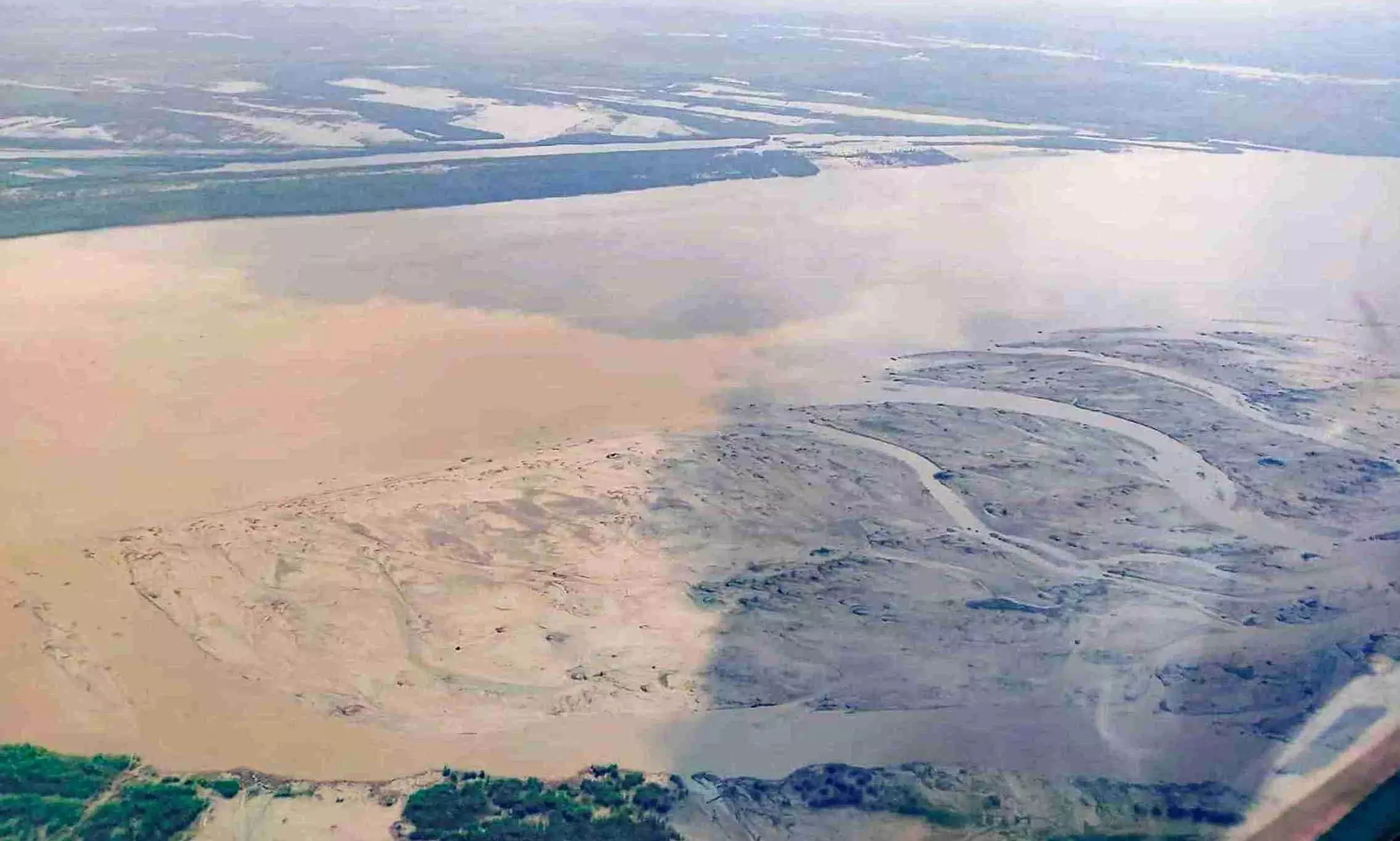
Fresh floods in Nepal have once again put north Bihar on edge, with rising river levels and embankments under strain. The recurring crisis has revived debate over the long‑pending Sapta Kosi High Dam project, seen for decades as a long‑term solution to Bihar’s flood woes.
The idea of a massive reservoir upstream in Nepal dates back to 1991, when India and Nepal agreed to prepare a detailed project report (DPR). A joint project office was set up in 2004, surveys were conducted, and successive governments pledged support. Yet, 35 years later, the DPR remains unfinished.
Tall promises, little work
Prime Minister Narendra Modi, speaking in Darbhanga in November 2024, promised honest efforts to resolve the flood problems of Kosi and Mithila, announcing projects worth over Rs 11,000 crore. Home Minister Amit Shah, during the 2025 assembly polls, vowed to make Bihar flood‑free within five years. But on the ground, little progress has been made.
Also read: China warns Nepal barrier lake could breach within 72 hours
In fact, the story goes back not to 1991 but to 1954, when then prime minister Jawaharlal Nehru signed the Kosi Agreement with Nepal to control floods, provide irrigation, and generate power. The Kosi Barrage and embankments were built, but Nepal raised concerns about land loss, displacement, compensation, and India’s control. The issue became political and diplomatic.
Even after modifications in 1966, floods persisted, and the 1987 embankment breach raised doubts about relying solely on barrages. Since then, political promises have continued, but the Sapta Kosi High Dam remains stalled; after all, India cannot build the dam alone, as it lies on Nepalese soil.
Warnings from experts
In July 2026, the Centre told Parliament that multiple studies — from hydrological surveys to seismic assessments — had been completed. Yet no Indo‑Nepal Joint Committee meetings were held in 2025‑26. Bihar Chief Minister Samrat Choudhary recently pressed Finance Minister Nirmala Sitharaman and Foreign Minister S Jaishankar to fast‑track the DPR.
Also read: China rejects 'dam claims' over deadly Nepal flash floods, calls them ‘fake news’
Meanwhile, experts warn that climate change is intensifying the crisis. Rising Himalayan temperatures are melting glaciers, raising the risk of glacial lake outburst floods. “We must take this seriously. Early warning systems must be installed. Rising heat in the Himalayas is melting glaciers, which could trigger major disasters,” said Swapnamita Choudhury Vaideswaran of the Wadia Institute of Himalayan Geology.
For now, Bihar braces for another flood season, while the promise of a permanent solution remains trapped in files.