



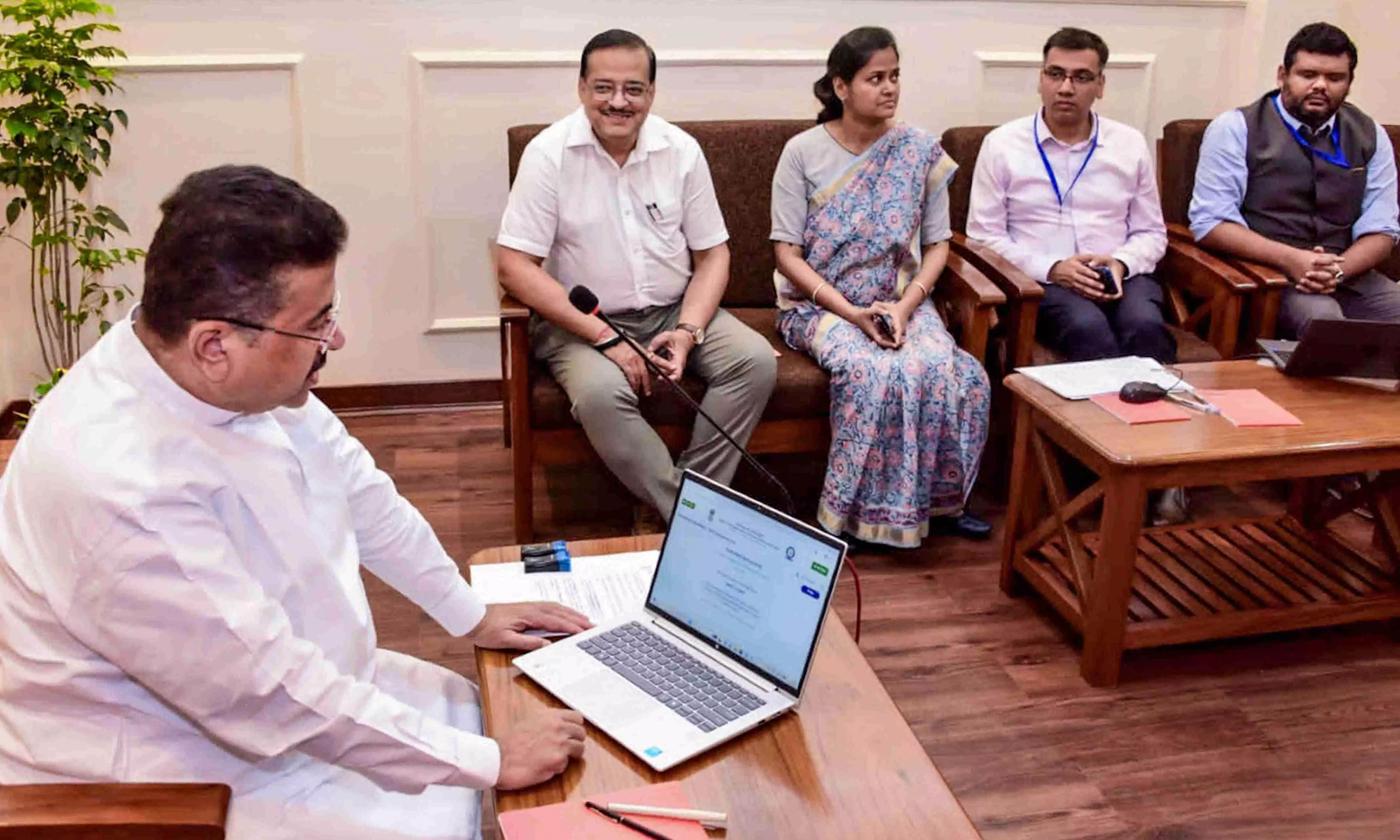
Census 2027: Online self-enumeration starts in West Bengal; here’s how to fill it in
The self-enumeration window opened on August 1 and will remain available until August 15 through the official portal

West Bengal has begun the online self-enumeration process for the first phase of Census 2027, allowing residents to submit their household details digitally before officials begin door-to-door verification. The self-enumeration window opened on August 1 and will remain available until August 15 through the official portal se.census.gov.in.
The initiative is part of India's first fully digital Census. While participation is voluntary, officials say self-enumeration can make the verification process faster and smoother.
Also read: Census 2027 to go digital with self-enumeration; 2-phase rollout from April 1
Here is everything you need to know:
What is self-enumeration?
Self-enumeration allows the head of the household to fill in Census details online instead of waiting for a census official to visit. The information submitted online will later be verified by field enumerators during house visits.
People can save their progress midway and return later to complete the form any time before midnight on August 15.
Do you need to participate?
No. Self-enumeration is completely optional.
If you choose not to fill in the form online, a census enumerator will visit your home during the House-listing and Housing Census phase, beginning August 16, and record the required information using an official mobile application.
Do you need to upload any documents?
No.
Also read: Census 2027: Online self-reporting, mobile apps, and what it means for households
The Registrar General of India (RGI) and the Directorate of Census Operations have clarified that no documents are required during self-enumeration. Officials will also not ask for any physical documents when they visit your home for verification.
What information will you need?
You will be asked to provide basic details about your household, including:
- Household and residential address
- Details of family members
- Education and occupation
- Type of house (owned or rented)
- Materials used for the roof, walls and floor
- Drinking water, electricity and cooking fuel
- Household amenities and internet connectivity
- Assets such as two-wheelers, cars, smartphones and other basic facilities
Is Aadhaar or Voter ID mandatory?
No. Providing Aadhaar number is optional.
EPIC (Voter ID) number is not required for the Census self-enumeration process.
How to complete Census 2027 self-enumeration
1. Visit the official portal
Go to se.census.gov.in to begin the self-enumeration process.
2. Log in using OTP
Enter the mobile number of the head of the household and verify it using the OTP sent to the phone.
3. Fill in the details
Complete the online questionnaire by providing information on your household, family members, education, occupation, address, housing conditions and basic amenities. The process usually takes 10-15 minutes.
4. Review and submit
Check all the details carefully before submitting the form.
5. Save your SEID
After successful submission, you will receive an 11-digit Self-Enumeration ID (SEID). Keep this number safe for future verification.
6. What Happens Next?
Door-to-door verification: From August 16 to September 14, Census officials will visit households as part of the House-listing and Housing Census.
Share your SEID: Provide your 11-digit SEID to the enumerator, who will retrieve your pre-filled information for quick verification instead of entering the details again.
Final verification: Officials will verify details about your house, household amenities and assets, including drinking water, electricity, cooking fuel, internet connectivity and other basic facilities.
How many people have registered so far?
According to Census officials, around 3.21 lakh people across West Bengal had logged into the portal by 6 pm on Sunday (August 2). This includes both those who completed the process and those who partially filled the form and logged out.
What happens after August 15?
The first phase of the Census, the House-listing and Housing Census, will continue from August 16 to September 14, when enumerators will visit every household to verify details and collect information on housing conditions, amenities and assets.
Also read: How Census 2027 could alter India's political landscape
The second phase, scheduled for February 2027, will focus on Population Enumeration, during which officials will collect details of every household member, including age, sex, education, caste and religion.
How is this different from the Special Intensive Revision (SIR)?
Officials have stressed that the Census and the Special Intensive Revision (SIR) of electoral rolls are two completely separate exercises.
Census is conducted by the Registrar General of India to collect demographic and housing data. Every household will be counted, even if it does not complete self-enumeration online.
SIR is conducted by the Election Commission of India to revise electoral rolls before elections. It is linked only to voter registration and may lead to deletion of names from electoral rolls under specific categories such as Absent, Shifted, Dead or Duplicate (ASDD).
Unlike the SIR exercise, no one's Census data will be deleted for not participating online, officials clarified.
West Bengal had a population of 9.13 crore in the 2011 Census, while Kolkata's population stood at 46 lakh. Census 2027 will provide the first official nationwide population update in more than a decade.