Centre wary of Sonia's biography? ‘Paranoia at its worst'
As Galwan passages spark dispute, journalists question Penguin India's reluctance to publish Sonia Gandhi's memoir

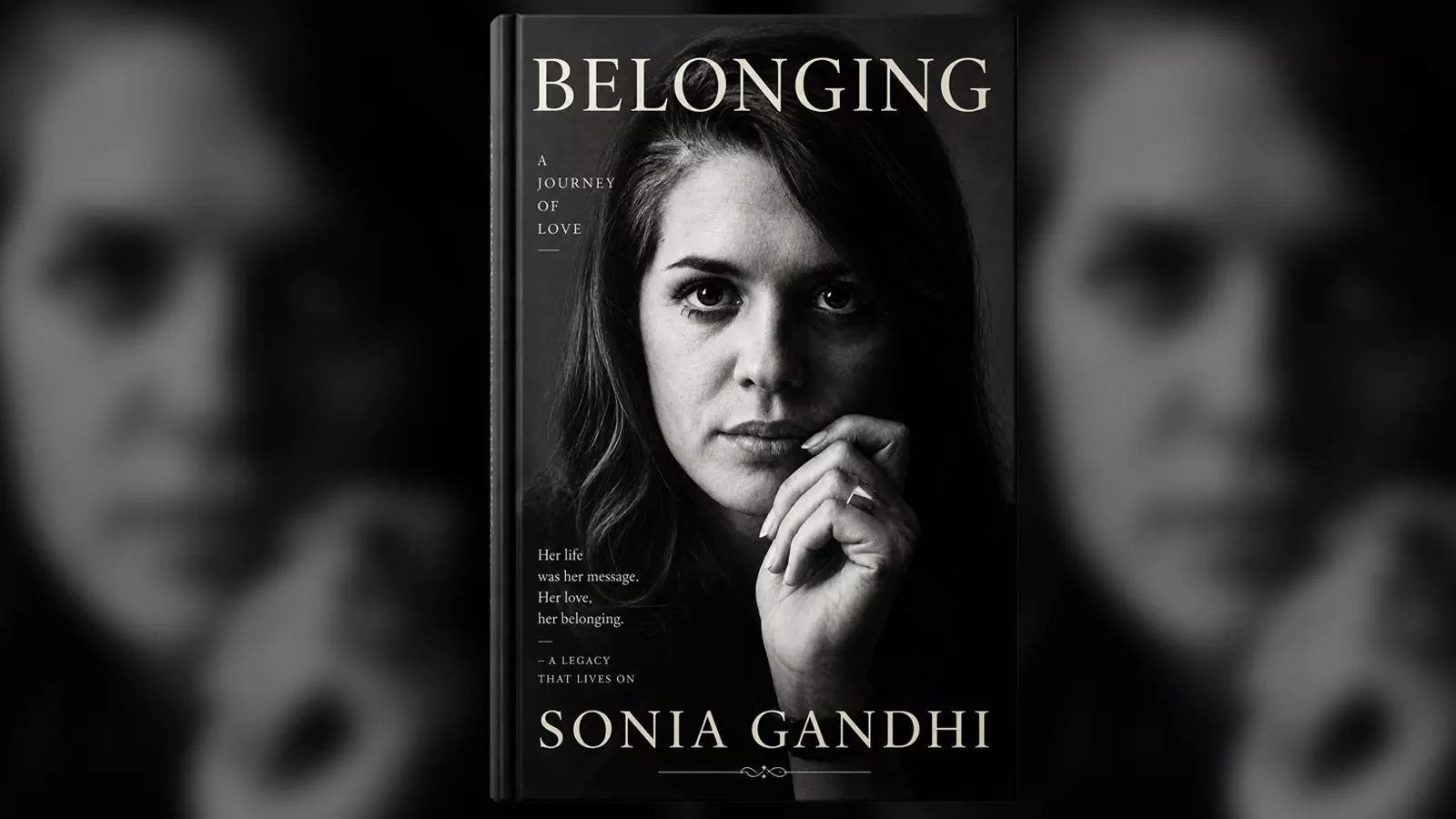
Penguin India’s decision not to publish senior Congress leader Sonia Gandhi’s memoir Belonging: A Journey of Love in India has raised questions over whether the publisher is facing pressure, with senior journalist Javed Ansari calling the move “paranoia at its worst”.
The book has not even been released, and yet there appears to be an effort to prevent parts of it from reaching readers, Ansari argued during The Federal’s Capital Beat show.
The manuscript row
The row erupted after a report said Penguin India had sought changes and deletions to parts of the manuscript, which Sonia did not accept.
Also read: Why historian Romila Thapar’s memoir, Just Being, offers the possibility of a way of living life
Penguin Random House India, however, has denied that it decided against publishing the memoir because Sonia Gandhi rejected the proposed editorial changes. The publisher said it remained “willing and keen” to publish the book, while declining to comment on confidential discussions with the author.
According to Ansari, the controversy could indicate that Penguin India has developed “cold feet”. He questioned why the same publishing group could publish the book internationally while its Indian arm would not publish it in India.
Galwan debate
Ansari said criticism of Prime Minister Narendra Modi or discussion of the Galwan crisis would not, by itself, be surprising, given that the Congress and Sonia Gandhi have maintained their political positions over the years. But he suggested the memoir could contain more than what is currently public.
Ansari also pointed to Sonia Gandhi’s long proximity to political power. As a former Congress president and a central figure in the UPA era, he said, she would have had access to information that most journalists would not. He argued that anyone expecting her to backtrack after being asked to alter her account would be mistaken.
Also read: What is former Army chief Naravane’s memoir ‘Four Stars of Destiny’ about?
The controversy deepened over passages concerning the Galwan crisis. Ansari pointed out that Prime Minister Modi’s statement that there had been no intrusion or entry during the crisis was already part of the public record. He questioned why such a statement would need to be removed from a memoir, suggesting that the reported editorial dispute may involve more material than what has emerged publicly so far.
The book is scheduled for international release on November 10, while reports have said other Indian publishers are now interested in publishing and distributing it in India.
‘How should a memoir be fact-checked?’
The questions surrounding the memoir come against the backdrop of comments by journalists Shiv Aroor and Saba Naqvi, both of whom questioned the circumstances surrounding the publisher’s reported decision. Their comments focused on the apparent difference between Penguin’s position in India and the publication of the book internationally.
Reacting to the comments, senior journalist Sunita Aron raised a more fundamental question: how should a memoir be fact-checked when it is based on the author’s personal experiences?
She argued that Sonia’s book is a personal account and questioned what sources a publisher could use to fact-check someone’s memories. Aron said Sonia has traditionally been private about her life, making the memoir potentially significant precisely because it offers her own account of events.
Also read: Sonia's Memoir BELONGING likely to delve into life beyond Gandhis, politics
Freedom of press
Aron argued that attempts to restrict the memoir could have the opposite effect and create greater curiosity among readers. She added that even if the book is published only abroad, its contents could still reach Indian readers through technology and online platforms.
She said the government cannot dictate what an author should write in an autobiography.
Echoing Aron’s statements, Ramjas College professor Tanvir Aeijaz questioned why a publisher that derives its freedom of the press from the Constitution should appear reluctant to publish a memoir in India while the book can be published elsewhere.
Meanwhile, Ansari argued that the controversy may have unintentionally given Sonia Gandhi’s memoir enormous publicity. According to him, the government had effectively “shot itself in the foot” by creating greater curiosity around the memoir.
Aron suggested that a better option for the government would have been to allow the book to come out and challenge any allegedly false claims legally. She questioned how the government could know the precise contents of a confidential manuscript in the first place.