



Ceasefire credit, not Russian oil, drove Trump’s tariffs on India, says Raghuram Rajan
Raghuram Rajan says Trump’s 50 per cent tariffs on India stemmed from a dispute over credit for the India-Pakistan ceasefire, not Russian oil

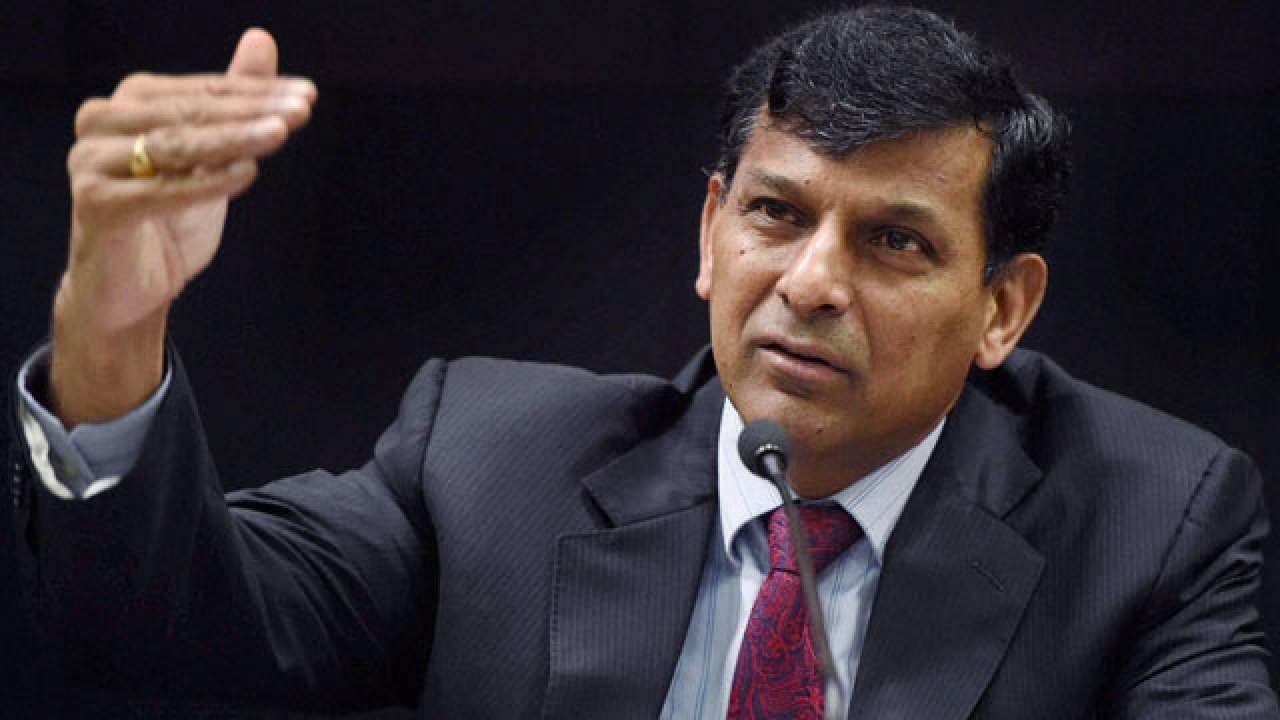
India’s import of Russian oil was not the main reason behind US President Donald Trump’s move to impose 50 per cent tariffs on India, but it had more to do with New Delhi’s refusal to endorse Trump’s claim that his intervention led to a truce between India and Pakistan following Operation Sindoor, former Reserve Bank Governor Raghuram Rajan has said.
Rajan, in a viral video, was seen speaking at an event at the University of Zurich where he argued that while Trump imposed hefty tariffs on India for not endorsing his version of events that led to the ceasefire agreement, Pakistan “played along” and got only 19 per cent tariffs. The video is from December 4, reported NDTV.
‘Pakistan played it right’
Rajan further stated Pakistan “played it right” and gave Trump the credit for the ceasefire. "Russian oil wasn't the issue... I think the central issue was more personalities, especially a personality in the White House and how they treated certain comments made by India after Trump claimed credit for stopping a conflict between India and Pakistan...Pakistan played it right...said that it was all because of Trump,” said Rajan. As quoted by NDTV.
Referring to India’s stance that the truce between India and Pakistan was reached following an agreement between the two countries, Rajan said that “the truth is probably somewhere in between”.
Also Read: Armed forces showed 'restraint' during Operation Sindoor, says Rajnath Singh
"India tried to argue that the two countries had reached an agreement without Trump ... the truth is probably somewhere in between ... But the net effect was that India got 50 per cent tariffs, and Pakistan got 19 per cent,” said Rajan.
“I understand that there was some comment about how your leader in Switzerland tried to explain the tariffs to Trump and that didn't go well... so we don't know what really happened between India and the US, but hopefully in the longer run sanity prevails on all sides and we all reach reasonable deals," he added.
Social media backlash
Rajan’s comments sparked considerable criticism online, with many users arguing that India had merely upheld its position by refusing to endorse what they called an inaccurate account of the ceasefire, while Pakistan publicly aligned itself with Trump’s version.
One commenter wrote, “India paid higher tariffs because it refused to bow politically, prioritising national interest over appeasing global powers.”
Also Read: Trump’s new claim: ‘Threatened India, Pak with 350 pc tariffs to settle dispute’
Others pushed back more sharply against Rajan’s reading of events. A second user posted, “Truth is lying in between? Sorry Mr Raghuram Rajan, the truth is not lying in between, but the truth is with India. The boot licker Pakistan played the appeasement tactics to please Trump. This tactic immediately rewarded them by lower tariff—just 19% while tariff on India is 50%. Future will tell how much costly would be this 19%.”
Some questioned whether Rajan’s assessment held any relevance at all. As one critic put it, “Even a broken clock is correct twice in a day… he needs to keep trying. Some day he will make sense.”
The backdrop
A ceasefire between India and Pakistan was declared on May 10. While Trump has repeatedly asserted that the truce resulted from his personal intervention, Indian officials have maintained a different account.
Also Read: Trump repeats claim he stopped Indo-Pak war at meet with Saudi prince
However, New Delhi said that the halt in hostilities followed direct communication initiated by Pakistan’s Director General of Military Operations, who contacted his Indian counterpart to discuss de-escalation.
Pakistan initially rejected India’s version of events but later shifted its position. In a move that drew international attention, Islamabad went on to nominate Trump for the 2026 Nobel Peace Prize, citing what it described as his “decisive diplomatic intervention and pivotal leadership during the recent India-Pakistan crisis.”