



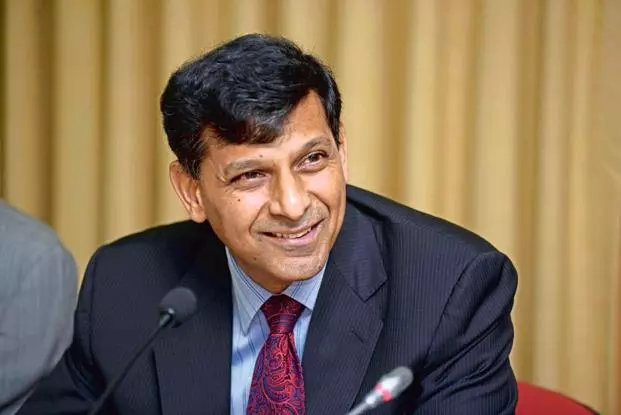
AI will not take skilled jobs, but India’s education system is failing, says Rajan
Raghuram Rajan says AI won’t replace skilled manual jobs but warns India’s poorly trained workforce and failing education system risk future growth

Former RBI governor Raghuram Rajan has said that Artificial Intelligence (AI) will not take over jobs requiring hands-on technical skills, but warned that the drawbacks of the Indian education system may leave the country’s future workforce ill-prepared for those jobs.
‘Poorly trained Indian workforce’
Rajan also said that even as India was racing towards an AI-driven future, its workforce remains poorly trained. He made the remarks during a podcast with entrepreneur Kushal Lodha.
Also Read: Ceasefire credit, not Russian oil, drove Trump’s tariffs on India, says Raghuram Rajan
Calling for a national-level rethinking on how the country was training its youth for work, Rajan said that there should be a clear focus on practical skills and not just academic degrees.
"Some of the places where there are jobs require working with your hands. In the age of AI, it still may be that the job of the plumber doesn't go away,” said Rajan as quoted by NDTV.
‘Education system failing students’
Pointing out that work like plumbing and aircraft engine repair remains relevant and resistant to automation, Rajan warned that the current education system in the country is failing to equip students with basic skills like mathematics, science, and communication, required for such essential jobs.
Also Read: Raghuram Rajan explains why Trump hiked tariffs and what India should do
Rajan countered the assumption that success can come only if one follows the traditional academic path, saying, “I don't necessarily need a degree in French literature or in English literature. I'm happy to take a technical course in modern plumbing.”
‘Changes in education system’
Elaborating further, the former RBI governor said that the shift in mindset should be accompanied by systematic changes in the education system with proper integration of elements such as apprenticeships, greater respect for skilled trades, and a curriculum that strikes a balance between theory with applied learning.
“Being a plumber also requires entrepreneurship. You need to know how to price your services... what your costs are,” he added.
On early childhood development
Rajan broadened his argument beyond skills and training to underline the role of early childhood development in shaping a job-ready workforce. He warned that gaps in nutrition and health during the formative years were already undermining India’s long-term economic prospects.
Also Read: Rupee's fall all due to dollar's rise, RBI intervention can harm exports: Rajan
“We are failing some of our kids even in childhood,” he said, pointing to the persistence of malnutrition across large sections of the population.
According to Rajan, children who grow up stunted face lasting disadvantages that limit both their physical capacity and cognitive development, making it harder for them to adapt to the demands of modern workplaces. These challenges, he cautioned, cannot be addressed through education or reskilling alone.
Viksit Bharat and workforce
Linking the issue to India’s broader development goals, Rajan said the country’s ambition of becoming a developed nation by 2047 would be difficult to achieve if a significant share of its workforce remains vulnerable.
“If we want to become Viksit Bharat by 2047, we can’t have 35 per cent of the workforce in a precarious state,” he said, adding that tackling malnutrition must be central to any long-term solution.