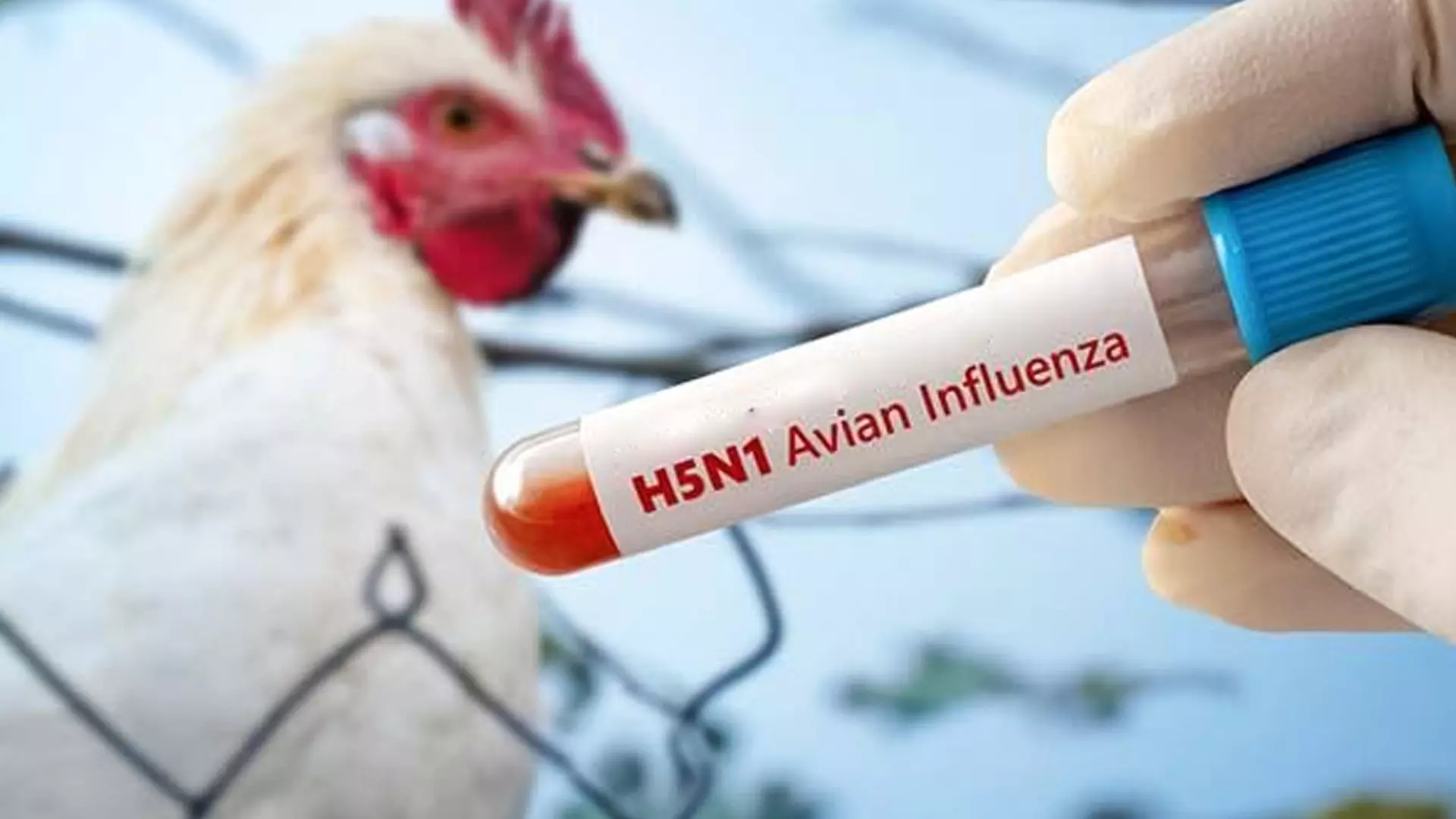
H5N1 bird flu alert in India: crows, poultry die across states
Over 1,000 crows die in and around Chennai while poultry culling starts in Andhra Pradesh as authorities intensify surveillance and biosecurity to prevent human infection

India is facing fresh alarm over the H5N1 bird flu virus, with large numbers of dead crows and poultry testing positive in many states of India. Officials stress that no human infections have been reported so far in 2026, even as surveillance and containment measures intensify.
Also read: Bird flu outbreak: Increasing instances of outbreaks in Americas and Europe
Local authorities have ramped up disease monitoring and biosecurity protocols to prevent the virus from spreading among birds and potentially to humans.
Crow deaths confirmed
In Tamil Nadu, more than 1,000 crows have been found dead in and around Chennai, triggering statewide surveillance and rapid testing. Samples sent to the National Institute of High Security Animal Diseases in Bhopal, Madhya Pradesh, confirmed the presence of the H5N1 avian influenza virus.
Veterinary and public health teams have been mobilised to monitor wild birds, migratory routes, poultry farms and bird markets, and to strengthen reporting systems for unusual bird deaths.
Also read: Kerala: Avian flu confirmed in Alappuzha, Kottayam districts
Officials describe these wild bird deaths as early warning signals of virus circulation in the environment.
Poultry impact in Andhra
In Andhra Pradesh, outbreaks have been reported in Annamayya and Chittoor districts, with dozens of birds dying over a short period.
Officials say rapid response teams have been deployed, and infected poultry farms have seen thousands of birds being culled to prevent further spread.
Authorities suspect migratory crows travelling from neighbouring regions may have carried the virus, leading to infection among domestic poultry.
Strict movement restrictions and biosecurity measures are in place, with farmers advised to conduct daily checks and immediate reporting of abnormal bird deaths.
H5N1 detected in Bihar
In Bihar, new samples from Bhagalpur have also tested positive for the H5N1 virus, prompting a 10-kilometre surveillance alert zone around affected areas.
Also read: Explained: Should Avian Flu worry humans?
Earlier outbreaks were reported in Darbhanga and other districts of the state, where dead wild birds tested positive for bird flu, triggering increased sanitisation and monitoring operations.
The state government has placed its animal husbandry department and local administrations on high alert to monitor poultry farms and migratory bird habitats.
Response and precautions
Authorities emphasize that the H5N1 virus spreads rapidly among birds but rarely jumps to humans, typically only through close contact with infected birds or their droppings.
Biosecurity measures include safe disposal of carcasses by incineration or deep burial, restrictions on bird movement, enhanced sanitation, and heightened surveillance in markets and farms.
Veterinary and animal husbandry officials are advising poultry workers, farmers and anyone encountering dead birds to avoid touching them with bare hands and to report unusual deaths immediately to local authorities.
Public risk and safety
Experts say the risk to the general public remains low, and properly cooked poultry and eggs are safe to eat. However, flu-like symptoms such as fever, cough, sore throat or breathing issues should prompt immediate medical attention, especially if they follow contact with birds or poultry environments.
Also read: Andhra Pradesh ramps up action after bird flu cases in Annamayya
Authorities continue to monitor samples from affected regions, with surveillance and precautionary measures being strengthened as the situation evolves.
The content above has been transcribed from video using a fine-tuned AI model. To ensure accuracy, quality, and editorial integrity, we employ a Human-In-The-Loop (HITL) process. While AI assists in creating the initial draft, our experienced editorial team carefully reviews, edits, and refines the content before publication. At The Federal, we combine the efficiency of AI with the expertise of human editors to deliver reliable and insightful journalism.