



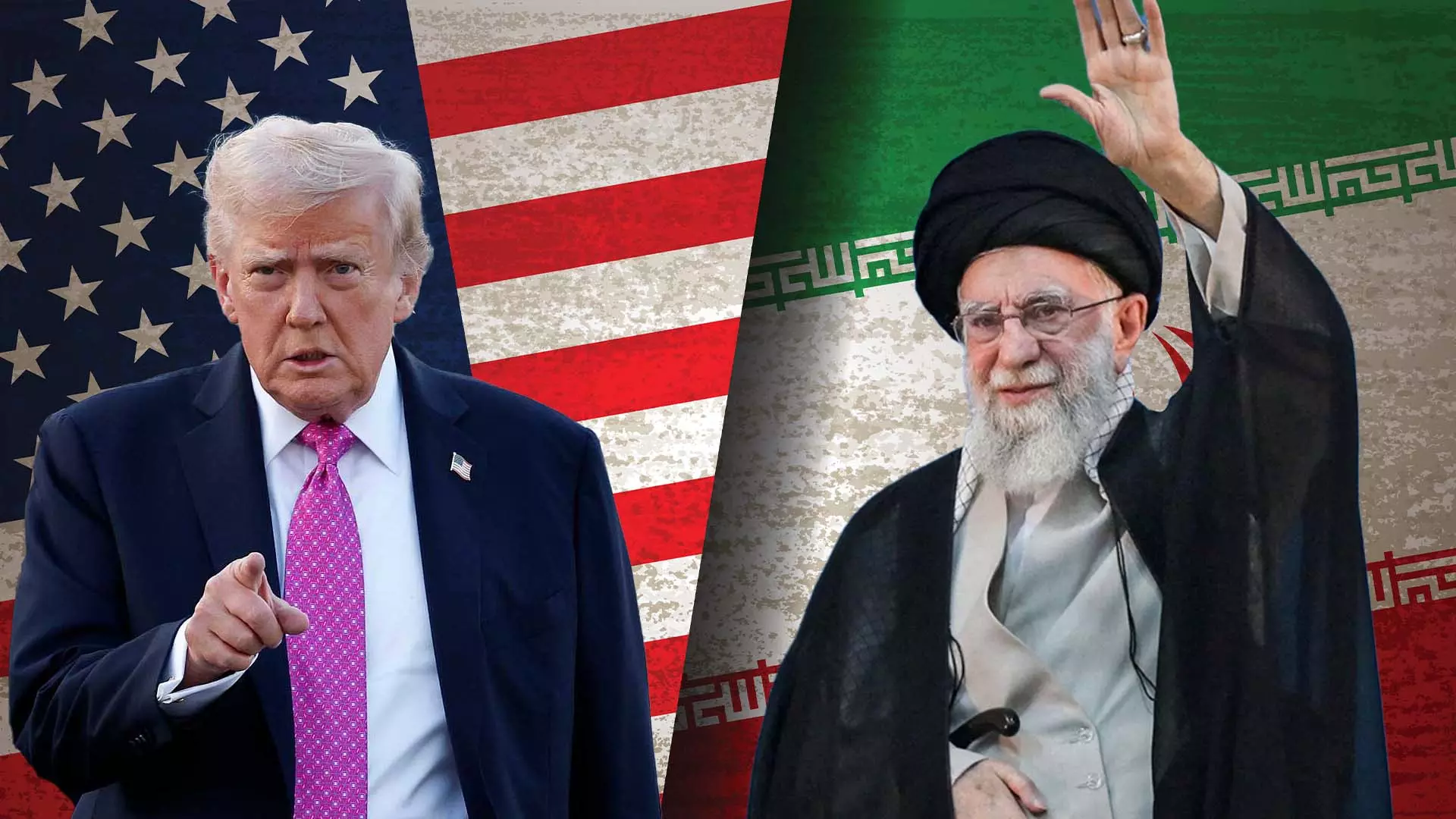
Trump open to meeting Ayatollah Khamenei, says Marco Rubio amid strained relations
Secretary of State Marco Rubio says Trump is willing to meet Iran's Ayatollah as Washington increases military pressure on Tehran

President Donald Trump is open to striking a deal with Iran and would even be willing to meet with the country’s supreme leader, Ayatollah Ali Khamenei, the US Secretary of State Marco Rubio stated in an interview.
Direct engagement
Further, Rubio described President Donald Trump’s decision to deploy a second aircraft carrier to the Middle East, as an effort to deter Iran from taking actions that could escalate into a broader conflict. He declined to comment on whether the United States was losing patience with the Iranian government.
Military pressure
He added that the move was intended as a precaution in case talks with Iran fail, noting, “In case we don’t make a deal, we’ll need it.”
Also read: 'Will not be intimidated by US threats,' says Iran amid rising tension
Gulf Arab states have cautioned that any military strike against Iran could risk escalating into a wider regional conflict in West Asia, which is still dealing with the aftermath of the Israel-Hamas war in Gaza.
US ties with Europe
In the Bloomberg interview, Rubio also said that the United States wants Europe to prosper because of the close ties and shared interests between the two regions.
Rubio highlighted cultural and historical connections, describing the US and Europe as heirs to the same civilization, which he characterised as one to be proud of. His remarks expanded on a speech delivered earlier at the Munich Security Conference, where he struck a more conciliatory tone compared to Vice President JD Vance’s sharper comments at the same event a year earlier, while still reflecting elements of President Trump’s nationalist message.