



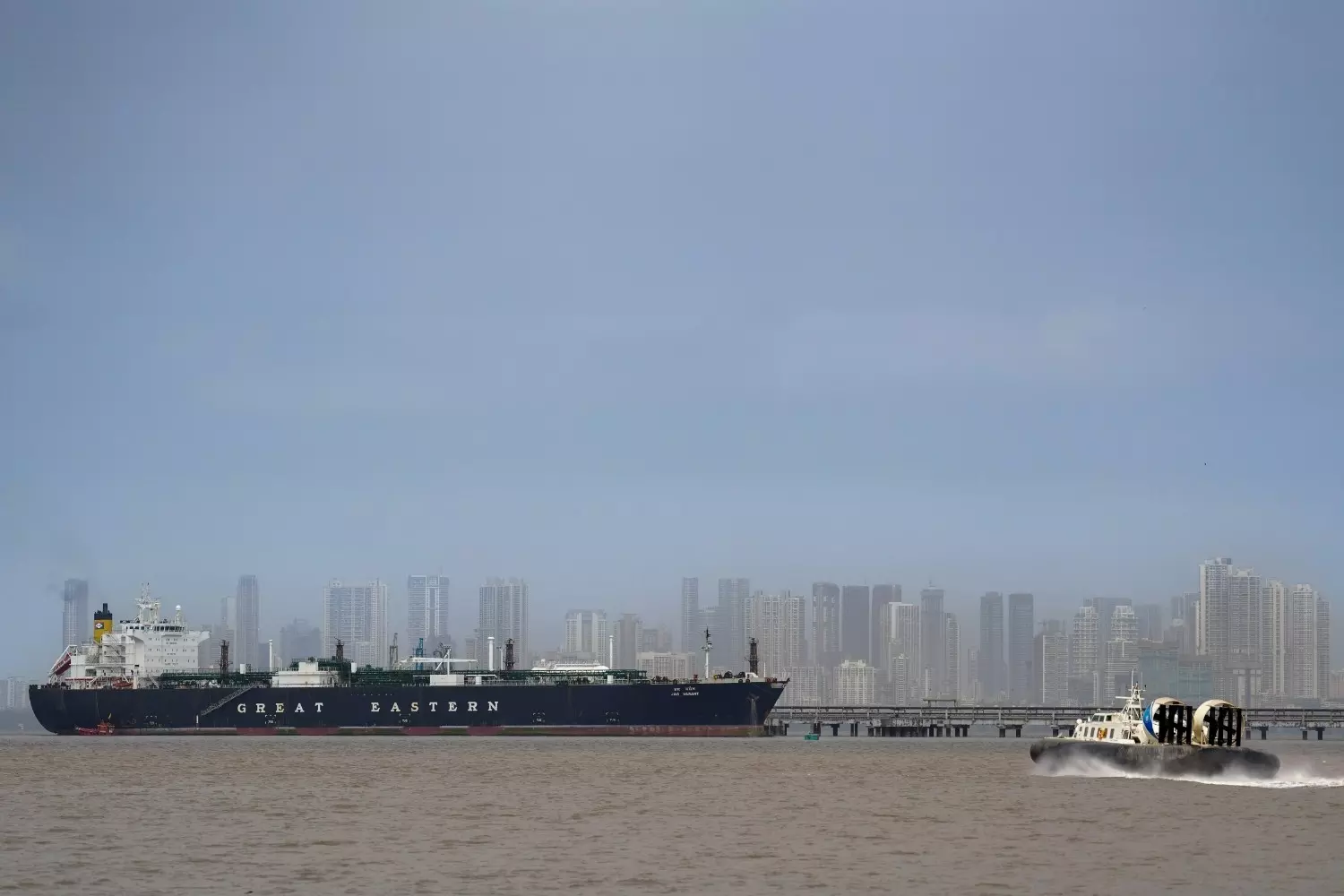
Iran waives Hormuz transit fees, US lifts blockade, but conditions apply
Measures part of US-Iran peace deal; Iran says ships still have to secure permits for passage, US keeps Navy on standby in region to ensure MoU terms are followed

A semblance of normalcy seemed to return to the Strait of Hormuz, which has been at the centre of the US-Iran conflict, after Tehran announced a 60-day waiver on transit fees for commercial vessels using the strategic maritime route, in response to the 14-point memorandum of understanding (MoU) with the US. Iran, however, has stated that the waiver does not translate into free access, and ships still are required to do due diligence.
Also read: Trump may claim victory but MoU shows Iran had the last laugh
The US too announced that it has lifted the naval blockade around Iranian ports and coastal areas, allowing the free passage of vessels to and from Iran.
Ships still need clearance, says Iran
Iran’s move to put a 60-day halt on transit fees at Hormuz was announced by the Supreme National Security Council on Thursday (June 18). The cost linked to the transit process for the two months will be borne by the Iranian government, the council said. It also stated that the Persian Gulf Strait Authority has been asked to process vessel applications on a priority basis and issue permits at the earliest.
Iran, however, has clarified that the waiver does not mean a free passage through Hormuz, and vessels wishing to cross the strait, would still be required to obtain approval from the Persian Gulf Strait Authority and follow designated transit corridors and allocated schedules.
Also read: MoU signed to end Iran war, says Trump
Iran has stressed the need for restrictions, citing operational conditions and security concerns in the region. It says a regulated movement of ships will prevent accidents, allow navigational safety, and allow traffic to resume in a controlled manner.
Iran also said that mine-clearance operations in and around Hormuz would take place in accordance with provisions set in the peace deal.
US lifts blockade, Navy on standby
The US, on its part, has said that its forces are not enforcing blockades in the area anymore and impeding the movement of vessels to and from Iranian ports.
“Today, US forces lifted the blockade on all maritime traffic entering and exiting Iranian ports and coastal areas, in accordance with the President’s direction. American forces are not impeding the transit of vessels from Iranian ports. All US military blockade enforcement efforts have ceased,” the US Central Command (CENTCOM) said in a statement on X.
Also read: 'Idea of invincible US has eroded; Iran showed maturity' | AI With Sanket
CENTCOM, however, clarified that US naval ships would stay put in the area to ensure that all aspects of the truce are complied with.
“Our great Naval Ships will remain in the general area to make sure that all aspects of the agreement are adhered to, obeyed in full force and effect,” the statement said.
Why the deal is important
The US and Iran on Thursday signed a 14-point MoU in Versailles to end the war that has been waged in the region since February 28.
The MoU calls for an immediate ceasefire, reopening of the Strait of Hormuz, lifting of the US blockade near Iranian ports, and discussions on Iran’s nuclear programme.
The opening of Hormuz gains significance, as the closure of the critical chokepoint had disrupted the supply of crude oil and liquefied natural gas exports, affecting the economy of several nations.