



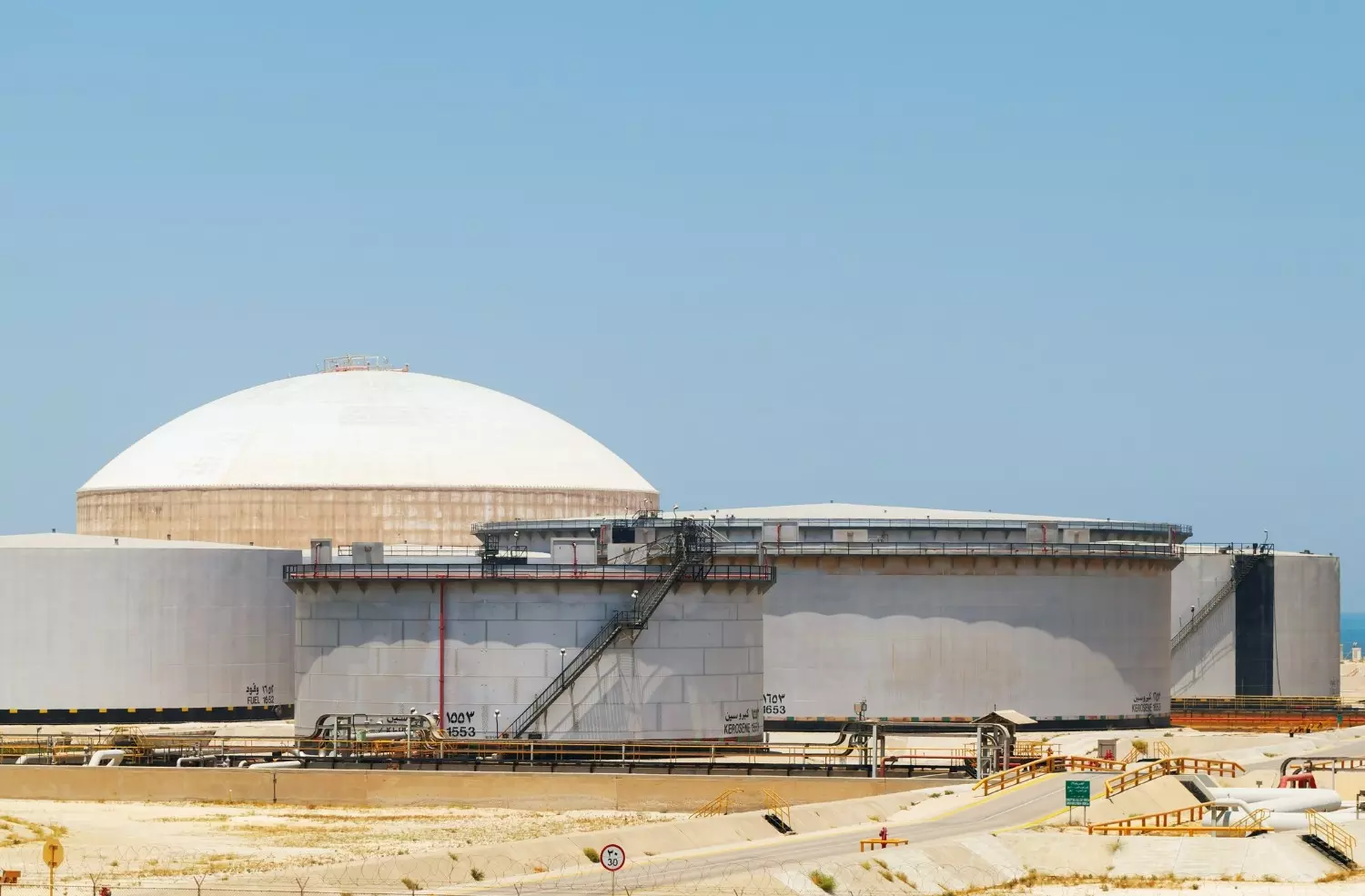
Saudi’s Ras Tanura refinery shut down after Iran drone attack; oil prices surge
Saudi Arabia's largest oil refinery has a capacity of over half a million barrels of crude oil a day; Brent crude jumps 10 per cent

Saudi Aramco has shut down its Ras Tanura refinery near Dammam — the largest in the Middle East — after an Iranian drone struck the facility early Monday (March 2), triggering a fire that was subsequently brought under control, according to multiple news reports citing industry sources.
Saudi state television also reported the decision, citing what it described as an “official source”. It added that there were no casualties from the fire and its decision was a precautionary one.
Also read: Why did Iran bomb its neighbours? Do Dubai, Abu Dhabi have US military bases?
The refinery has a capacity of over half a million barrels of crude oil a day.
Fire under control
The refinery was shut as a precautionary measure following the Iranian drone strike, as Tehran launched retaliatory attacks across the Gulf region in response to a US-Israeli military operation against Iran.
The shutdown temporarily halted loadings at the 550,000 barrels-per-day refinery, and oil prices surged close to $80 per barrel following the incident. Some reports put the spike even higher — Brent crude futures surged roughly 10 per cent on Monday following the drone strike and the wider wave of attacks across the Gulf.
Also read: As West Asia flares up, what's in store for India's energy security?
A small, isolated fire at the refinery was brought under control after the suspected drone attack.
Kuwait’s oil refinery hit by debris
Separately, a major oil refinery in Kuwait was hit by falling debris, with two workers at the Mina al-Ahmadi refinery injured in the explosion and taken to the hospital with minor injuries.
The Ras Tanura complex, situated on Saudi Arabia's eastern coast along the Persian Gulf, houses one of the Middle East's largest refineries and serves as a critical export terminal for Saudi crude.
The attack on Ras Tanura follows an operational disruption last week at the Juaymah liquefied petroleum gas facility, which also affected exports. Monday's strike is described as the first Iranian strike on the Gulf's energy infrastructure.
Historical Parallel: 2019 Abqaiq-Khurais Attack
This is not the first time Aramco's infrastructure has come under fire. On September 14, 2019, drones were used to attack oil processing facilities at Abqaiq and Khurais in eastern Saudi Arabia. The Houthi movement in Yemen claimed responsibility, while Saudi and US officials said the drones and cruise missiles were of Iranian manufacture and originated from the north.
The attacks targeted two critical Saudi facilities — one of the nation's largest producing fields at Khurais, and the massive stabilisation and processing facility at Abqaiq — resulting in a supply loss of approximately 5.7 million barrels per day, more than half of Saudi Arabia's output at the time and about 6 per cent of global supply.