



The Iran war: Key terms and global flashpoints explained
Why are names like CENTCOM and Hormuz making headlines regularly as the crisis endures? Know more about them here

The conflict between Iran on the one hand and Israel and the United States on the other isn't just a standoff between two sides; it's rather a sprawling network of militias, military commands, chokepoints, and clerics that shapes headlines every day.
Here's a simple guide to the key terms, groups, and places at the heart of this crisis.
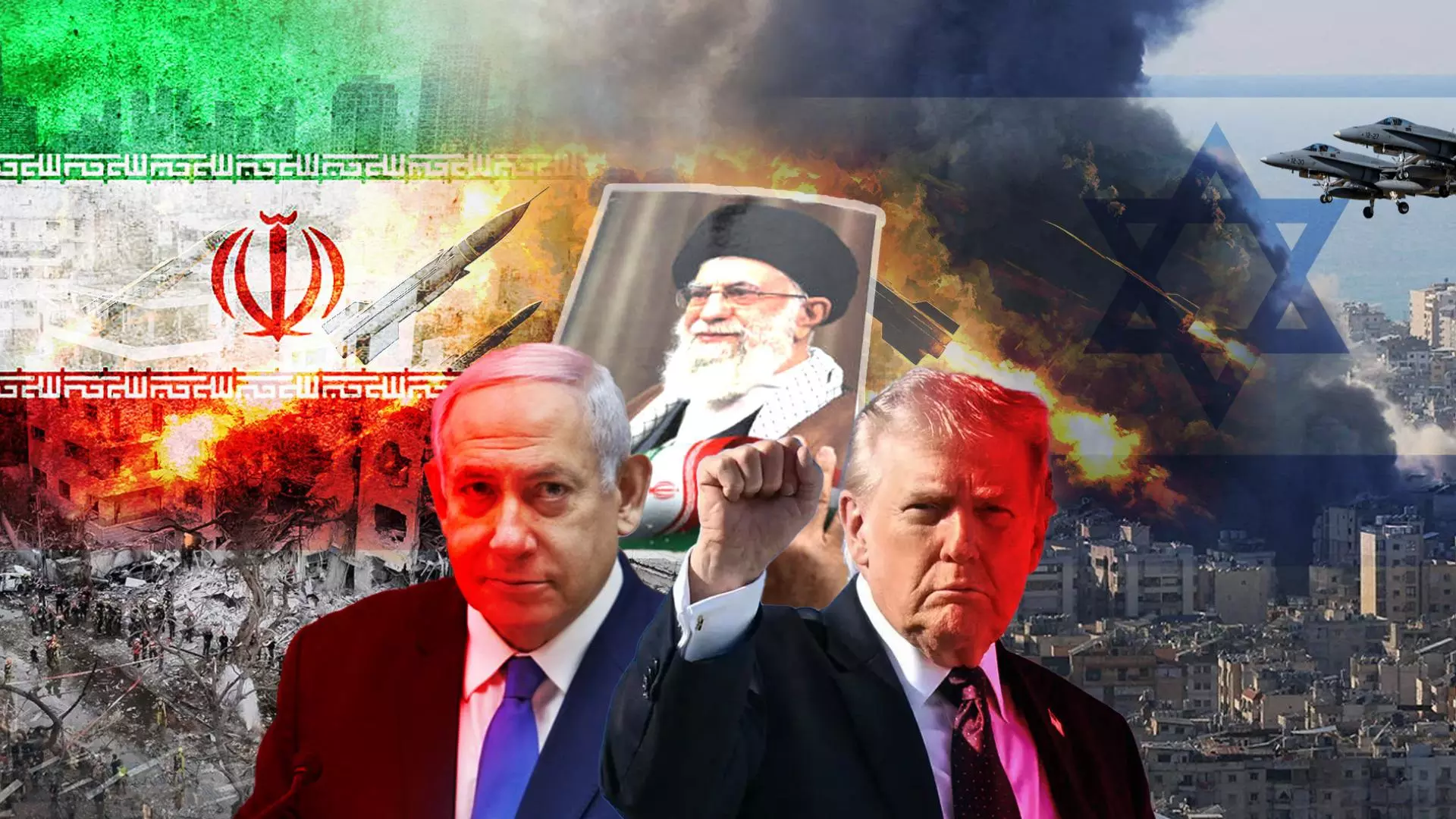
Operation Roaring Lion and Operation Epic Fury — Launched on February 28, the military campaign, codenamed Roaring Lion by Israel and Epic Fury by the US, eyes complete annihilation of the Islamic Republic of Iran.
Houthis — The Houthis are a rebel group in Yemen officially called Ansar Allah. Backed by Iran, they have launched missile and drone attacks in the Red Sea, affecting global shipping.
Also read | Iran war stalls trade, threatens global supply chains; 3,200 ships idle inside Persian Gulf
Hezbollah — Hezbollah is a powerful armed group and political party in Lebanon. It is supported by Iran and is one of Israel’s main rivals.
Hamas — Hamas or Islamist Resistance Movement is a Palestinian armed and political group that controls Gaza. It has long-standing conflict with Israel and is supported politically and financially by Iran.
Axis of Resistance — The Axis of Resistance refers to a loose and informal military network of Iran-aligned groups, including Hezbollah, Iraqi militias, the Houthis, and sometimes Hamas. They oppose the US and Israel’s presence in the region.
Ayatollah — An Ayatollah is a high-ranking Shia Islamic cleric in Iran. Iran’s Supreme Leader who died lately, Ali Khamenei, held the title of Ayatollah and had the final say over Iran’s military and foreign policy decisions.
Also read | Who is Mojtaba Khamenei, Iran's new Supreme Leader?
IRGC — The IRGC or the Islamic Revolutionary Guard Corps is an elite branch of Iran’s military. It protects Iran’s Islamic system and supports allied militias across the Middle East.
Quds Force — The Quds Force is the overseas operations wing of the IRGC. It coordinates Iran’s relationships with groups such as Hezbollah and Iraqi militias.
Kurds — The Kurds are an ethnic group spread across Turkey, Iraq, Syria, Iran and Armenia. In Iraq and Syria, Kurdish armed groups have fought the Islamic State and sometimes worked with the US. Turkey sees some Kurdish groups as terrorists, which complicates regional politics.
Also read | Iran-Israel conflict marks return of Western power politics
CENTCOM — The United States Central Command is the branch of the US military that promotes American interests in 20 nations in the Middle East, Central and South Asia. Whenever the US launches airstrikes in Iraq, Syria, or responds to Houthi attacks in the Red Sea, the CENTCOM typically oversees those actions. It was set up in January 1983.
Strait of Hormuz — The Strait of Hormuz is a narrow sea route between Iran and Oman. About one-fifth of the world’s oil passes through it. Any tension here can spike crude oil prices — important for oil-importing countries such as India.