



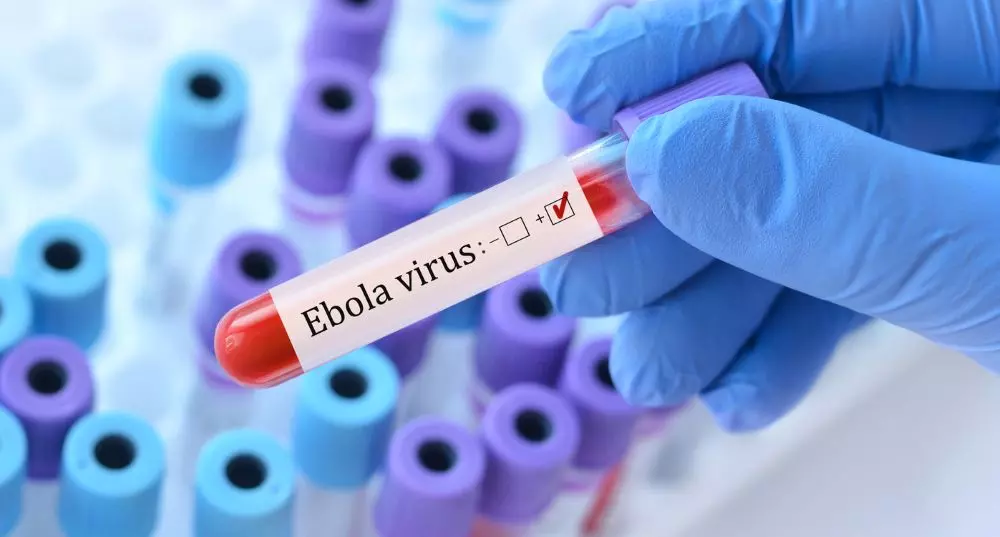
Ebola cases cross 3,200 as Bundibugyo outbreak spreads to Uganda, vaccine trial underway
WHO reports over 3,200 Ebola cases and 1,400 deaths in the DRC outbreak as the rare Bundibugyo strain spreads to Uganda and vaccine trials begin

With the addition of 856 new confirmed Ebola cases following the recent update by the World Health Organisation (WHO), the total number of cases has crossed 3,200. This has made it the third confirmed outbreak in a few days.
According to a report in The Mint, the outbreak, which started in the Democratic Republic of the Congo (DRC) in May 2026, is caused by the rare Bundibugyo strain. The report further stated that the outbreak has spread into several provinces of the country and has now crossed into neighbouring Uganda.
Death toll rises
The severity of the situation becomes evident in a report by Discover Magazine, according to which the latest outbreak, currently the third largest on record and set to be the second largest one, has already resulted in more than 1400 deaths.
Also Read: 50 years of Ebola virus: Why, despite 'zero cases', low risk, 'take no chances' is India’s strategy
Since there is no approved vaccine or treatment for the uncommon Ebola strain, efforts are ongoing to develop a vaccine and slow down the spread of the often fatal viral infection.
However, despite the grim situation, there has been some ray of hope of curbing the spread of Ebola infection, which has reportedly taken over 15,000 lives across Africa in the last five decades.
Vaccine trial begins
The UK government’s Medicines and Healthcare products Regulatory Agency (MHRA) has approved the first-ever human trial of a vaccine tailor-made for the Bundibugyo strain. Meanwhile, Oxford University has already started administering experimental doses to the first group of volunteers.’
Also Read: Ebola outbreak in Africa puts India on alert, experts stress vigilance over panic
According to media reports, the vaccine, currently undergoing testing, uses the same technology as the Oxford-AstraZeneca COVID-19 vaccine, which has allowed researchers to develop it within about eight weeks after the virus’s genetic sequence became available.
Referring to WHO data, the reports further stated that about 90 per cent of Ebola infections originate from DRC’s northeastern province of Ituri. The province shares borders with East African countries such as Uganda and South Sudan.
WHO's latest figures
The severity of the situation can be further gauged from a Bloomberg report according to which the total number of Ebola cases reached 3,200 on July 25, up from 2,344 a week earlier. It further stated that in the last two weeks the death toll has almost doubled to 1,405.
According to WHO, Ebola disease is a severe, often fatal illness in humans. “Three different viruses are known to cause large Ebola disease outbreaks: Ebola virus, Sudan virus and Bundibugyo virus. The average Ebola disease case fatality rate is around 50%. Case fatality rates have varied from 25–90% in past outbreaks,” it added.