



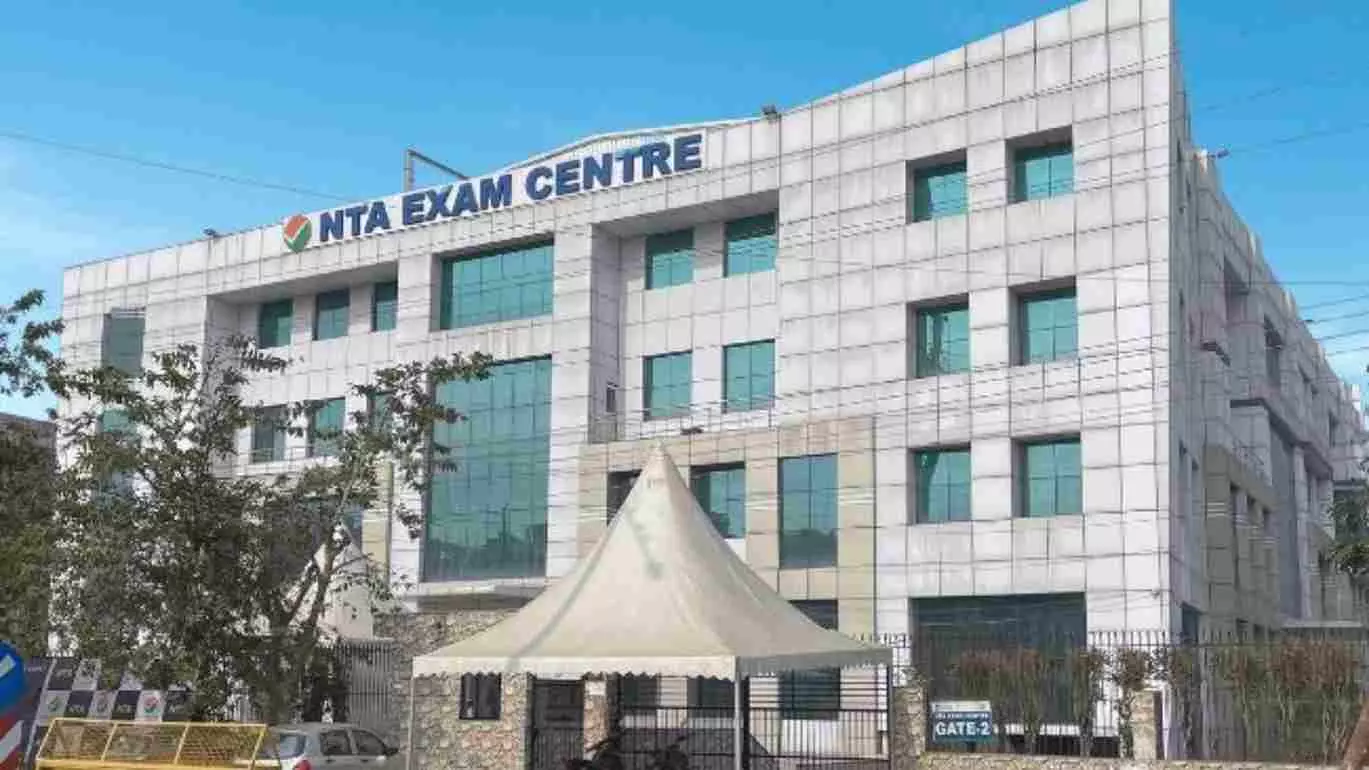
Though the NTA has yet to verify the breach, the buzz around the teenager’s allegation has triggered widespread alarm across social media, pointing to systemic weaknesses in central educational portals, coming just days after security lapses were caught on a CBSE evaluation platform
Another Gen Z hacker now claims data security flaw on NTA re-exam portal
From security loopholes in NEET re-test portal to a parliamentary probe into CBSE’s broken digital grading system, central education boards face allegations of systemic tech collapse

Central educational portals are under fire as Gen Z students are exposing critical vulnerabilities ranging from weak security to questions over tender process in choosing vendors for new online digital evaluation method.
Days after 19-year-old ethical hacker Nisarga Adhikary made a fresh allegation against the Central Board of Secondary Education (CBSE), claiming scanned answer sheets and question papers were exposed online through a CBSE-linked AWS bucket, the embattled National Testing Agency (NTA) has now come under scrutiny.
Trouble brewing for NTA again?
As NTA is already scrambling to conduct a re-test for the compromised 2026 NEET-UG medical entrance exam, a self-proclaimed teenage cybersecurity analyst has flagged critical vulnerabilities in the NTA’s re-examination portal.
Posting detailed claims on X, the 16-year-old Rylen Anil alleged that administrative and candidate data are exposed due to weak portal security.
Though the NTA has yet to verify the breach, the buzz around the teenager’s allegation has triggered widespread alarm across social media, pointing to systemic weaknesses in central educational portals, coming just days after security lapses were caught on a CBSE evaluation platform.
Serious vulnerabilities
The teenager has claimed that he found serious vulnerabilities within the NTA's re-examination portal.
Also read: CBSE OSM row: Whistleblower Sarthak shares how he dug up tender flaws | Exclusive
While these claims have to be verified, they have sparked off anxiety among students, educators, and tech experts regarding the digital infrastructure of India's high-stakes testing bodies.
According to the researcher, the flaw may have compromised personal information tied to thousands of examination centers, center coordinators, and official observers exposing full names, phone numbers, and email addresses.
Beyond data visibility, the analyst warned that the vulnerability went much deeper. Uncontrolled access to the platform's central administrative dashboard could have allowed an unauthorised user to execute highly sensitive back-end operations. These allegedly included managing observer records, exporting massive datasets, generating official appointment letters, uploading core system templates, and altering administrative mapping protocols.
Foolproof digital defenses
Meanwhile, as the allegations gained traction online, several users reported that the portal link began displaying a "404 Not Found" error message, raising further questions about the status of the platform. The NTA has not yet issued an official response to the claims and further clarity is expected once technical experts review the researcher's claims.
These new allegations hit NTA at a challenging time. The body is already facing intense public and political scrutiny over its handling of high-stakes national examinations. With these revelations, the spotlight is now on the need for foolproof digital defenses on platforms managing sensitive student and institutional databases.
CBSE row heads to Parliament
Meanwhile, the controversy surrounding the Central Board of Secondary Education's (CBSE) new On-Screen Marking (OSM) system is heading for parliamentary scrutiny. The Standing Committee on Education has convened a high-level meeting to address severe discrepancies and technical glitches flagged by Class 12 students during the evaluation process.
Also read: CBSE breaks silence on OSM fiasco: ‘Monitoring security issues’
This parliamentary intervention follows a notable shift in the board's stance. While CBSE initially dismissed allegations by stating the vulnerabilities were confined to an isolated testing URL, it has now acknowledged security weaknesses within the actual OnMark platform used for Class 12 answer-sheet grading.
As pressure mounts from cybersecurity experts, lawmakers, and furious student communities, CBSE opened its post-result re-evaluation and verification window, accepting applications until June 6.
It went live after a four-day delay but that too ran into trouble with fresh glitches.
Login failures, system errors on CBSE portal
Within hours of the portal being declared "live," anxious students reported widespread login failures and system errors. Most applicants complained of encountering completely "frozen" screens immediately after inputting their login and captcha details, intensifying anxieties over tight college admission timelines and answer-sheet verification deadlines.
The re-evaluation portal's debut comes after weeks of intense backlash following the announcement of the Class 12 board results. Thousands of families have flagged a multi-layered system collapse, reporting critical disruptions during financial transactions, routine payment gateway crashes, duplicate or excess fee deductions, and a total absence of digital payment receipts.
Beyond localised login failures, the designated website has been heavily choked by unprecedented traffic, suffering intermittent shutdowns, structural bugs, and prolonged periods of mandatory maintenance.
What's worse, students who successfully managed to download their digital scripts found severe evaluation anomalies. Reports include entirely blurred or illegible scans that examiners somehow still graded, missing pages, mathematical miscalculations, and multiple high-profile cases where the uploaded answer sheet belonged to a completely different candidate.
Driven by unexpectedly low scores linked to the newly introduced On-Screen Marking (OSM) system, CBSE received an unprecedented 4.04 lakh student applications demanding access to over 11 lakh scanned answer booklets.