



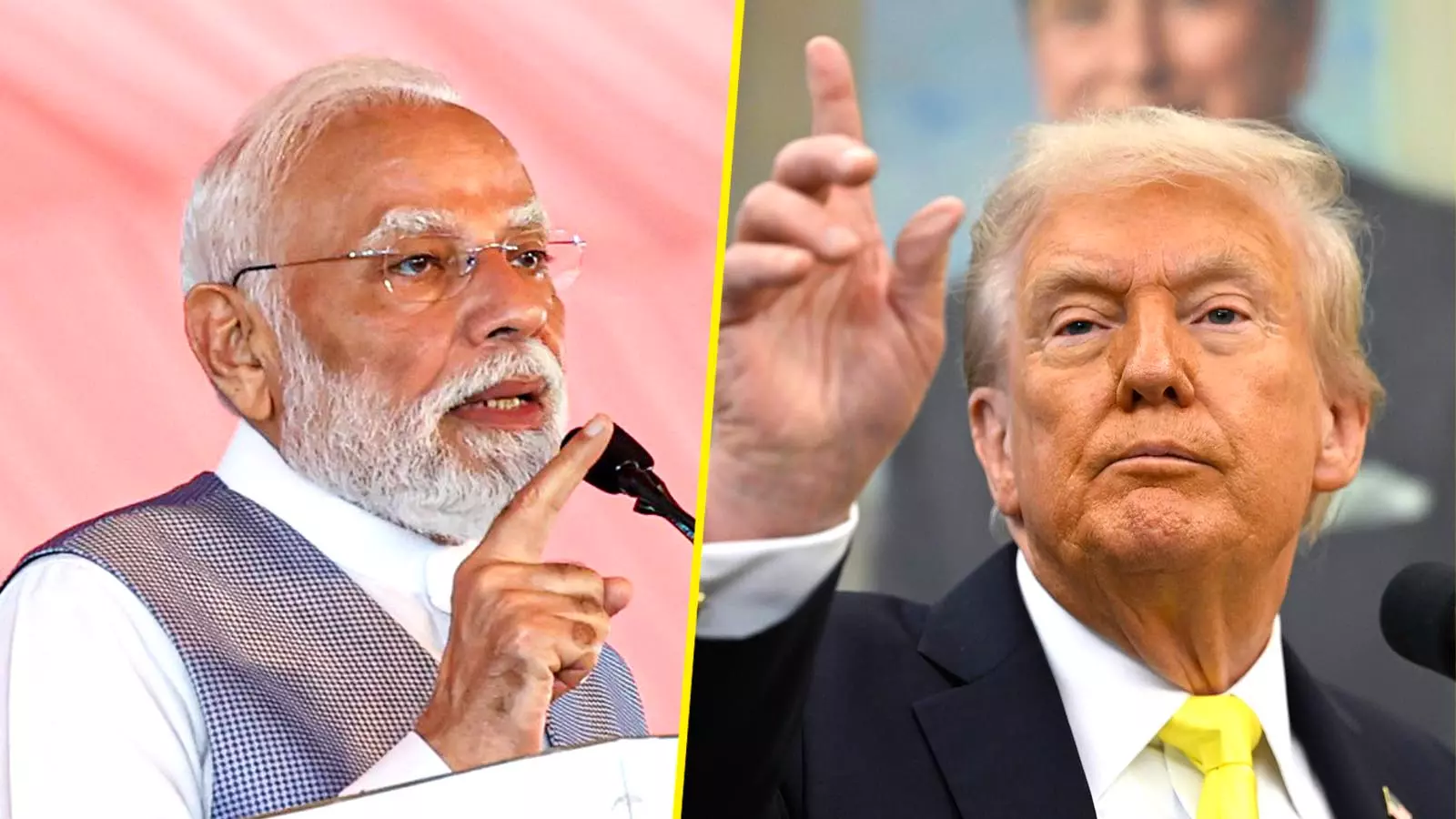
India-US trade deal: Top 10 things we know so far from Modi-Trump statements
Trump flags tariff cuts and big-ticket purchases, but no joint statement or official terms have been released by Washington or New Delhi

US President Donald Trump’s claim on Monday (February 2) that Washington and New Delhi have struck a trade deal has generated widespread attention, but concrete details remain limited. More than 12 hours after the announcement, neither government has released a joint statement, negotiated text or official fact sheet outlining the terms of the agreement.
So far, what is known in the public domain is based largely on Trump’s statements and subsequent clarifications by US officials.
Also read: US-India trade deal | Trump's claim raises doubts over scope and timelines: GTRI
Here is a point-by-point look at what has been announced, what has been clarified and what remains uncertain.
1. The announcement itself
On February 2, Trump said on his social media platform Truth Social that the United States had reached a trade deal with India following a phone call with Prime Minister Narendra Modi. He described it as a major agreement involving tariff reductions, expanded market access and large-scale purchases of US goods by India.
2. US tariff reduction to 18 per cent
Trump said the US would immediately reduce its “reciprocal tariff” on Indian goods to 18 per cent. Initial ambiguity arose because earlier punitive tariffs linked to India’s purchases of Russian oil had reportedly raised duties to as high as 50 per cent. US officials later clarified that tariffs would indeed be reduced from 50 per cent to 18 per cent, though the scope of products covered has not been disclosed.
3. No clarity on product coverage
There is no information yet on which Indian exports will benefit from the reduced tariff. It is also unclear how the new rate will interact with existing most-favoured-nation tariffs or sector-specific duties already in place.
4. Key US tariffs likely to remain
There has been no indication that the deal affects US Section 232 tariffs. Duties of 50 per cent on steel, aluminium and copper, and 25 per cent on certain auto components, are expected to remain. Zero-duty treatment already applicable to pharmaceuticals, aircraft and parts, and some electronic and mechanical components is also unchanged.
5. India’s alleged zero-tariff commitment
Trump claimed that India had agreed to cut tariffs and non-tariff barriers on US products to zero. No confirmation has come from Indian authorities, and there is no clarity on which sectors or products this would apply to. Sensitive areas such as agriculture and regulated imports have not been mentioned in any official communication.
6. The $500 billion purchase claim
One of the most striking assertions was that India would buy more than US dollars 500 billion worth of US goods, including energy, technology, agricultural products and coal. No timeline was provided. India’s current annual imports of goods and energy from the US are under US dollars 50 billion, suggesting the figure, if accurate, would imply a very long-term objective rather than an immediate commitment.
7. Shift away from Russian oil
Trump said India had agreed to stop buying Russian oil and instead increase purchases from the US and Venezuela. Such a move would represent a significant shift in India’s energy sourcing strategy, but New Delhi has made no public statement confirming this or explaining how it would be implemented.
8. Absence of official documentation
As of now, there is no joint statement, legal text or implementation timeline from either side. Standard elements of trade agreements — such as enforcement mechanisms, safeguard clauses and dispute resolution processes — have not been outlined.
9. Political signal, not a finished deal
In the absence of formal documentation, the announcement remains a unilateral political statement rather than a concluded trade agreement. Until both governments release official texts and confirm commitments, the scope and impact of the claimed India-US trade deal remain uncertain.
10. No indication of congressional or parliamentary process
Major trade agreements typically require domestic approval processes, including congressional scrutiny in the US and parliamentary oversight in India, depending on the scope of commitments. So far, there has been no indication that such processes have been initiated or even contemplated, reinforcing the view that the announcement precedes — rather than concludes — formal negotiations.