







The Zing Thing is back! Gold Spot set to return after 26 years
Coca-Cola set to revive the cult orange fizzy drink in a low-sugar avatar, betting on nostalgia, quick commerce and a new generation of consumers

Remember “The Zing Thing”? If you are an Eighties kid, you probably never forgot Gold Spot, one of the iconic home-grown soft drinks that regularly appeared in Doordarshan commercials, luring the youngsters of that age with its bright orange fizz. The good news is that it’s set to make a comeback.
According to a report by The Economic Times, Coca-Cola India is set to relaunch Gold Spot, which disappeared from shelves more than two decades ago, marking the brand’s comeback after a 26-year hiatus. While the revival is expected as early as next week, you may be disappointed to learn that the Gold Spot returning to the market is unlikely to be the same product you may remember from the 1970s, ’80s and ’90s.
Coca-Cola reportedly plans to position the revived brand as a low-sugar or no-sugar beverage, tapping into growing consumer demand for healthier drink options while giving Gold Spot a distinct identity within its portfolio.
Rise of Parle’s orange star
But did you know why, despite enjoying a cult status among Indian consumers and occupying a prominent place in family gatherings, school holidays, and birthday celebrations across the country, Gold Spot vanished from the shelves—sometime in the Nineties—in the first place?
Also read: Reliance’s ice cream entry may be bigger than the scoop
Gold Spot’s story began in 1952 when Parle introduced the orange-flavoured carbonated drink after shelving its early cola experiment, known as Gluco Cola or Parle Cola, following trademark-related objections from Coca-Cola. The new beverage took inspiration from Parle’s successful Gold Star peppermint brand and quickly established itself as a popular soft drink.
The brand’s popularity soared in the decades that followed. After Coca-Cola exited India in 1977 under foreign exchange regulations (FERA), Parle founder Ramesh Chauhan built a powerful domestic beverages empire that included Thums Up, Limca, Maaza, and Gold Spot.
Drink of the aspirational 1970-80s Indian
During the 1970s and 1980s, Gold Spot became synonymous with India’s emerging soft-drink culture. For many consumers of that era, the orange beverage was closely associated with summer vacations, family outings, and childhood celebrations. Its colourful bottle caps became collectibles, while the brand developed a distinctive identity in an increasingly competitive market.
Gold Spot’s advertising campaigns played a major role in cementing its popularity. Initially promoted with the slogan “Livva Little Hot, Sippa Gold Spot”, the brand’s model was none other than veteran actress Rekha (then a PYT), and the commercial had big names of Indian film and advertising world associated with it. The ad film, directed by Shyam Benegal, with Prahlad Kakkar assisting him, was shot by Govind Nihalani.
Also read: Tata Steel to take over APL Apollo in Rs 32,266-crore deal; open offer worth Rs 16,756 crore
In the Eighties, the brand adopted what would become its most memorable tagline, “The Zing Thing”. The slogan, paired with energetic Doordarshan commercials in the mid-1980s, helped make Gold Spot one of the most recognisable beverage brands in India.
How Gold Spot vanished
The fall came in 1993 when Coca-Cola re-entered the Indian market and acquired Parle’s entire beverage portfolio for an estimated USD 40 million. Along with Gold Spot, the deal included marquee brands such as Thums Up, Limca, Citra, and Maaza.
While several of those brands continued to thrive under Coca-Cola’s ownership, Gold Spot faced a different fate. The orange-flavoured drink directly competed with Fanta, Coca-Cola’s globally established orange soda brand. Rather than maintain two rival orange beverages within the same portfolio, Coca-Cola gradually shifted its focus to Fanta.
Over the following years, Gold Spot’s visibility steadily declined as Fanta expanded its presence in the market. By 2000, Gold Spot had been officially discontinued, ending an almost five-decade journey and becoming one of the most frequently remembered discontinued Indian brands.
A health-focused revival
The brand’s return comes at a time when India’s beverage market looks markedly different from the one Gold Spot left behind in 2000. Reports suggest Coca-Cola intends to relaunch Gold Spot in a low-sugar or no-sugar format, allowing the company to address changing consumer preferences without directly competing with Fanta’s traditional sugary orange-soda positioning.
Also read: FSSAI ‘advisory’ orders stricter labelling of herbal supplements, flags 16 entries
The strategy reflects a broader shift across the beverage industry, where companies are increasingly introducing reduced-sugar alternatives amid growing health awareness and regulatory scrutiny.
The rollout is also expected to be highly targeted. Instead of a nationwide return through traditional retail channels, the initial launch is reportedly being limited to canned formats and quick-commerce platforms. Such an approach would allow Coca-Cola to gauge consumer response while generating excitement around the brand’s comeback.
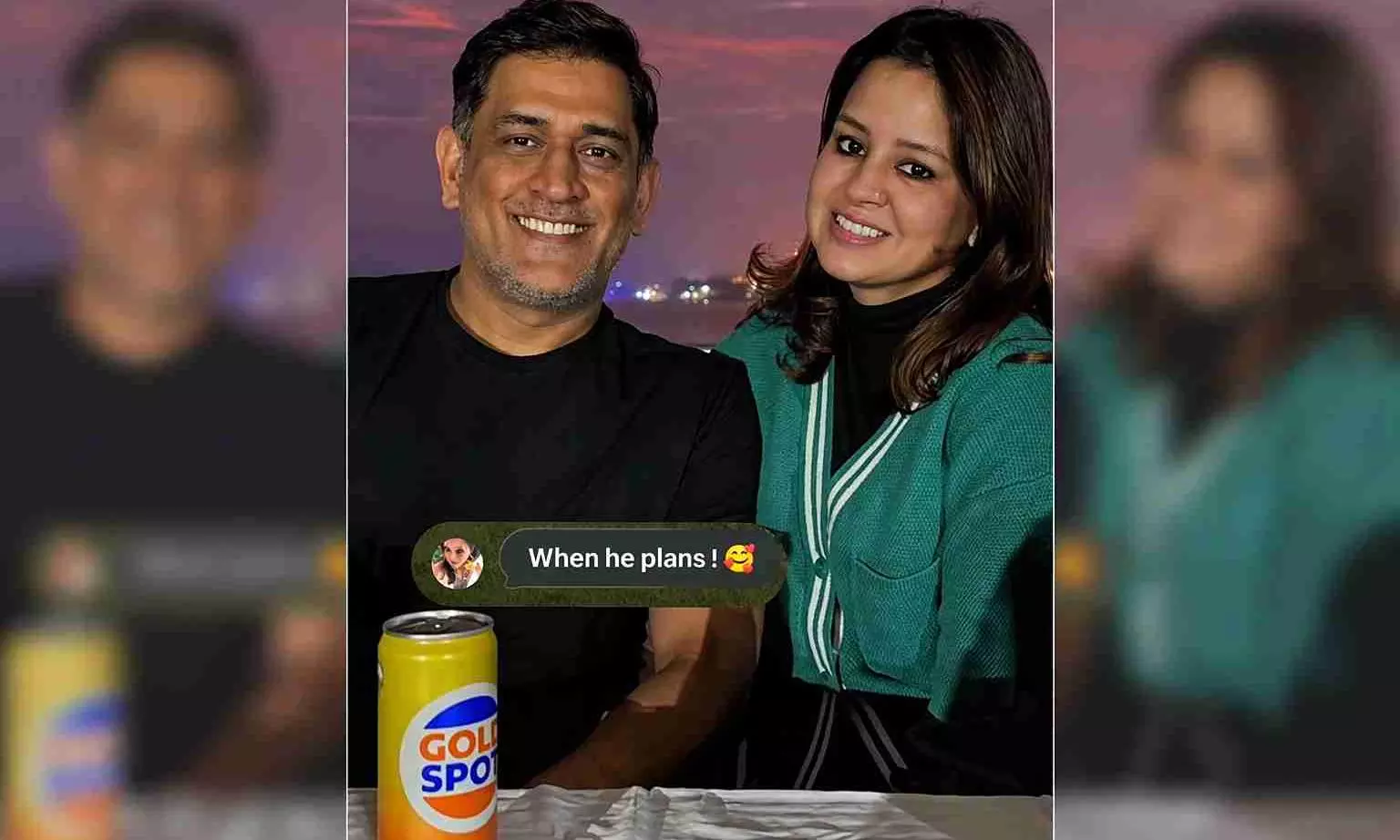
Adding to the buzz, in an evident teaser, former Indian cricket captain MS Dhoni's wife Sakshi Dhoni recently shared a photo of the two on Instagram with a Gold Spot can casually but strategically placed in front of them. And nostalgic netizens did not miss the hint. For Coca-Cola, the return of Gold Spot is an attempt to harness this nostalgia while adapting to a new era of consumer preferences.
Whether Gold Spot can capture the imagination of Gen Z remains to be seen, but its return is certain to evoke nostalgia for Gen X, which grew up with “The Zing Thing”.