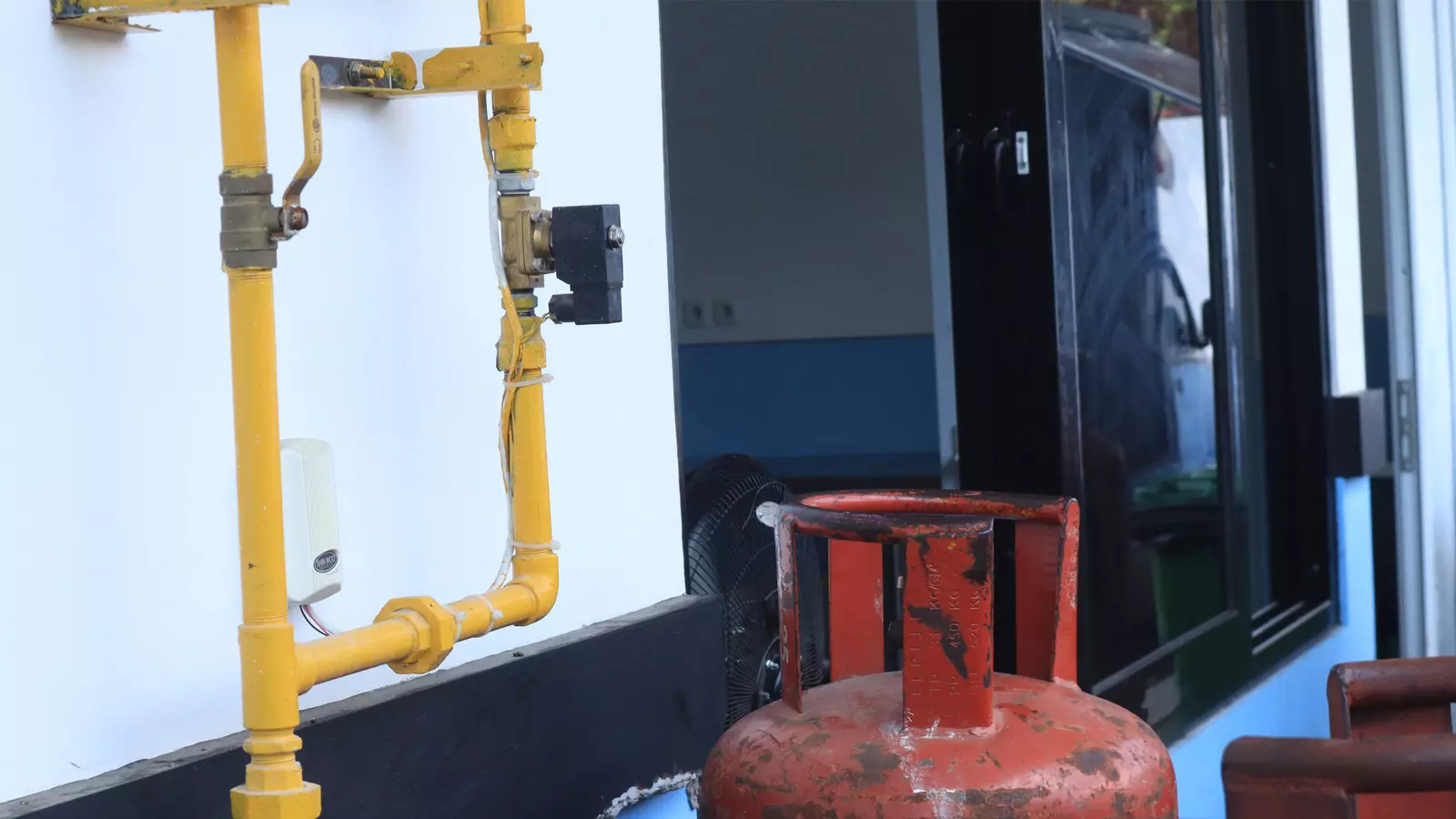
LPG shortage triggers PNG push, and exposes its logistical limits
Centre eyes 12.6 crore PNG links by 2034, but slow approvals and uneven rollout risk target as LPG shortage deepens

The ongoing US-Israel-Iran war has triggered an LPG shortage across India, pushing the government to accelerate the shift to piped natural gas (PNG). But the numbers tell a disappointing story.
In December 2025, India had 1.62 crore domestic PNG connections, with the government targeting 12.6 crore by 2034, nearly eight times the current figure. However, in the past five years, fewer than 90 lakh new connections have been added. At this pace, the 2034 target may be difficult to achieve.
Also read: LPG crunch: Centre links higher commercial supply to faster PNG rollout by states
The state-wise picture is lopsided, with Maharashtra leading the PNG connections (27 per cent), followed by Gujarat (26 per cent), Uttar Pradesh (13 per cent), Delhi NCR (12 per cent), and Karnataka (3 per cent). Large parts of the country still lack access.
The bottleneck
The government has identified the bottlenecks blocking the progress of PNG expansion. Speaking in the Lok Sabha on March 19, Petroleum Minister Suresh Gopi cited delays in the departmental approvals as the biggest obstacle.
In response, the Centre issued several directives. On March 16, the Centre urged the states to fast-track clearances. On March 18, it offered states a 10 per cent additional commercial LPG allocation as an incentive to push PNG transitions. On March 19, all ministries were directed to clear pending City Gas Distribution (CGD) infrastructure cases immediately and by March 20, ministries were asked to map PNG demand within their own departments and appoint nodal officers. The Petroleum and Explosives Safety Organisation (PESO) has since been directed to process CGD applications within 10 days.
Also read: Beyond the kitchen: Transport and industries begin to feel LPG pain
Whether this translates into action on the ground remains to be seen.
The Iran conflict has disrupted supply chains, triggering an LPG shortage across India marked by limited cylinder availability, rising prices, and long queues at distribution centres. PNG supply, by contrast, has continued uninterrupted for domestic users with industries and commercial consumers receiving around 80 per cent of their usual gas allocation.
Incentives on the table
To boost the PNG network, gas companies are offering incentives to consumers. Indraprastha Gas Limited in New Delhi is offering free gas worth up to Rs 500 on new connections and is receiving 1,500 new applications daily. Mahanagar Gas in Mumbai is offering a Rs 500 discount on registration. Meanwhile, the PNGRB has directed all CGD companies to reduce the time between application and gas supply.
Also read: Is India really facing an LPG shortage? This is what expert says
A High Level Expert Committee headed by DK Sarraf has recommended a 'Har Ghar PNG — Prajwala' scheme modelled on Ujjwala Yojana that provides one-time subsidy on connection charges and consumption assistance for economically weaker families, with a direct benefit transfer mechanism. The committee argued that this would level the playing field between PNG and LPG, especially in Tier-2, Tier-3 and rural areas covered under recent CGD licensing rounds.
Half a century of wait
India has had piped cooking gas since 1972, when Vadodara got its first connection. More than five decades on, its reach is limited to only a small share of households. The ongoing Iran crisis has injected fresh urgency into expansion plans, but urgency alone cannot drive infrastructure. Without faster approvals, stronger incentives and serious last-mile connectivity, the target of 12.6 crore connections risks remaining more aspirational than achievable.(This article was originally published in The Federal Desh)