COP31: Turkiye climate talks crumble as oil powers put geopolitics first
The breakdown in climate negotiations exposed the limits of diplomacy in a world where access to energy, control of markets and geopolitical leverage dictate national priorities

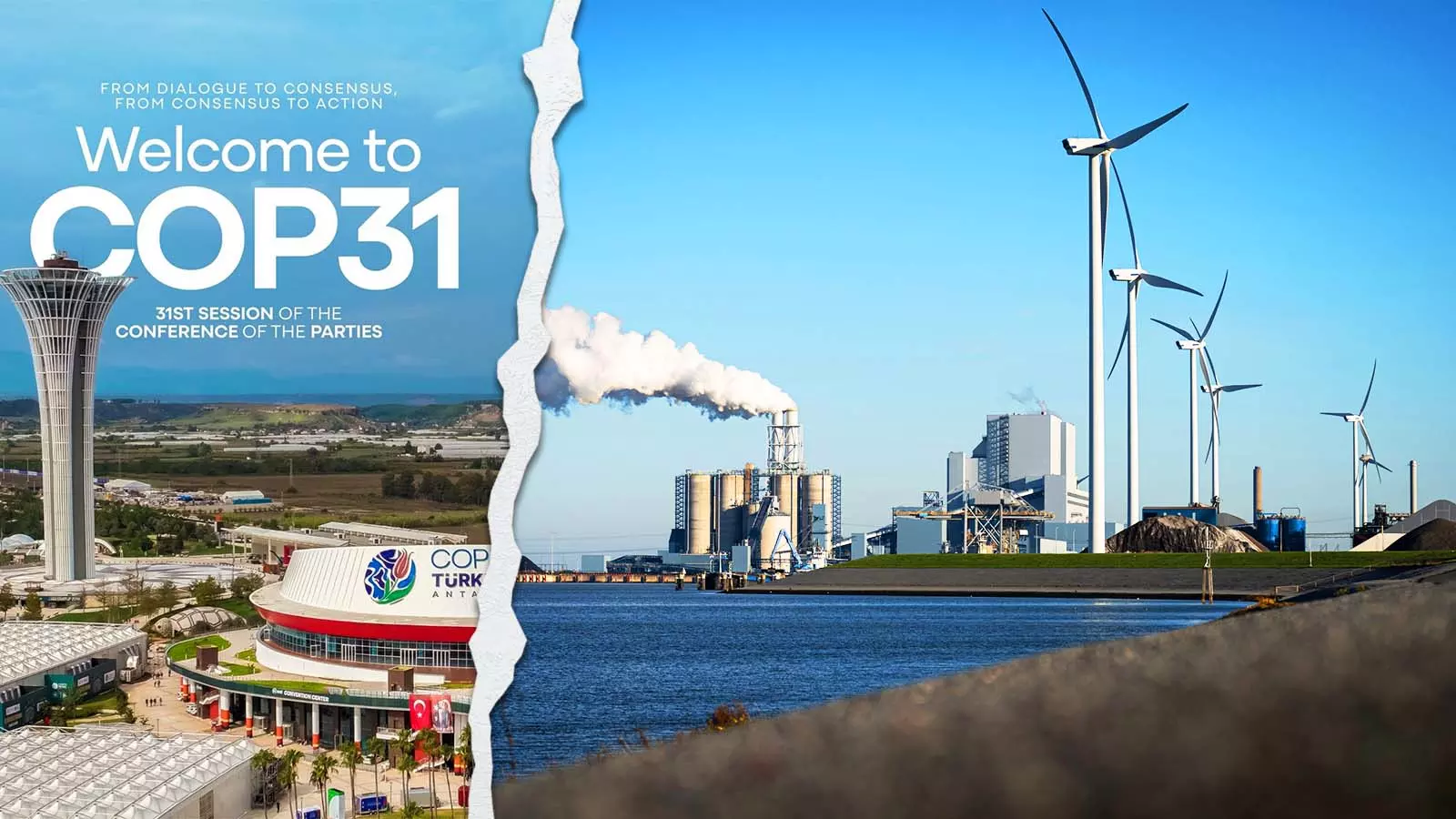
Negotiations in Antalya extended beyond the scheduled closing, but countries failed to agree on stronger fossil fuel commitments and quantified climate finance pledges. Representative image
The UN climate talks in Türkiye collapsed on Sunday (November 22), exposing the failure of governments to agree on even a broad political direction for the energy transition required to restrain global warming. Three days earlier, China, Russia and the US had issued a joint declaration pledging to increase the production and supply of refined petroleum products.
The contrast couldn’t have been starker. While representatives from nearly 200 countries gathered in the Mediterranean resort city of Antalya could not agree on a common climate statement, three major powers found common ground in securing more petroleum.
This is realpolitik at work. In a world riven by conflicts and tariff wars, energy supply, strategic influence and national economic interests continue to outweigh collective climate commitments. The Antalya collapse showed the limits of climate diplomacy when it runs up against the interests of powerful states.
Oil and the politics of power
The declaration by US President Donald Trump, Chinese President Xi Jinping and their Russian counterpart Vladimir Putin in Shenzhen on November 19 placed stable energy flows and increased refined petroleum supplies among their shared priorities. It set no production targets or timetable and did not establish a formal oil-production alliance. But its political message was clear. The three powers intend to keep petroleum supply central to their energy strategies.
Also read: COP31 | How India’s rising climate risk puts state finances under pressure
Their interests differ. The US is the world’s largest oil producer, China the largest crude importer, and Russia a major producer and exporter. Yet all three recognise the strategic value of secure petroleum supplies. Although oil and gas are the main drivers of the climate emergency, control over production, markets and transport routes brings economic returns and geopolitical leverage.
Wars and attacks on energy infrastructure have reinforced that calculation. Disruption in the Middle East and Russia has tightened supplies of refined products, particularly diesel. The International Energy Agency’s November oil market report shone a spotlight on the pressure on product markets and high freight costs for crude moving from the Middle East to Asia.
For governments, energy security is inseparable from national security. Oil keeps transport, industry and trade moving. It also gives producers leverage over importers and leaves fuel-dependent economies exposed to conflict and price shocks.
Climate diplomacy loses ground
Against this backdrop, the collapse in Antalya was a major setback. The first draft of the proposed political statement, issued on November 16, reaffirmed the 2023 commitment made at the Dubai summit to move away from fossil fuels in energy systems and called for accelerated action to phase them out.
That language disappeared from the November 19 revision. It was also absent from the final proposals presented on November 22. Countries failed to adopt the proposed overarching decisions that would have formed the Antalya Pact.
Also read: COP31 Climate Summit: UN warns of ‘new age of climate extremes’
The dispute was about more than fossil-fuel language. Nations remained divided over climate finance, historical responsibility and who should pay for the transition. India, speaking on behalf of the Like-Minded Developing Countries, said rich nations were seeking new commitments from emerging economies while refusing to engage meaningfully on finance.
The talks did produce separate decisions on adaptation, the Adaptation Fund and just transition. But the failure to agree on the main political statement exposed how fragile the consensus reached at Dubai had become. The commitment to move away from fossil fuels had survived one summit since then. In Antalya, governments could not even reaffirm it.
India’s energy dilemma
For India, the clash between energy security and climate commitments is not theoretical. The country imports nearly 89 per cent of the crude oil it consumes, while also exporting refined petroleum products. Its economy depends on access to imported crude, affordable supplies and secure shipping routes.
That dependence leaves India exposed to decisions taken by oil producers, conflict in supply regions and disruption along vital routes such as the Strait of Hormuz. Higher oil prices feed into transport, manufacturing and household costs. Expanding domestic renewable energy and electrifying transport are, therefore, not only climate measures. They are also ways to reduce exposure to external shocks.
However, the transition requires investment, technology and time. India and other developing economies argue that richer countries must provide finance and give them room to pursue development while cutting emissions. That argument was central to the breakdown in Antalya, but it could not bridge the divide.
Also read: COP31 in Antalya: Big polluters and climate activists under one roof
UN Secretary-General António Guterres had warned world leaders at the start of the summit. “A world divided by trade barriers, technology monopolies and geopolitical rivalry means a transition that costs more, takes longer, and leaves billions behind,” he had said.
His warning went to the heart of the failure in Türkiye. The energy transition is being shaped not only by technology and climate science, but by competition for resources, markets and strategic advantage. The three powers in Shenzhen acted on their shared petroleum interests. The countries assembled in Antalya could not agree on a common political response to the climate crisis.
The lesson is not that climate diplomacy has become irrelevant. It is that it cannot overcome great-power interests by declarations alone. Until governments are prepared to confront the politics of fossil-fuel dependence, the gap between climate promises and national energy strategies will continue to widen.