



India seeks devolution of powers by Lankan govt to minority Tamils

India on Saturday (September 26) pitched for devolution of powers by the Sri Lankan government to the minority Tamils in the island to realise their expectations of equality, justice, peace and dignity and take forward the process of peace and reconciliation.
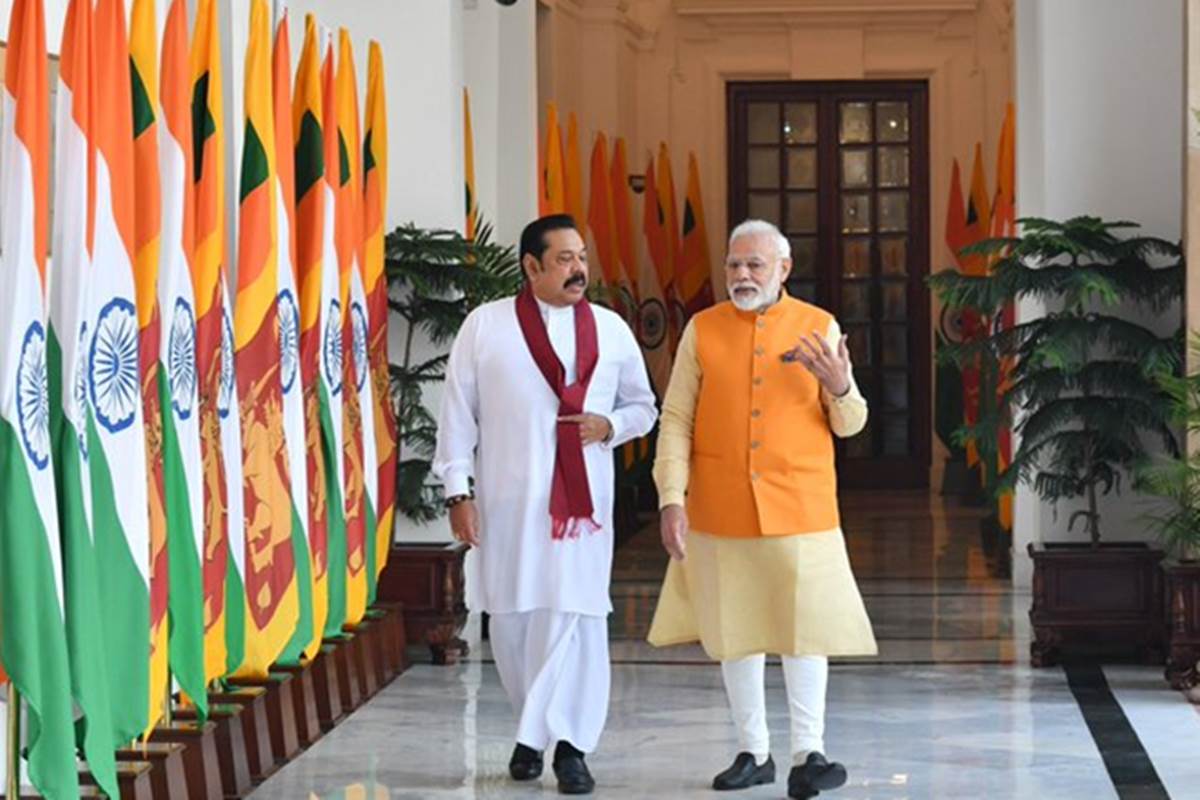
The issue figured prominently in a virtual bilateral summit between Prime Minister Narendra Modi and his Sri Lankan counterpart Mahinda Rajapaksa.
In the talks, Modi emphasised on full implementation of the 13th amendment to the Sri Lankan Constitution, saying it is essential for the peace and reconciliation process, according to the Ministry of External Affairs (MEA).
The 13th amendment provides for devolution of power to the Tamil community in the neighbouring country.
India has been pressing Sri Lanka to implement the 13th amendment which was brought in after the Indo-Sri Lankan agreement of 1987 which envisaged devolution of powers to the Tamils.
The two leaders also deliberated on a range of key issues including on ways to deepen defence and security ties as well as trade and investment cooperation.
“The outcomes of the summit are substantial, forward looking and will help in setting an ambitious agenda to deepen ties,” Joint Secretary in the Indian Ocean division in the MEA Amit Narang said at a media briefing.
The two leaders also exchanged views on the fishermen issue and agreed to continue and strengthen the ongoing “constructive and humanitarian” approach to deal with it, Narang added.
In the talks, Modi also announced a grant assistance of USD 15 million for promotion of Buddhist ties with Sri Lanka.
In his opening remarks, Modi said he was confident that the massive electoral victory by the ruling party in Sri Lanka backed by Rajapaksa governments policies will facilitate deeper cooperation between the two countries.
“An opportunity has come to begin a new chapter in India-Sri Lanka ties after your parties massive electoral victory. People from both countries are looking at us with new hope and expectations,” Modi said.
Rajapaksa was sworn in as Sri Lankan prime minister for a fresh term on August 9 after his party, Sri Lanka Peoples Front, secured a two-thirds majority in the parliamentary polls.
Modi said India gives priority to its relations with Sri Lanka as he mentioned his governments neighbourhood first policy as well as SAGAR (Security and Growth for All in the Region) doctrine.
It was Prime Minister Modis first such virtual bilateral engagement with a leader of a neighbouring country. For Rajapaksa, it was the first diplomatic engagement with a leader of a foreign country after he was sworn in as prime minister. On the Tamil issue, Narang said both the leaders exchanged views on the reconciliation process. “Prime Minister Modi called on the new government in Sri Lanka to work towards realising the expectations of Tamils for equality, justice, peace and dignity within a united Sri Lanka by achieving reconciliation,” he said.
He said Modi and Rajapaksa expressed satisfaction over robustness of defence cooperation and agreed to further strengthen maritime security ties.
Narang said the technical discussions on Sri Lankas request for deferment of debt repayments are going on: MEA after Modi-Rajapaksa talks.
(Except for the headline, this story has not been edited by The Federal staff and is auto-published from a syndicated feed.)