



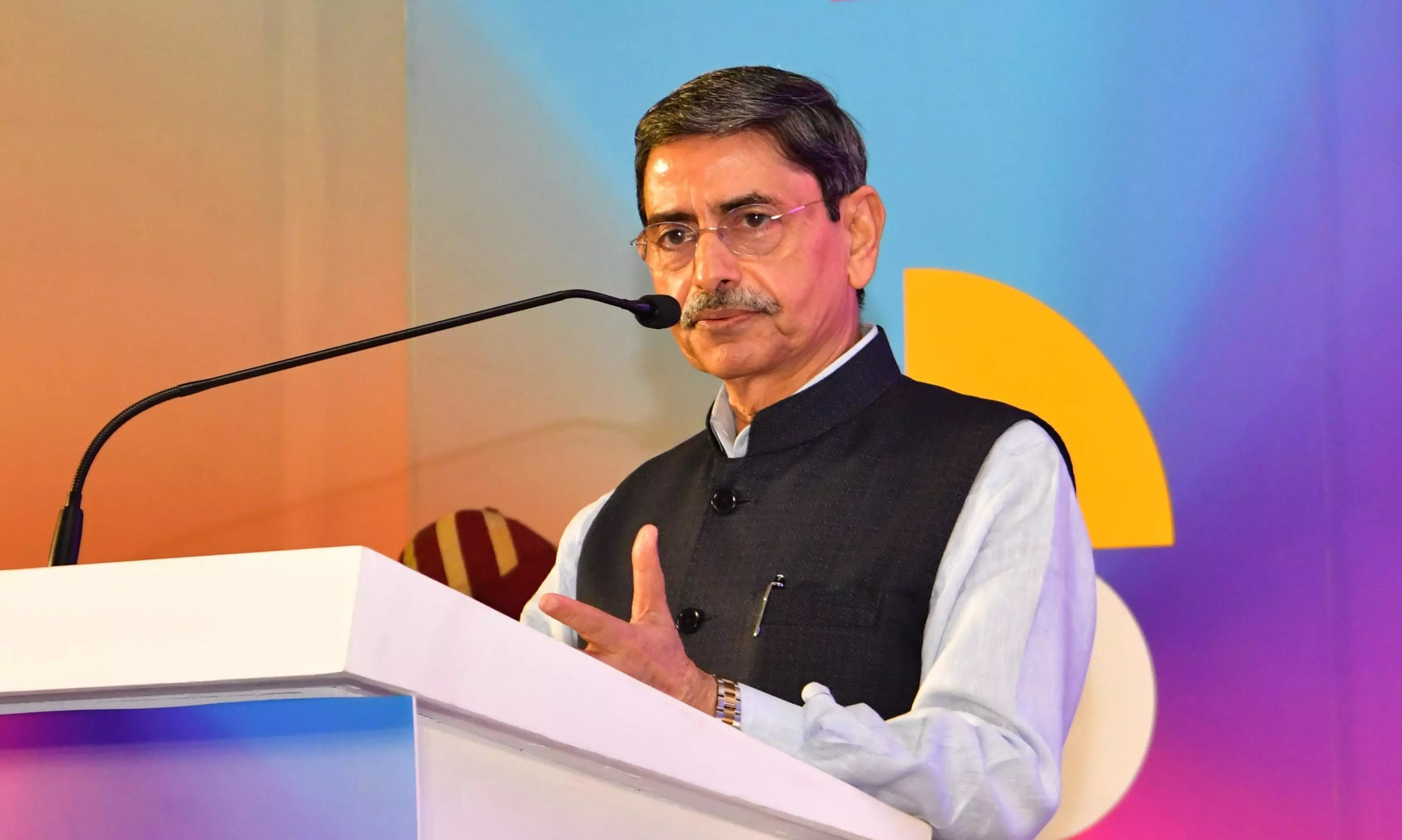
Why RN Ravi’s exit as Governor may cost DMK its most useful political ‘villain’
The combative Governor handed Stalin govt a ready-made federalism narrative — every Raj Bhavan row a gift that rallied cadres, consolidated public sympathy

RN Ravi, on Thursday (March 5), was shunted out as Tamil Nadu Governor, but it was not exactly breaking news. Over the past month, political circles in the state had been abuzz with speculation that Ravi could be replaced at any time.
Ravi had assumed office as Tamil Nadu’s 26th Governor in September 2021, after serving the gubernatorial post in Nagaland. From day one, there was little pause. His over four-year tenure in Tamil Nadu was characterised by disputes with Chief Minister MK Stalin's administration, particularly over pending Bills (such as those opposing NEET and university vice-chancellor appointments), Assembly proceedings, and public comments on issues like Sanatan Dharma and Dravidian ideology.
Also read: What's behind Centre's Governor rejigs? | Capital Beat
For the ruling DMK, which frequently speaks of federal autonomy, an “adversarial image” has always been politically useful. Every time Ravi spoke on Sanatan Dharma, Dravidian ideology, or university appointments, the DMK successfully reframed it as “anti-Tamil Nadu”, using the narrative to energise cadres and consolidate public support.
What Ravi’s exit means
Political observers now say that with Ravi’s exit, the party may lose a potent weapon to rally its base.
Ravi’s statements and actions had the DMK organising repeated protests outside Raj Bhavan (Lok Bhavan), creating a public perception of “Governor interference”. This earned the party considerable sympathy. A new, low-profile Governor who functions smoothly could change the script.
Also read: 'ADMK is now Amit Shah Dravida Munnetra Kazhagam' | Interview with MMK’s Jawahirullah
On the administrative front, the change comes as a major relief for the ruling party. Several key Bills, including the anti-NEET legislation and those concerning university Vice-Chancellor appointments, have been pending assent. Sources say a new Governor may clear the backlog, ending the prolonged standoff. The cold war between Lok Bhavan and the Secretariat is also expected to ease.
Speaking to The Federal, Tamil Nadu CPI State Secretary M Veerapandiyan said: “Governor RN Ravi, now moving to West Bengal, should keep in mind the lessons Tamil Nadu has taught through its struggles. He must respect parliamentary democracy, federal principles, state rights, the sentiments of the people and secularism. He kept several Bills passed by the Tamil Nadu Assembly pending without assent — a move even the Supreme Court criticised.”
“During the Assembly session, he refused to read the address prepared by the Council of Ministers and tried to deliver his own version. He staged a walkout, thereby insulting the elected Tamil Nadu Legislature,” said Veerapandiyan. “Till the end, he maintained an adversarial stand against the people’s government and worked against Tamil Nadu’s culture, language and progressive traditions.”
BJP dismisses political motive
Tamil Nadu BJP state president Nainar Nagendran, however, dismissed any political motive. “The Governor had been in the post for a very long time. That is why he has been transferred. There is no politics in this,” he told The Federal.
As Tamil Nadu awaits the arrival of its new Governor, the political temperature in the state is expected to drop at least on the Lok Bhavan front even as the larger battle over federalism and state rights continues.
DMK reactions have been laced with sarcasm. Minister TRB Rajaa posted, "We will miss you Ravi!" with accompanying visuals, while MP P Wilson lamented losing a "star campaigner" for the DMK ahead of elections, adding that Ravi's move harms West Bengal's federal structure and democracy. Wilson described Ravi's tenure as detrimental to the Constitution wherever he served.
Arlekar gets additional charge
Kerala Governor Rajendra Vishwanath Arlekar has been assigned the additional charge of Tamil Nadu. Arlekar is a 71-year-old BJP veteran from Goa with a political background rather than bureaucratic roots. A Dalit community member and early RSS affiliate, he joined the BJP in 1989 and rose through party ranks in Goa, serving as MLA, Assembly Speaker (2012-15), and minister under the late Manohar Parrikar (handling forests, environment, and panchayati raj). He pioneered India's first paperless state Assembly in Goa.
His style is described as administrative and low-key compared to Ravi's confrontational approach.
