







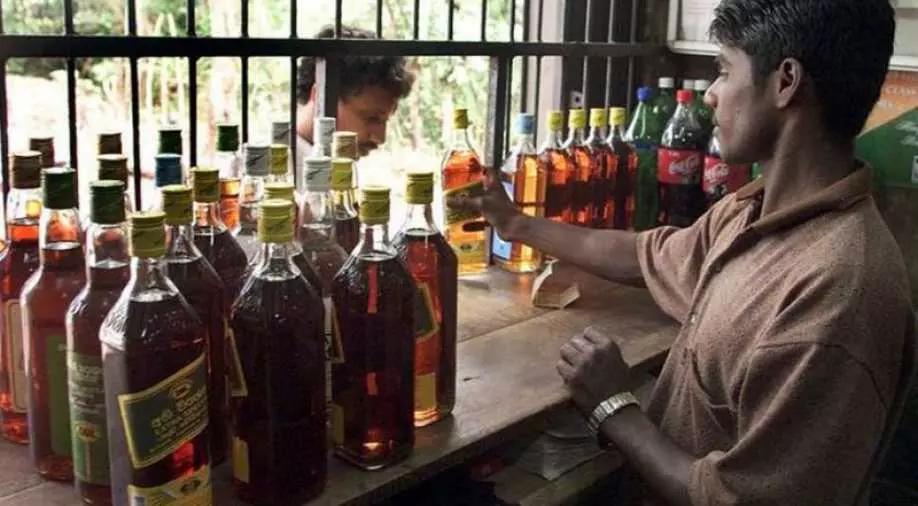
Vijay govt halts Rs 3,600-crore ‘Tasmac corruption’, vows transparency
Minister Vignesh says procurement scams and bottle overpricing stopped; all liquor revenues to flow into state treasury, no privatisation planned

Tamil Nadu Chief Minister C Joseph Vijay’s government has intensified its reform drive against the state‑run liquor retail network Tasmac, confirming the permanent closure of 717 outlets across the state on Friday (June 5).
This marks the first major administrative action of the newly formed Tamilaga Vettri Kazhagam (TVK) government.
In addition to closures, the administration has launched a financial crackdown on corruption, citing leakages of nearly Rs 102 crore per month—amounting to Rs 1,600 crore over five years—through informal “party fund” diversions. Vijay directed that all liquor revenues must flow transparently into the state treasury.
Tasmac corruption crackdown: Key figures
Procurement scam: Rs 90 per liquor case, Rs 40 per beer carton, Rs 20 per wine carton siphoned off annually
Annual procurement: 88 lakh liquor cases
Bottle deposit scam: Rs 10 excess per bottle collected for 4 years
Daily sales: 1 crore bottles sold per day
Leakage estimate: Rs 10 crore excess collected daily
Annual loss: Rs 3,600 crore diverted annually
Monthly loss: Rs 300 crore diverted monthly
Commission ‘scam’
Prohibition and Excise Minister K Vignesh told the media that a “massive corruption network operating within Tasmac” has been dismantled.
For years, commissions were allegedly siphoned off during procurement — Rs 90 per liquor case, Rs 40 per beer carton, and Rs 20 per wine carton — amounting to thousands of crores annually. This practice was stopped through a government order issued on June 5, he said.
He explained that nearly 88 lakh cases of liquor were procured annually, and the commissions were diverted to individuals with political connections. Chief Minister Vijay has broken this syndicate, and strict action will be taken against anyone found guilty of corruption.
‘Scam’ in liquor sales
Vignesh highlighted another scam involving the Rs 10 deposit per liquor bottle. While the deposit system was introduced only last year, for four years before that, Tasmac outlets collected excess amounts from customers. In 2021–22, about one crore bottles were sold daily, meaning at least Rs 10 crore was collected extra per day, translating to Rs 300 crore a month and Rs 3,600 crore annually.
Employees received only a small share of this money. Vignesh said this malpractice has now been stopped, and by the end of June, the practice of charging above the Maximum Retail Price (MRP) will be fully eliminated.
The minister also clarified that there are no plans to privatise Tasmac sales, despite ongoing debates. Instead, reforms will focus on transparency, accountability, and ensuring a drug‑free Tamil Nadu.
Closure completed
The Tasmac closures targeted shops located within 500 metres of schools, places of worship, and bus terminuses. According to official figures, 276 shops near temples and churches, 186 near educational institutions, and 255 around transport hubs were shut down.
The regional breakdown showed Madurai leading with 290 closures, followed by Coimbatore (179), Tiruchi (84), Chennai (82), and Salem (82).
The government has acknowledged that the closures will result in an estimated Rs 8,000 crore annual revenue loss, but Chief Minister Vijay has ruled out reopening the outlets or raising liquor prices to offset the shortfall.
Reckless or revolutionary?
Besides closures, the government has reinforced a strict age limit of 21+ for alcohol purchases, mandating biometric and ID checks at counters. Staff found guilty of underage sales or unofficial surcharges will face termination.
The reforms have drawn mixed reactions. While Opposition parties have criticised the move as financially reckless, the Madras High Court has endorsed the closures as a “good decision”, strengthening the government’s stance.
With Tasmac generating around Rs 150 crore in daily sales, the closures represent about 15 per cent of the state’s 4,765 outlets. Vijay’s administration has framed the measures as a public welfare initiative, signalling a sharp shift in Tamil Nadu’s liquor policy under his leadership.