







From 89,000 to over 10 lakh: Tamil Nadu’s 'tablet' seizures explode in 2026
The state’s tablet seizures surged from 89,435 in January-September 2025 to over 10.8 lakh in the same period of 2026, prompting a shift in police priorities

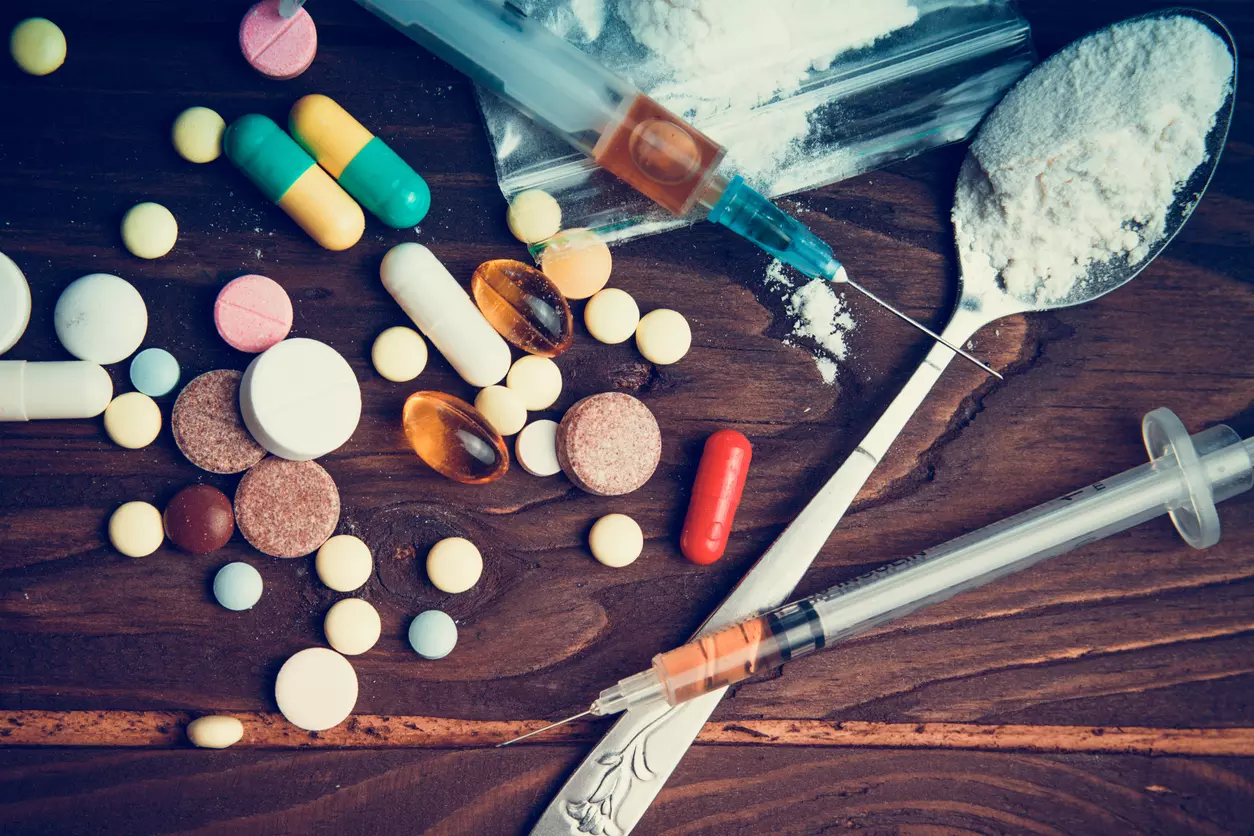
Pharmaceutical tablet seizures in Tamil Nadu have surged more than 12-fold, from 89,435 in the first nine months of 2025 to 10,89,146 in the same period this year, prompting police to shift their focus sharply from their long-standing campaign against ganja.
The surge is mostly in the Central Zone, where recoveries jumped from just 1,419 tablets to 5,07,326, driven almost entirely by Pudukottai district’s 4,85,940 tablets. Overall, narcotics cases rose 29.6 per cent to 11,943 and the number of accused increased 24.2 per cent to 17,412, even as ganja seizures grew by only 8.1 per cent.
Tablet seizures reshape strategy
ADGP of Enforcement Bureau CID, Tamil Nadu Police, K Shankar said the state’s anti-narcotics strategy had undergone a deliberate shift this year, with the primary focus now on curbing the misuse of painkiller tablets diverted for intoxication. For the last four years, the police had focused on eradicating ganja and other traditional substances. While those efforts have largely brought ganja circulation under control, the sharp rise in tablet seizures has forced a reorientation of priorities.
Also read | Why rising fine rice prices are fueling retail inflation in Tamil Nadu
Comparative data up to September show the scale of the shift. Ganja seizures grew by just 8.1 per cent to 21,589 kg, while seizures of “other drugs” rose 49.4 per cent to 284.8 kg. In sharp contrast, tablet seizures have come to dominate the enforcement picture.
The trend is not confined to Tamil Nadu. According to Narcotics Control Bureau (NCB) data and related government figures, seizures of pharmaceutical drugs by all drug law enforcement agencies rose from roughly 1.34 lakh kg in 2021 to about 2.37 lakh kg in 2025 (a 77 per cent increase).
The number of pharmaceutical tablets and capsules seized jumped from around 1.84 crore units in 2023 to 4.69 crore in 2024. NCB annual reports have repeatedly flagged the “ready availability of cheap, legally manufactured drugs such as Buprenorphine, Tramadol and Alprazolam through non-compliant pharmacies” as a factor making diverted pharmaceuticals an accessible substitute.
Easy access fuels tablet misuse
ADGP Shankar said that dissolving painkiller tablets in water and injecting the mixture with a syringe produces a powerful intoxicating effect, making the practice particularly dangerous. “Painkillers used for intoxication are very dangerous, so our goal this year has been changed to controlling them. For the last four years our target was the eradication of ganja and related substances. Now our full attention is on these tablets,” he said.
He attributed the relative control over ganja to sustained surveillance of traditional trafficking routes from Odisha and Andhra Pradesh, coupled with continuous monitoring at Tamil Nadu’s borders, bus stands and railway stations. With those corridors largely secured, the force has redirected resources towards pharmaceutical tablets.
On reasons for the shift in consumption, Shankar cited easy availability, lower cost and less scrutiny compared with traditional narcotics. A significant legal gap further complicates enforcement: sellers of these tablets often do not fall under the Narcotic Drugs and Psychotropic Substances (NDPS) Act and are instead booked under provisions of the Cosmetics Act or related laws, allowing them to secure bail more readily. Police are working to address this discrepancy.
Investigations have established that large quantities of the tablets are being illegally transported into Tamil Nadu from major pharmaceutical manufacturing centres in Nagpur, Mumbai and Delhi. In one pattern uncovered during inquiries, consignments were sent from Mumbai by courier in small, frequent lots to evade detection.
Tracing inter-state tablet networks
Addressing the sharp concentration of seizures in the Central Zone, particularly in Pudukottai district, which alone accounted for 4,85,940 tablets in 2026 compared with just 734 the previous year, Shankar said a major seizure in Thanjavur involving tablets originating from Nagpur had inflated the zone’s figures. “Recently a large quantity of tablets was seized in Thanjavur. Tablets brought from Nagpur were caught. That is why the Central Zone shows high numbers,” he noted. Police are now actively tracing the supply routes and have strengthened their intelligence networks in Nagpur, Mumbai and Delhi.
Shankar warned of severe health consequences, saying that the misuse of these tablets causes serious damage to the nervous system. He urged young people not to use them for intoxication.
Also read | TN’s decision to buy power at up to Rs 37 per unit triggers political row
On banned tobacco products, he said seizure quantities had remained broadly comparable with last year’s figures. After two to three years of strict enforcement, including sealing shops, the supply chain had been constrained, although officials continued to detect instances of open sale in public places. He also noted that narcotics trafficking groups had begun using WhatsApp and mobile applications to coordinate their operations.
Major meth seizure raises alarm
The challenge was further underscored this month by one of Tamil Nadu’s largest recent coastal narcotics seizures. On October 17, the Directorate of Revenue Intelligence arrested four people, including N. Boopalan (42), a lawyer and member of the TVK’s Nagapattinam district executive committee, and seized 137 kg of high-purity crystal methamphetamine valued at more than ₹100 crore. The consignment, packed in 27 silver-foil packets inside six duffel bags, was recovered from the residence of an associate, J Suganathan, in Velankanni and was allegedly intended for transfer to Sri Lanka at sea. Boopalan was identified as the alleged mastermind. TVK’s Nagapattinam district secretary subsequently expelled him from the party.
The case, registered under the NDPS Act, highlights that even as police focus on pharmaceutical tablets and claim greater control over ganja trafficking routes, sophisticated coastal trafficking in synthetic drugs continues. Networks remain capable of exploiting coastal corridors and, in some cases, involving individuals with political affiliations.
