CPM delegates call for reclaiming festivals from right-wing appropriation in Keralam
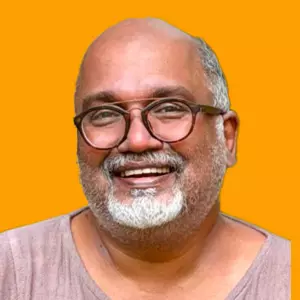
CPI(M) state secretary MV Govindan says party had to respond to attempts to communalise people's lives and outlook, while resisting both majority and minority communalism

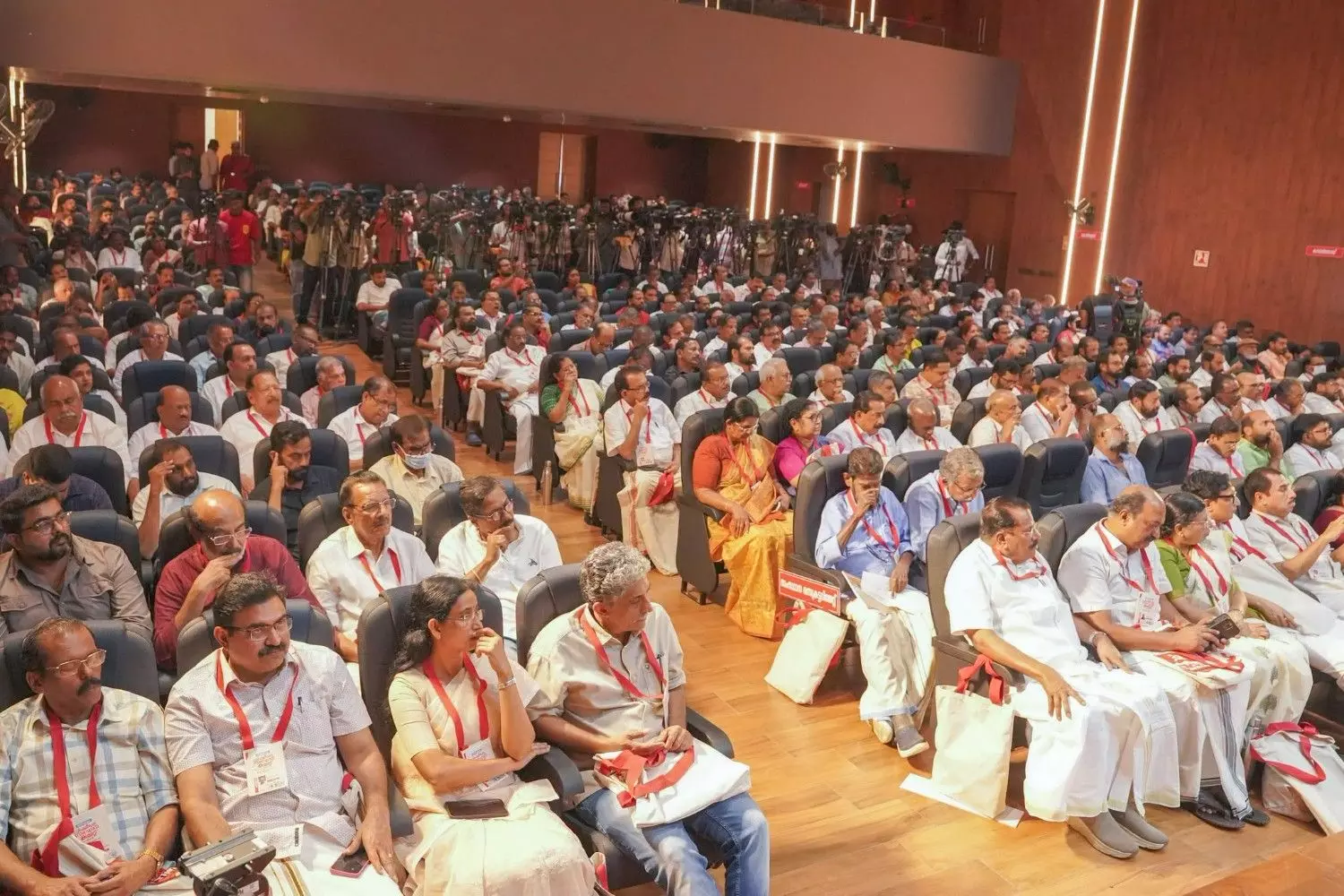
The CPI(M) has begun looking beyond conventional organisational reforms as it takes stock of its Assembly election defeat in Keralam, with delegates at its extended state committee calling for a conscious political and cultural intervention to reclaim festivals and public celebrations that they believe have increasingly been appropriated by right-wing forces.
The discussion at the extended state committee meeting in Kozhikode has focused on how the party should respond to changes in Keralam society, including the growing influence of communal politics in everyday life. Delegates have argued that festivals and cultural spaces traditionally shared by different sections of society should not be allowed to become exclusive political or communal platforms.
What Govindan said
Briefing the media on the second day of the deliberations, CPI(M) state secretary MV Govindan said the issue had emerged prominently during the discussions, though he stressed that no final decision had been taken.
“Communal forces are intervening very aggressively at present. There is a need to build an effective ideological and cultural resistance to them. This was strongly emphasised during the discussions,” Govindan said.
Also read: Can Keralam’s elderly department make real difference or remain symbolic entity?
He said the party had to respond to attempts to communalise people's lives and outlook, while resisting both majority and minority communalism.
“There are attempts to communalise people's lives and their outlook. The party must effectively resist the rightward shift, including both majority and minority communalism,” he said.
The discussion, Govindan said, had gone down to the micro level, including the need to counter superstition, irrationality, regressive positions and anti-women attitudes.
An important suggestion was to consciously turn festivals and celebrations into shared public spaces involving all sections of society. This includes Onam and festivals associated with different religious communities.
Delegates have called for a broader platform involving like-minded political parties, human rights organisations and other democratic movements to resist what they see as the increasing intervention of Central agencies such as the Enforcement Directorate (ED).
The proposal is significant given the CPI(M)'s broader concern over the growing influence of the RSS and BJP in Keralam's social and cultural spaces. Govindan said traditional festivals and celebrations should not become exclusive spaces and that the party wanted them to retain a wider public character.
Also read: Keralam power crisis: Govt explores NTPC deal as demand, outages rise
He clarified that this did not mean political intervention in religious practices.
“The intention is not to interfere in religious practices or create new problems. Traditional festivals and celebrations that have evolved within Kerala society should be treated as public spaces,” he said.
Rebuilding party
Govindan referred to Sree Krishna Jayanti while explaining the argument, asking whether such festivals should be treated as the exclusive domain of the RSS. His answer was that they should instead remain open public spaces.
The discussion also extended to temples and other places of worship. The CPI(M) leadership argued that the party cannot counter communalism by staying away from believers.
The cultural intervention is only one part of the larger organisational rethink under way within the CPI(M).
The extended state committee follows the Central Committee's review of the party's defeat in the 2026 Assembly election. That review had identified organisational weaknesses, declining contact with people, inactivity among sections of the cadre and shortcomings in candidate selection.
The Kozhikode deliberations have therefore also focused heavily on rebuilding the party from the branch level upwards.
Another major strand of the discussions concerns the political environment created by the use of central investigative agencies against Opposition leaders and political organisations.
Also read: Pinarayi Vijayan calls ED’s CMRL charges ‘old allegations in a new script’
Delegates have called for a broader platform involving like-minded political parties, human rights organisations and other democratic movements to resist what they see as the increasing intervention of Central agencies such as the Enforcement Directorate (ED).
"The proposal goes beyond the existing INDIA bloc, which the CPI(M) views primarily as a political alliance. The discussion has been around creating a wider platform that could bring together political parties as well as organisations and movements outside electoral politics" said Govindan.
Issue of accumulation of illicit wealth by party leaders
The issue assumes particular significance for the CPI(M) at a time when former chief minister Pinarayi Vijayan is facing renewed scrutiny in the CMRL-Exalogic case following the ED's move seeking a state police FIR.
At the same time, the party's internal review has turned the spotlight on another issue that could prove politically uncomfortable: the accumulation of illicit wealth by party leaders and members.
The discussions have included the need for stronger organisational intervention against such tendencies. The party has decided to take steps towards greater transparency regarding the wealth and liabilities of its leaders.
The CPI(M) leadership has maintained that the extended state committee is not merely an exercise in assigning responsibility for the Assembly defeat. The party is attempting to turn the review into a longer corrective process.
The move is intended to address concerns over allegations of leaders accumulating wealth inconsistent with their declared political commitments and to strengthen accountability within the organisation.
Also read: BJP demands Pinarayi Vijayan’s resignation as Keralam’s Leader of Opposition
The extended state committee is therefore attempting to connect several issues that may initially appear unrelated such as organisational decline, cadre education, cultural politics, communalism, central agency action and financial accountability.
The common thread is the party's attempt to redefine its political intervention in a state that it acknowledges has changed substantially.
Strong discontent
The CPI(M) leadership has maintained that the extended state committee is not merely an exercise in assigning responsibility for the Assembly defeat. The party is attempting to turn the review into a longer corrective process.
However, there is also strong discontent within a section of the party over the manner in which the introspection is unfolding. The concern is that the exercise could eventually turn into another conventional organisational conference, with familiar criticism of cadres, local committees and mass organisations, rather than a precise dissection of the political and organisational failures that led to the Assembly defeat.
Some in the party believe that unless the review identifies responsibility for specific decisions at the leadership level, examines why repeated warnings from the grassroots were not acted upon and addresses the political choices that alienated sections of the electorate, the corrective exercise could remain largely procedural. The fear is that criticism and self-criticism may end with resolutions and organisational adjustments without adequately confronting the deeper questions about the party's style of functioning, its leadership and its political direction.