



Panel submits Karnataka caste census report amid CM exit rumours
Backward Classes Commission submits the caste census report to Chief Secretary Shalini Rajneesh amid intense speculation over CM Siddaramaiah’s resignation

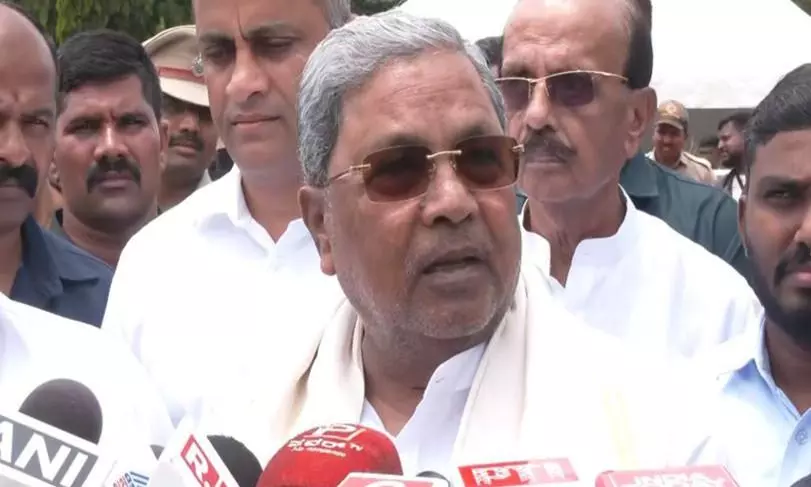
The Karnataka State Commission for Backward Classes officially submitted its socio-economic and educational survey report to state Chief Secretary Shalini Rajneesh on Wednesday (May 27). The submission took place in the presence of Chief Minister Siddaramaiah at a time when speculation is rife about his imminent exit from the government.
The massive study, which covered all 7 crore residents of the state, has popularly been referred to as the caste census and is expected to reshape the state's socio-political landscape.
A political coincidence
The timing of the report's delivery has triggered widespread political speculation across Bengaluru. Rumours are doing the rounds that Siddaramaiah will resign as the chief minister on Thursday to pave the way for his deputy, DK Shivakumar, to take over the top post. However, Commission chairman and former Advocate General Madhusudan R Naik strongly defended the timeline, emphasizing that the submission had nothing to do with the shifting political developments.
"There is no hurry," Naik told reporters earlier in the day. "As I told you, the report had been ready one month ago. We had been preparing to submit it for the past month. Since some members were unavailable, we could not give it the final touches and bind it."
Also Read: SC questions reservation benefits for children of IAS officers and affluent families
Naik explained that while the survey analysis was completed nearly six months ago, the final report was initially drafted in English. Because Kannada is the official legislative language of the state government, translating the report took considerable time. He reiterated that the Commission is a statutory authority operating independently of external governmental influence, noting that the decision to finalize the report on Wednesday was a collective choice by the members based purely on logistical convenience.
The legal stakes
Beyond the immediate leadership transition row, the data contained within the report carries immense constitutional weight for Karnataka's reservation policies. According to reports, the findings will serve as the primary legal battleground for the state's ongoing efforts to breach the strict 50 per cent quota cap mandated by the Supreme Court under the historic Indra Sawhney precedent.
Also Read: SC dismisses plea against caste enumeration in Census, says govt needs data for welfare
Karnataka currently operates on a 56 per cent reservation matrix, allocating 17 per cent to Scheduled Castes, 7 per cent to Scheduled Tribes, and 32 per cent to Other Backward Classes. Because the landmark 1992 Supreme Court ruling dictates that any reservation share exceeding the 50 percent threshold requires rigorous justification, the state government has been forced to temporarily revert to a lower matrix. The comprehensive demographic data generated by the Commission is viewed as the state's definitive tool to provide a legal defence for expanding quotas based on actual population metrics.
The path to implementation
Despite the high stakes, officials have dismissed suggestions that the findings of the survey will be implemented immediately. The report must first clear several legislative and administrative hurdles before translating into actionable policy.
"When the report is received by the government, it may have to go before the Cabinet," Naik clarified regarding the standard legal procedure. "The Cabinet will take a call. Once the Cabinet accepts the report, if it accepts it, then it has to be made into a law through a government order. Or it may go before the Assembly for approval."
With the report now formally in the hands of the Chief Secretary, the political focus shifts entirely to how the state Cabinet will navigate the dual pressures of a potential leadership handover and the explosive legal implications of the newly submitted demographic data.