







10,000 farm families leave Kurnool as drought grips Rayalaseema
Over 80 per cent of the district’s farmland depends on rain, and the El Niño-hit monsoon has failed

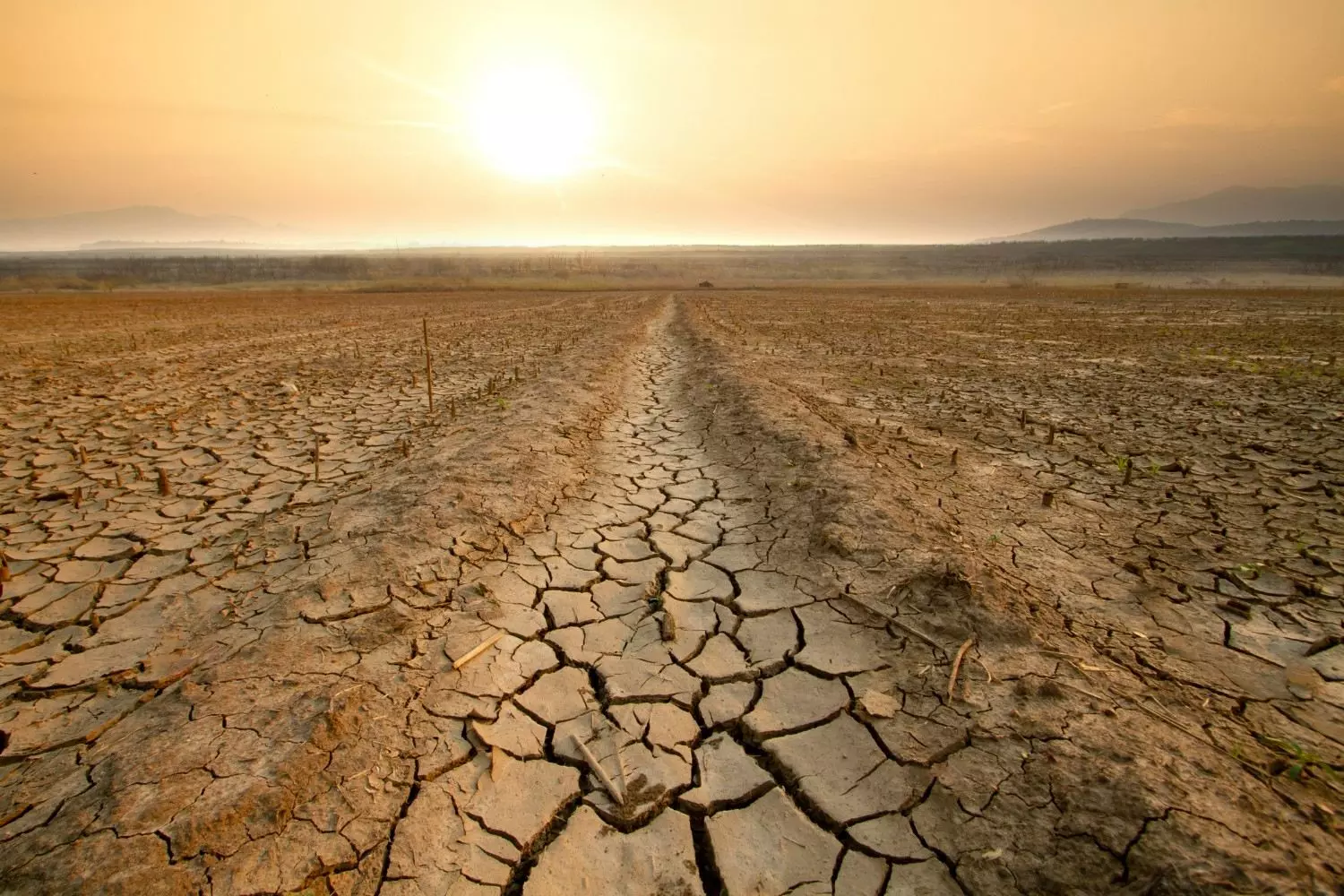
Kurnool district in Rayalaseema is in the grip of a severe agrarian crisis. The monsoon has failed amid El Niño, upending the livelihoods of lakhs of families who depend on rain-fed farming.
With crops withering and debts running into lakhs of rupees, around 10,000 farming families have reportedly already left their villages in search of work. Reports warn that the number could rise to 50,000.
Investments wasted
More than 80 per cent of Kurnool’s farmland in Andhra Pradesh depends on monsoon rainfall. Encouraged by early showers in June, farmers sowed rain-fed crops such as cotton, red gram and castor, spending Rs 25,000 to Rs 35,000 per acre on land preparation, seeds and fertiliser.
Also read: Liquor sales shoot up in Rayalaseema; high demand for beer
The rains then failed in July and August, and the crops dried up. Farmers estimate their losses at around Rs 50,000 per acre.
Some tried to save their crops by drilling borewells 800 to 1,000 feet deep, but found little groundwater. Higher electricity bills and mounting debt have deepened their distress. The western divisions, including Adoni, Yemmiganur and Pattikonda, are the worst affected.
Exodus from 12 mandals
Small and marginal farmers and agricultural labourers are leaving 12 severely affected mandals: Adoni, Pattikonda, Aspari, Nandavaram, Kosigi, Chippagiri, Kowthalam, Yemmiganur, C. Belagal, Kodumur, Mantralayam and Alur.
With local work scarce, they are travelling by hired auto-rickshaws, APSRTC buses and trains to Hyderabad, Bengaluru, Vijayawada, Guntur, Chennai, Ballari and Delhi. There they find jobs as construction workers, factory labourers and daily-wage farm hands.
Dispute over drought list
The state included only 15 of Kurnool’s 27 mandals in the first phase of its Kharif drought list.
District Collector A. Siri said rainfall deficits of 56 per cent in July and 57 per cent in August had been recorded. She explained that differences in drought-hit areas stem from official assessment criteria, which also consider vegetation, groundwater levels and soil moisture.
Also read: How Ganesh idols on a dry Andhra riverbed reflect southern India’s water crisis
Farmers and agricultural organisations say drought conditions prevail in all 27 mandals. They fear that those left off the list will miss out on relief, including input subsidies, crop insurance, loan restructuring, interest concessions and subsidised fodder.
Questions over rural job guarantee
Villagers also complain of slow implementation of the Mahatma Gandhi National Rural Employment Guarantee Scheme (MGNREGA) (Viksit Bharat–Guarantee for Rozgar and Ajeevika Mission (Gramin) (VB–G RAM G)). They say the daily wage of Rs 260.38 cannot cover rising living costs.
Official figures show that only 3.24 lakh of the district’s 4.64 lakh job cardholders are active. I. Narasimha Reddy, Project Director of the District Water Management Agency, says the administration is ready to provide work to all eligible workers. On the ground, however, the situation remains grim.
For thousands of Kurnool’s farming families, the crisis is no longer only about failed crops and mounting debts. It has become a struggle for survival.
(This article was originally published in The Federal Andhra Pradesh)